Helping children learn to speak to others with kindness and respect is a foundational social skill—and it doesn’t always come naturally. From remembering to say “please” and “thank you” to knowing how to greet someone, ask a question politely, or respond when they feel upset, kids benefit from clear examples and repeated modeling.
This collection of picture books supports a wide range of respectful communication skills:
Using polite language
Knowing when (and how) to interrupt
Listening without hurting others’ feelings
Saying hello and starting conversations
Choosing kind words—even when emotions are big
Whether you’re teaching students how to navigate social anxiety, speak up in unfamiliar situations, or simply take turns in conversation, these books offer engaging stories and approachable lessons. Many include helpful tips for adults, making them a useful resource for the classroom, home, or counseling setting.
For some of the books on this website, I have created interactive read-alouds to enrich their use in the classroom. These interactive read-alouds include discussion questions, activities, and prompts that engage students and deepen their understanding of the book’s themes. More interactive read-alouds are on the way. If there are specific books for which you would like to see a read-aloud created, please contact me using the form at the bottom of the page.
To learn more about supporting social-emotional learning and using interactive read-alouds in the classroom, check out these posts:
(As an Amazon affiliate, I earn a small commission if you purchase products through the links on my posts. Thank you for your support!)
Summary:
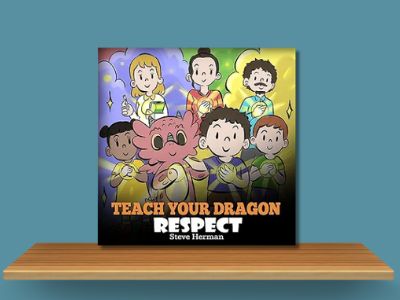
This story follows a child and his dragon, Diggory Doo, who knows how to do many impressive things but struggles with being respectful. The dragon interrupts others, ignores rules, and behaves in ways that affect people around him at home, at school, and in the community. Through guidance and clear examples, the child teaches the dragon what respect looks like and how to show it in different situations.
Description:This book focuses on teaching respect in a very direct and concrete way. It walks through common everyday situations—listening to others, following rules, and being mindful in shared spaces—so children can clearly see what respectful and disrespectful behavior look like. It also expands the idea of respect beyond people to include places and things, which helps build a more complete understanding of the concept. The repetitive structure and clear examples make it especially useful for younger children, while still being appropriate for older elementary students who are continuing to work on these skills.
Reviews and Considerations: This book is part of a popular series that many parents, teachers, and therapists use to teach social and emotional skills. Reviews consistently highlight that it is engaging, easy to understand, and effective for younger children, particularly ages 4–6, while also being useful for older elementary students who need continued support with respectful behavior. It is often used in classrooms and therapy settings to support behavior discussions. However, this is more of a teaching-focused book than a traditional story. The message is very direct, and the structure is built around examples and instruction rather than a strong narrative arc. For some students, this clarity is helpful. For others, it may feel less engaging than a story-driven book.

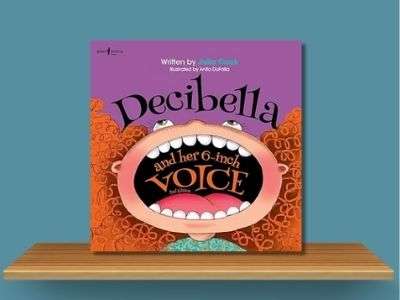
Summary: Decibella is a lively, loud child who hasn’t quite figured out how (or when) to lower her voice. She shouts in the classroom, bellows at the library, and booms in the movie theater. But when her teacher introduces the concept of voice levels—ranging from a whisper to an outside voice—Decibella learns that being heard doesn’t always mean being loud. With some fun language and a little practice, she begins to use her “6-inch voice” and understand how to match her volume to the setting.
Description: This playful, practical book introduces five voice levels (Whisper, 6-Inch, Table Talk, Strong Speaker, and Outside) in a way that young kids can understand and apply. It’s especially helpful for children who struggle with volume control, whether due to excitement, impulsivity, or social communication needs. The revised edition includes more inclusive language and updated examples. At the end, there’s a helpful guide for parents and educators that includes concrete teaching strategies and reinforcement ideas. Decibella and Her 6-Inch Voice is ideal for classroom management, small group SEL lessons, or one-on-one support.
Reviews and Considerations: This book is widely praised by teachers, counselors, and parents alike for its fun and effective approach to teaching voice regulation. Reviewers note that children enjoy the character and often begin using the voice level vocabulary in real life. While a few mention that the book runs a bit long for younger audiences, many find it engaging and easy to adapt. It’s especially popular in classrooms with PBIS or social-emotional learning goals, and educators often pair it with voice level charts and follow-up activities. A great tool for anyone working with kids who need support with volume control.
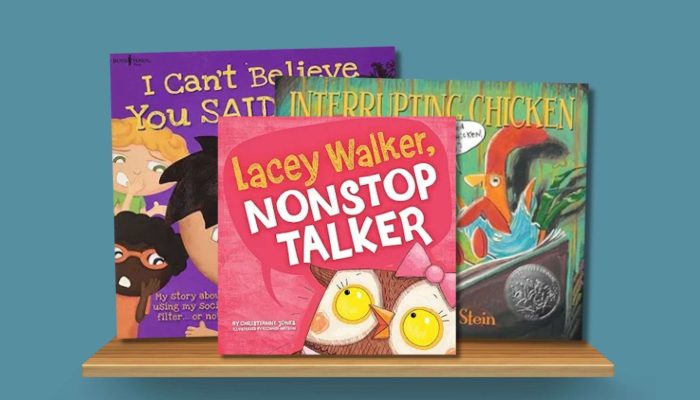
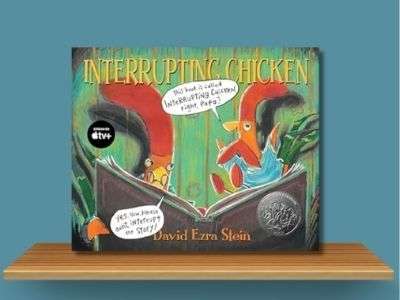
Summary: Papa just wants to get through one bedtime story—but Little Red Chicken has other plans. Every time Papa reads a fairy tale, Little Chicken jumps in with a loud interruption to stop something bad from happening. She saves Hansel and Gretel from the witch, warns Little Red Riding Hood about the wolf, and keeps Chicken Little from panicking. Papa becomes more and more exasperated… until he hands the storytelling reins over to Chicken. But can Papa keep quiet while she tells the story?
Description: This Caldecott Honor book is a laugh-out-loud bedtime favorite that shines a light on impulsivity and listening skills in a way young children can relate to. Rather than scolding, it uses humor and storytelling to show how excitement (and a desire to help) can sometimes lead to interruptions. The story also gently models turn-taking and perspective-taking, while celebrating imagination and child-led storytelling. Teachers and parents alike will appreciate the clever twist and expressive illustrations that keep readers engaged from start to finish.
Reviews and Considerations: Interrupting Chicken continues to be a hit with kids, parents, and teachers alike. Many educators use it to start discussions about listening, manners, or self-control, especially in early elementary classrooms. Several reviewers note how easy it is to act out the story during read-alouds, making it a favorite for repeated readings. Some highlight the story’s deeper themes—such as compassion and creativity—while others simply love how much it makes kids laugh. Whether used for a manners unit or just for fun, this book has lasting read-aloud appeal.
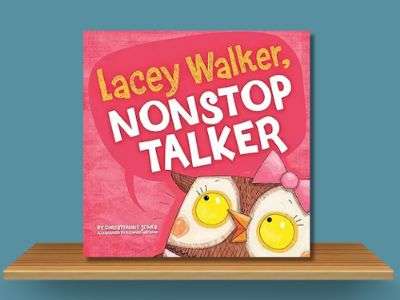
Summary: Lacey Walker loves to talk. She talks at breakfast, she talks at school, and she even talks when she’s supposed to be sleeping. But one day, Lacey wakes up to find that she’s lost her voice—and with it, the ability to talk nonstop. As she goes through her day in silence, she begins to notice things she’s never paid attention to before. By the time her voice returns, Lacey has a whole new appreciation for listening.
Description: This playful story delivers a clear and relatable message about the importance of listening. Lacey’s chatterbox personality makes her instantly recognizable to many students—and her journey toward self-awareness offers a natural opening for classroom discussions about social awareness and self-regulation. Rather than punishing or shaming Lacey, the book uses humor and curiosity to show how listening can lead to deeper connections and valuable discoveries. The animal characters and bold illustrations make it especially engaging for PreK through second grade.
Reviews and Considerations: Educators frequently use Lacey Walker, Nonstop Talker at the start of the school year to set expectations around classroom behavior. Many reviews highlight how easy it is for young children to relate to Lacey, and how the book sparks conversations about balancing speaking and listening. Parents also note that their talkative children enjoy the story without feeling criticized. While some readers wish the lesson were more subtle, most appreciate its effectiveness in teaching a tricky skill. This book is especially helpful for students who need a gentle reminder that listening is just as important as having something to say.
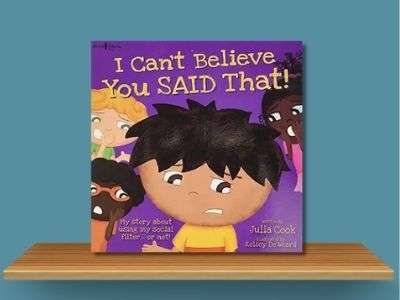
Summary: RJ is a well-meaning kid who says exactly what he’s thinking—whether or not it’s appropriate. From pointing out his grandma’s age spots to critiquing his sister’s cooking, RJ blurts out every thought without a second’s pause. When his parents introduce him to the concept of a “social filter,” RJ learns an important lesson: just because something pops into your head doesn’t mean it needs to come out of your mouth.
Description: This book takes on a tricky but essential skill—impulse control and social awareness when speaking. With bright illustrations and exaggerated situations, I Can’t Believe You Said That! helps kids understand the difference between internal thoughts and words that are okay to say out loud. The visual of a “social filter” is a concrete way to explain a complex social-emotional concept, making it especially effective for students who struggle with blurting or tact. The book includes strategies for adults to reinforce the skill and is part of the Boys Town Education Model®, which is widely used in classrooms and counseling settings.
Reviews and Considerations: Many educators and parents praise this book for its straightforward approach to teaching students how to think before they speak. It’s especially popular among school counselors, SLPs, and teachers working with students who have ADHD or social skills challenges. Some reviewers find the language or examples a bit strong for younger or neurodivergent learners, but most agree it sparks valuable conversations. RJ’s blunt honesty is relatable and engaging, and the recurring references to “thinking bubbles” and “talking bubbles” give kids a memorable framework to revisit long after the story ends.
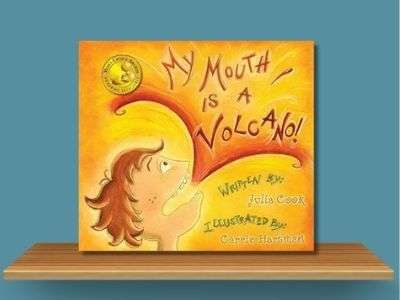
Summary: Louis has a big problem—he can’t stop interrupting. Every time he has something to say, it bubbles up inside him until it erupts right out of his mouth, like a volcano! But when his own words start getting interrupted by others, Louis realizes how frustrating it can be. With the help of his mom, he learns a strategy for managing his thoughts and waiting his turn to speak.
Description: Told through Louis’s energetic voice and vivid imagination, My Mouth Is a Volcano! takes a relatable and often disruptive classroom behavior—interrupting—and turns it into a teachable moment. Julia Cook blends humor with a simple strategy to help children visualize what’s happening inside when they’re tempted to blurt. The metaphor of a “mouth volcano” resonates with kids, giving them a concrete image for self-awareness and impulse control. It’s a favorite among teachers, counselors, and parents for reinforcing respectful communication.
Reviews and Considerations: This book is consistently praised for its ability to reach kids who struggle with impulsive speaking. Educators love using it to spark discussions about respectful conversation habits, while parents find it helpful for encouraging kids to think before they speak. Many reviewers mention how well children relate to Louis—and how they begin to recognize their own behavior in his story. Some readers note that the rhythm and repetition make it engaging, though a few feel the style can overshadow the message if taken too literally. Overall, it’s a highly effective tool for building social awareness in a way that’s both memorable and fun.
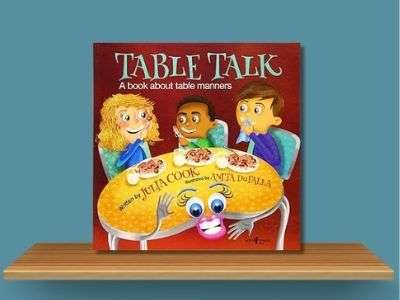
Summary: In this creative take on manners, the dining table itself is the narrator—and it has a lot to say about the behavior it sees at mealtime. From sticky fingers and loud chewing to device distractions and messy eating, the Table is fed up with the chaos. Through humorous rhymes and expressive illustrations, kids are reminded how respectful table manners show care not just for others, but also for the shared space and time spent together.
Description: Table Talk is a practical, engaging way to teach children the importance of good manners during meals. Rather than following a single character through a story, this book serves as a playful guide, presenting specific do’s and don’ts in a way that’s easy to understand and remember. With exaggerated reactions from the personified Table, kids get a lighthearted yet clear message: mealtime isn’t just about food—it’s about connection, courtesy, and consideration. This title is part of Julia Cook’s Building Relationships series and includes helpful tips for adults at the end.
Reviews and Considerations: Educators and parents appreciate how this book brings humor to a topic that can often lead to nagging or power struggles. The diverse illustrations and relatable examples make it a great choice for home or classroom settings. Some readers find the mix of rhyming and non-rhyming pages a little awkward, but most agree that the message lands well—especially with younger audiences. Teachers love referencing it in the cafeteria, and many families report better mealtime behavior after adding Table Talk to their read-aloud routine. It’s especially helpful for visual learners and children who benefit from concrete examples of expected behaviors.
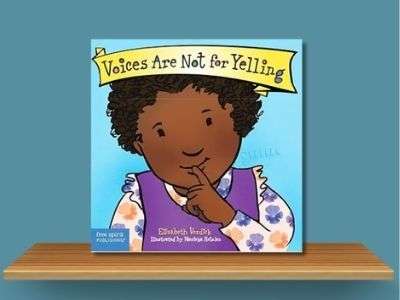
Summary: Voices Are Not for Yelling is a helpful board book that teaches toddlers and preschoolers the difference between using loud voices and calm ones. It gently explains that yelling is a normal part of growing up, especially when feelings get big—but it also offers children clear, simple tools for calming down, using their words, and asking for help. With positive phrasing and colorful illustrations, the book encourages children to recognize when they’re yelling and learn what they can do instead.
Description: Part of the popular Best Behavior series, this title stands out for how directly it supports emotional regulation in young children. The language is developmentally appropriate and concrete, making it especially useful for toddlers, preschoolers, and even children with communication delays. The book offers alternatives to yelling—like taking deep breaths or saying how you feel—and ends with a sweet reminder of all the good things voices are for, such as saying “I love you.” A bilingual English–Spanish edition is also available, and every copy includes caregiver tips to support continued learning at home or in the classroom.
Reviews and Considerations: This book is widely praised by parents, teachers, and daycare providers for being both practical and reassuring. Many families use it as a consistent reference point—especially during meltdowns or transitions—and appreciate how it helps build shared language around yelling and calming down. While it may not instantly solve the problem (as several reviewers humorously admit), it becomes a tool that children refer back to over time. Educators love the inclusion of concrete strategies and note that it supports both classroom expectations and home routines. The diverse illustrations and sturdy board book format make it accessible, engaging, and easy to revisit again and again.
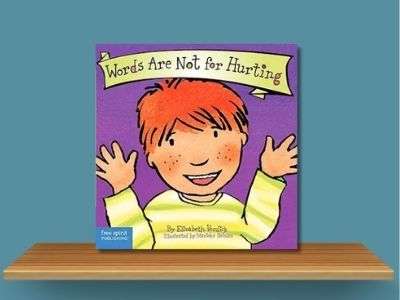
Summary: This gentle, straightforward picture book teaches young children that their words have power—and that they can use that power for kindness. The story models how to think before speaking, how to make amends when words cause hurt, and how to choose words that help rather than harm. Readers learn not just what not to say, but how to express themselves in ways that are respectful and caring.
Description: Part of the popular Best Behavior series, Words Are Not for Hurting uses simple sentences and clear examples to guide children toward using kind language. It encourages reflection by helping kids notice how words affect others and offers steps to repair relationships when hurtful things are said. With age-appropriate strategies and diverse illustrations, this book supports early social-emotional development in classrooms, counseling settings, and at home. As with other titles in the series, it also includes practical caregiver tips to extend the learning beyond the page.
Reviews and Considerations: Many parents, teachers, and therapists praise this book for its accessibility and impact—especially for young children, autistic students, or those struggling with emotional regulation. Reviewers note that it opens up important conversations without being preachy or overwhelming. Some parents do choose to skip the page that gives examples of hurtful words, especially with very young or highly verbal children, but most agree the book is a valuable tool for teaching empathy, self-control, and repair. Like others in the series, it’s often described as a must-have for any social skills library.
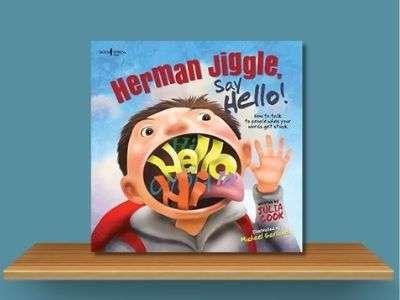
Summary: Herman Jiggle wants to make new friends—but first, he has to find the courage to say hello. When anxiety takes over and his words get tangled, Herman’s mom gently teaches him how to introduce himself and start a conversation. With humor, heart, and a few social stumbles, Herman learns that while making a good impression matters, being yourself matters even more.
Description: This story is a relatable and encouraging read for any child who feels shy or unsure in social situations. Julia Cook addresses social anxiety in a way that’s accessible and lighthearted, offering specific strategies like smiling, breathing, and practicing what to say. The engaging illustrations add warmth and humor, making it easy for kids to connect with Herman’s challenges and triumphs. The book also includes tips for adults to support children who struggle with initiating conversations or interacting with peers. It’s especially useful for counselors, teachers, and caregivers working with students in PreK through 4th grade.
Reviews and Considerations: Educators and parents appreciate how this book gives language and strategies to kids who often freeze up in social settings. Readers love the empathy behind Herman’s experience and how the story reassures children that they’re not alone in their struggles. Some reviews note that the repeated emphasis on “making a good impression” might feel like extra pressure to some children, but overall, the message is clear and helpful: your words matter, and you can learn to use them with confidence. A standout in the Socially Skilled Kids series, Herman Jiggle, Say Hello! is a valuable read-aloud for classrooms and counseling groups alike.
Sign up now to receive a Quick Start Guide to Children’s Books for Behavior and SEL Needs.
This practical guide will help you quickly match common classroom challenges with picture books that actually support behavior, social-emotional learning, and student growth.
By signing up, you’ll also join my newsletter, where you’ll receive:
Targeted strategies for addressing specific behavior and SEL concerns in your classroom
Weekly emails that pair a behavior/SEL skill with books — one week you’ll get strategies, the next week a curated list of picture books on the same topic.
Time-saving tools and ideas you can use right away to support students’ behavior, emotions, and peer relationships
This guide takes the guesswork out of finding the right book for the right moment.
Join our community of educators who are committed to using books, relationships, and evidence-based strategies to support students’ behavior and social-emotional growth in the classroom.