Whether it’s raising a hand to answer a question, starting a new academic task, joining a group, or trying a new activity in PE or art, many students feel real fear when faced with something unfamiliar. For some, that fear shows up as refusal. For others, it looks like perfectionism, quitting quickly, acting silly, or pretending they don’t care at all.
Teachers see this across grade levels. I’ve worked with students from preschool through high school, and fear of embarrassment or fear of failure shows up in every age group. Some students avoid because they are worried about making mistakes. Others avoid because they don’t want to stand out. And some cope by becoming the class clown so no one notices how nervous they actually feel.
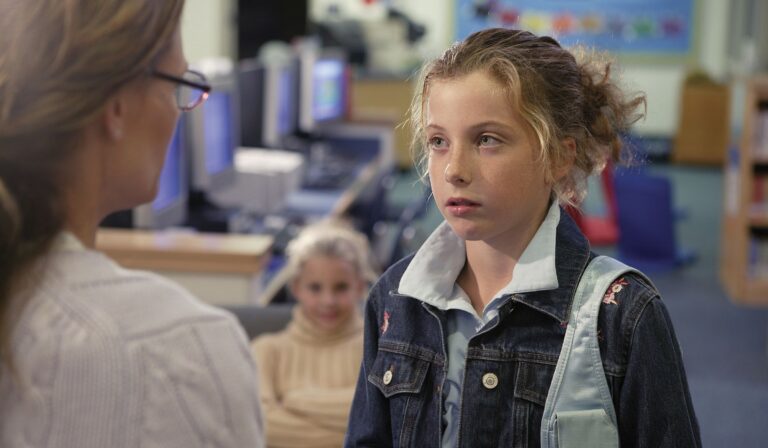
It can be tempting to think students are making a big deal out of nothing, especially when the situation doesn’t seem dangerous. But for many children, fear of trying new things feels very real in their bodies, even when there is no physical threat. Understanding that difference is key to responding in ways that actually help students move forward.
Learning to try new things is not just about confidence. It is a skill that can be taught, supported, and practiced over time.

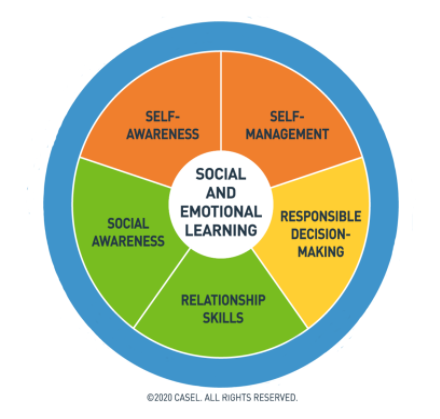
Fear of trying new things is not just an emotional issue — it touches multiple social-emotional skill areas. When students avoid new tasks, shut down, or refuse to participate, they are often struggling in more than one of the CASEL 5 competency areas at the same time.
Students who are afraid to try new things often experience strong physical and emotional reactions, including:
However, many students do not yet have the language to explain what they are feeling. Instead of saying, “I’m nervous,” they may say:
Teaching students to recognize and name nervousness, frustration, or fear is an important first step. When students understand that discomfort is part of learning, they are better able to tolerate it and keep going.
Trying something new requires students to manage uncomfortable feelings long enough to engage in the task. This includes:
For students with high anxiety or low frustration tolerance, these skills may still be developing. Without support, avoidance can become the default coping strategy. Teaching structured ways to pause, breathe, ask for help, or take short breaks allows students to stay engaged without becoming overwhelmed.
Fear often increases when students are focused on how others might react. Students may worry about:
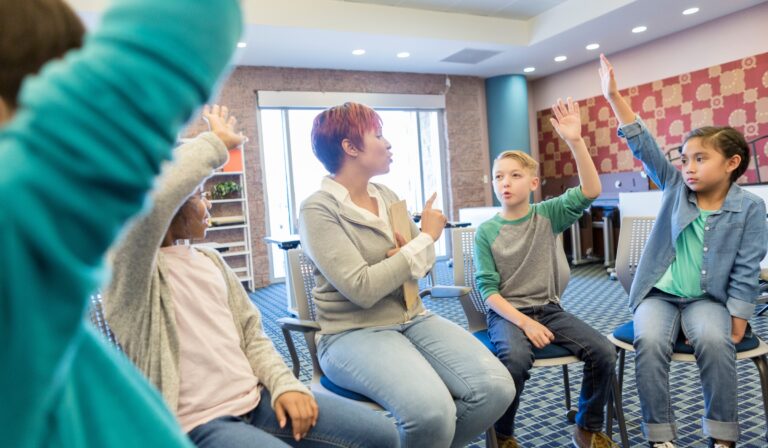
Activities that involve speaking, performing, or working in groups can feel especially risky for students who are sensitive to embarrassment or judgment. Building classroom norms around effort, respectful responses, and learning from mistakes helps reduce the social pressure that keeps students from trying.
When students face a new or challenging task, they are constantly making choices about whether to try or avoid it. Avoidance brings short-term emotional relief, but it also prevents learning and confidence from building.
Students benefit from learning how to think through choices such as:
These kinds of reflections support students in learning that discomfort does not always mean danger, and that effort can lead to improvement over time.
Trying new things often involves working with partners, participating in groups, or asking adults for help. Students are more willing to take risks when they trust that:
Teaching students how to ask for help, collaborate with others, and respond kindly when classmates struggle strengthens classroom relationships and makes risk-taking feel safer.
To learn more about the CASEL 5 Social-Emotional Competencies, read this blog post. You can also visit their site here.
Learning requires risk. Students are constantly asked to attempt new skills, apply unfamiliar strategies, and think in ways they have not practiced before. When students learn that avoiding challenge is the safest option, they miss opportunities to grow.
Teaching students that effort matters more than perfection helps them approach learning with curiosity instead of fear. Over time, they become more willing to engage, even when they are unsure, because they have learned that mistakes are part of the process rather than something to be embarrassed by.
Trying new things also affects how students participate socially. Group work, class discussions, presentations, and games all require some level of risk. Students who consistently avoid these situations may struggle to build friendships or feel comfortable in peer settings. When students learn how to tolerate nervousness and take small social risks, they are more likely to join activities, speak up, and interact with classmates. These experiences build social confidence gradually and help students feel more connected at school.
Avoidance can feel helpful in the moment because it reduces anxiety quickly. But when students repeatedly escape situations that make them uncomfortable, their brains learn that avoiding is the best way to cope. Over time, fear can grow instead of shrink.
Teaching students to approach challenges in small, supported steps helps interrupt this cycle. Instead of avoiding, students learn that they can handle discomfort and that it does not last forever.
Students who are afraid to try new things often need help learning how to ask for support in productive ways. When students can request help, more time, or a short break, they are less likely to shut down or refuse altogether. These self-advocacy skills become increasingly important as students move into higher grades, where expectations grow and adult support becomes less immediate.

Sometimes adults assume that students are worried about “nothing” because the classroom situation does not involve physical danger. But for many students, anxiety activates the same fear response in the body that would occur if there were actual threat.
When the brain’s fear system is triggered, students may experience racing heart, tight muscles, upset stomach, or an intense urge to escape. Even though the task may simply be reading aloud or starting an assignment, their nervous system is responding as if something dangerous is happening. This is why telling students to “just try” or “it’s not a big deal” often does not help. Minimizing fear does not calm the nervous system or teach coping skills. What helps is reducing the sense of threat and teaching students how to move forward in manageable ways.
Many students believe that if something feels hard, it means they are bad at it. This belief can make them avoid trying at all.
I often remind students that feeling unsure is part of learning. If something were easy right away, it would not be new. Phrases like:
can help to reframe discomfort as a normal and expected part of growth. It can also be powerful to remind students of things they used to find scary or difficult that now feel easy. This helps them see that fear does not stay the same forever.
For many students, the fear is not about the task itself but about doing it in front of others. When students worry about being watched, judged, or corrected publicly, their anxiety increases. Reducing social pressure can make trying feel safer. This might mean allowing students to practice privately before sharing, modeling the task first so students know what it should look like, or letting students try with a partner before whole-group participation. For some students, simply knowing they will not be called on unexpectedly lowers anxiety enough for them to engage.
Large or open-ended tasks can feel overwhelming and lead to immediate shutdown. When students do not know where to start, avoidance often feels easier than trying. Breaking tasks into smaller steps helps students get started, but it should always be paired with gradually increasing expectations. The goal is not to permanently reduce the amount of work, but to build stamina and confidence over time.
This might look like:
Once students show they understand what to do, expectations should increase. Over time, they work longer and complete more independently.
Just as important as the structure is the feedback that follows. Specific praise helps students connect effort to success:
Brief reflection helps students notice that trying leads to improvement, which reduces fear the next time they face a new task.
Uncertainty increases anxiety. When students do not know what is coming next or what is expected, fear can escalate quickly. Visual supports reduce that uncertainty. These might include:
Some students also benefit from visual signals to request help or breaks without drawing attention to themselves, such as:
Knowing what is coming and how to get support makes starting feel safer.
Some students avoid tasks because they do not know how to ask for help or what to do when they feel overwhelmed. Teaching self-advocacy gives students tools other than avoidance.
Students benefit from learning how to say things like:
For students who feel embarrassed speaking up, visual options may feel safer at first. Over time, many students become more comfortable using verbal requests as confidence grows.
Breaks should be brief and paired with a plan to return, so students learn regulation without reinforcing avoidance.
Deciding whether to encourage a student to keep going or to pause and regroup depends on knowing the student well. Some students benefit from gentle encouragement to try one more step. Others reach a point where continuing will only lead to escalation, frustration, or shutdown.
I once worked with a first grader who struggled with extreme perfectionism. If something did not go exactly right, he would tear up his paper in frustration. For a period of time, whenever he began to show signs of rising stress, we would quietly move the paper away before he reached the point of ripping it. This allowed him to complete work without having to redo it and helped him build tolerance for mistakes.
Stopping before things fall apart can protect a student’s willingness to try again later.
Students who are learning to manage fear need consistent responses from the adults around them.
I once had a student who was making progress with gradual encouragement and supportive strategies. When another adult entered the situation and pushed him to participate before he was ready, the pressure led to a major behavioral blow-up. The mixed messages made it harder for him to feel safe trying again.
When teachers, paras, and support staff share the same approach, students build trust and confidence more quickly.
Avoidance, refusal, and acting out can appear purposeful, especially when lessons need to keep moving. But many times, fear of failure is driving the behavior. When anxiety is mistaken for defiance, adults may respond with pressure instead of support. Unfortunately, pressure often increases fear and leads to more avoidance. Taking time to understand what is behind the behavior helps adults choose strategies that address the root cause instead of just the surface behavior.
Interactive read-alouds are one of the safest ways to talk about fear and bravery because students can discuss characters instead of themselves.
A book like Jabari Jumps works especially well because Jabari already knows how to swim, yet still feels nervous about jumping from the diving board. This opens the door to discussing how fear can show up even when we are capable and prepared.
During reading, teachers can pause to ask:
These discussions build shared language that teachers can later reference when students face new challenges in class.
Next week’s post will share a curated list of picture books that specifically support bravery and trying new things, making it easier to reinforce this skill in meaningful and age-appropriate ways.

Purpose:
To help students understand that bravery can happen in small steps and that progress is gradual.
How It Works:
Choose a common classroom challenge, such as reading aloud, starting independent work, or speaking in groups. As a class, brainstorm ways to approach it from easiest to hardest.
Create a ladder together showing:
Discuss how students do not have to jump to the top of the ladder right away.
Teaching Point:
Trying new things does not mean doing the hardest version first.
Reflection:
Students identify which step they feel ready to try and what might help them move up later.
Purpose:
To practice supportive thinking and problem-solving around fear.
How It Works:
After reading Jabari Jumps or another book about trying new things, ask students to give advice to the character before the big moment.
Prompt options:
Younger students can draw and dictate. Older students can write full responses.
Teaching Point:
Students practice language they can later use with themselves.
Purpose:
To help students recognize that feelings often change after trying.
How It Works:
Have students think of something they were nervous to try but did anyway. Students complete:
This can be done after a presentation, new activity, or challenging lesson.
Teaching Point:
Fear does not always last as long as we expect.
Purpose:
To build awareness of effort and growth over time.
How It Works:
At the end of certain lessons, students respond to short reflection prompts:
Younger students can respond verbally or with pictures.
Teaching Point:
Effort and persistence are worth noticing, even when work is not perfect.
Purpose:
To practice problem-solving around fear without putting students on the spot.
How It Works:
Present fictional situations:
Discuss:
Teaching Point:
Students learn strategies in low-risk conversations before they need them in real situations.
Avoid forcing participation when a student is clearly overwhelmed. Avoid public pressure, sarcasm, or comparisons to more confident peers. Avoid assuming avoidance means laziness or lack of effort without first considering anxiety. These approaches may stop behavior temporarily, but they often increase fear and reduce future willingness to try.
For many students, trying new things is genuinely hard. Fear of failure can feel real and intense, even when there is no physical danger. When teachers understand that fear and treat bravery as a skill that can be taught, their responses shift from pressure to support. With clear strategies, patience, and consistent expectations, students can learn to tolerate discomfort, build confidence, and take small steps toward growth. Progress may be gradual, but every attempt matters.
Helping students try new things is not about eliminating fear. It is about teaching them that they can move forward even when fear is present—and that they are supported while they learn how.
Trying something unfamiliar requires more than simply being told to be brave. These books about bravery and trying new things can help students talk about uncertainty, manageable risks, and the support that makes taking a first step feel possible.

Supporting students with diverse needs can feel overwhelming, especially when you’re trying to pinpoint where challenges are really coming from. The Classroom Concerns Checklist helps you organize your observations and identify patterns across areas like cognition, communication, and social-emotional behavior.
By walking through key skill areas in a structured way, this checklist makes it easier to clarify concerns, guide next steps, and have more productive conversations with your team.
Sign up to get instant access and start using the checklist right away.

Support your students’ individual needs with our exclusive Classroom Concerns Checklist.
Identify key concerns in areas like:
…and more to help drive collaboration and problem-solving.
Sign up now to receive instant access and valuable insights on addressing classroom concerns.