Children notice differences long before they have the language to describe them. They see that classmates have distinct interests, backgrounds, learning needs, personalities, and strengths. They may ask questions or make comments simply because they’re curious—not because they intend to be unkind. These moments are meaningful opportunities to teach children how to respond to differences with empathy, respect, and understanding.
Helping children celebrate our differences lays the foundation for a healthy classroom community. When students learn that every person brings unique qualities to the group, they develop a stronger sense of belonging. They become more comfortable with their own differences and more mindful of how their words and actions affect others. Over time, a classroom where celebrating differences is encouraged becomes a place where students feel safe, valued, and connected.
These observations are a normal part of social development and don’t need to be treated as a problem. With thoughtful guidance, adults can help children make sense of differences in age-appropriate ways while also noticing the many things they share with others. When differences are talked about openly and calmly, they become part of the classroom landscape rather than something that feels uncomfortable or unfamiliar.
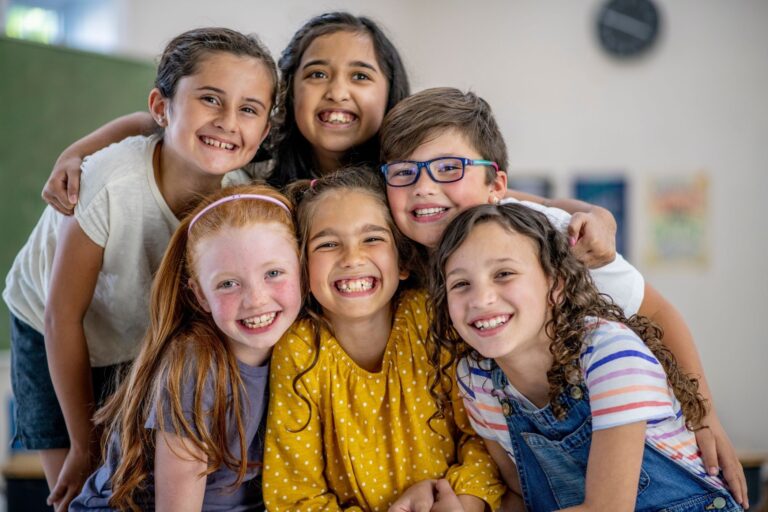
Celebrating differences is an essential social-emotional skill that helps children navigate real-life situations with confidence and compassion. When children understand that classmates may learn, behave, or experience the world differently, they begin to approach others with curiosity rather than judgment. This strengthens empathy, reduces misunderstandings, and contributes to a classroom community where every student feels valued.
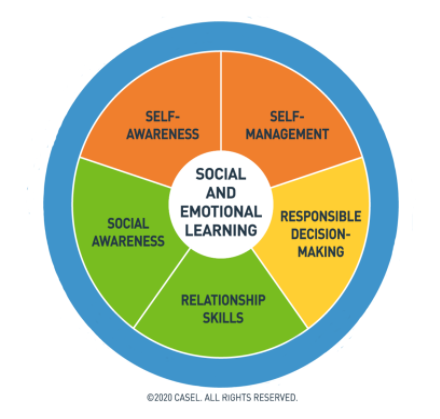
The CASEL 5 Social-Emotional Competencies offer a clear framework for teaching children how to celebrate our differences in age-appropriate ways. These competencies—self-awareness, self-management, social awareness, responsible decision-making, and relationship skills—help children build the mindset and habits they need to treat others with respect. By incorporating these competencies into everyday routines, teachers support students in developing empathy, building meaningful relationships, and navigating complex social situations.
To learn more about the CASEL 5 Social-Emotional Competencies, read this blog post. You can also visit their site here.
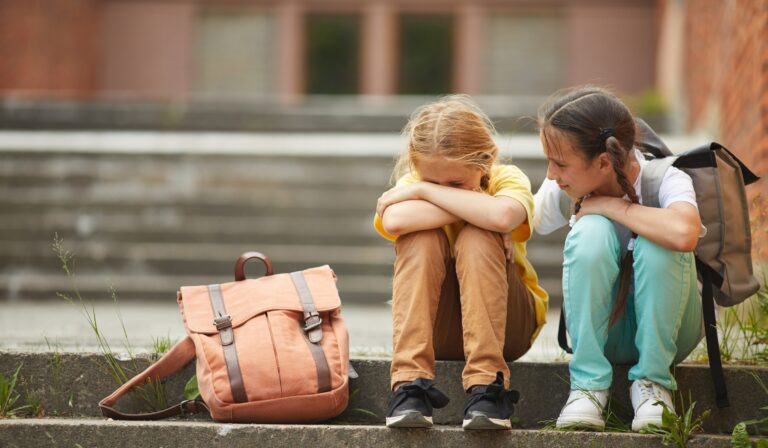
Every child wants to feel like they belong. When a classroom embraces the idea that each student brings something unique and valuable, children feel accepted for who they are. This message is especially important for students who may worry that their strengths, challenges, or home life set them apart. Normalizing differences gives them permission to show up fully and confidently.
For example, a child who relies on learning support tools may initially feel unsure about how those supports are perceived by others. When a classroom culture treats those tools as simply one of many ways students learn, they lose their social weight. That same mindset helps students feel more comfortable with differences in background, communication, or family structure.
Over time, students internalize the message that everyone belongs. They become more willing to participate, try new things, and build friendships with classmates who aren’t just like them. When belonging is prioritized, students feel safer taking academic and social risks, which strengthens both engagement and connection.

When children understand that classmates have unique perspectives, strengths, and struggles, they develop empathy. They learn that not everyone experiences the world in the same way and that kindness often means considering what someone else might be feeling. Celebrating differences encourages students to look beyond themselves and notice the needs of others.
Students begin noticing when a peer is feeling left out or overwhelmed. They may offer a partner during an activity, share materials, or help someone find a needed supply. These small acts of kindness build naturally once children have opportunities to practice social awareness. Talking openly about differences also teaches children to ask respectful questions, listen before responding, and consider how their words might be heard by someone else.
With time, students develop a more nuanced understanding of others. They learn that people may have different preferences, challenges, and strengths—and that these differences make their classroom richer and more interesting.
Collaboration becomes more meaningful when students appreciate the strengths their peers bring to the table. Some children are creative thinkers, others are strong leaders, and others excel at organizing or offering support. When students understand that their classmates think differently, they become more patient and flexible during group work.
Differences enrich classroom discussions and problem-solving. Students encounter new perspectives that deepen their understanding and challenge their assumptions. Instead of becoming frustrated when someone approaches a task differently, students learn to value the variety of strategies and ideas within the group. This reduces conflict and builds mutual respect.
These habits translate into smoother, more productive collaboration. Students learn to explain their thinking, ask clarifying questions, and adjust their approach when needed. Celebrating differences ultimately helps children build stronger, more trusting peer relationships.
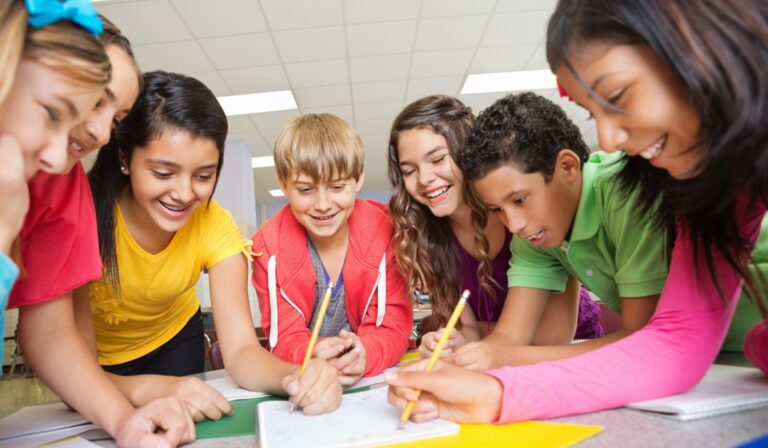
As children become more aware of what makes them unique, they often look to peers and adults to understand whether those differences are acceptable. Celebrating differences sends a clear message: every child has strengths worth recognizing. When students see their classmates appreciate differences, they become more confident in sharing their own interests, abilities, and experiences.
A child who feels self-conscious about their learning pace or personal style may feel more comfortable when they see that classmates respect and accept one another. A student who speaks another language at home or has different traditions may become more willing to participate when they know they won’t be judged. Over time, these experiences help students build resilience, pride, and a stronger sense of identity.
Classrooms that welcome differences encourage students to show who they truly are. This promotes emotional well-being and helps children build the confidence they need to navigate school and social challenges.
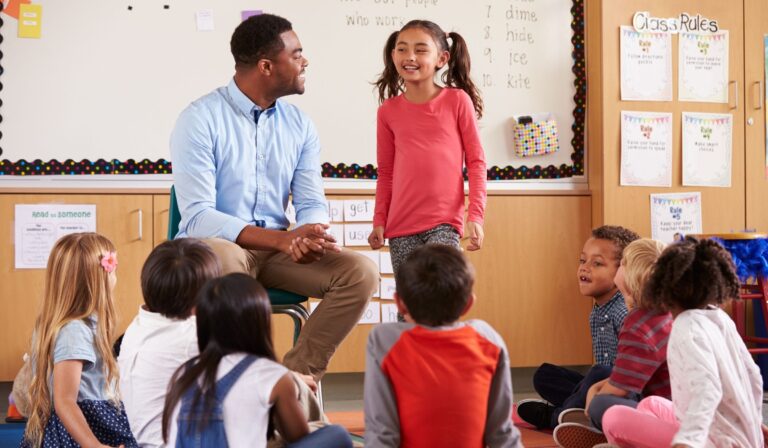
Children often speak before considering the impact of their words. A comment meant as curiosity may come out sounding rude or insensitive simply because they don’t yet understand how language affects others. Teaching children how to talk about differences respectfully helps prevent misunderstandings and protects students’ feelings.
For example, a child may comment on a peer’s appearance or skill level without realizing the comment might hurt someone. When teachers calmly guide students to rephrase their words or consider a kinder approach, children learn how to adjust their language. Over time, they begin to think before speaking and become more intentional about how their words affect others.
Children also learn that some conversations need to happen privately. When they understand that certain comments could embarrass someone or hurt their feelings, they become more thoughtful. In classrooms where kindness is the norm, students are less likely to make insensitive remarks and more likely to support one another.
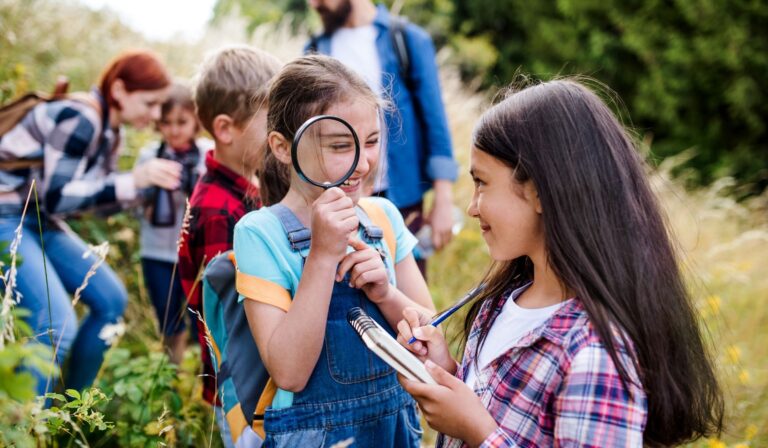
Children ask direct questions because they want to understand the world around them. When they make observations about differences, respond with simple, honest language that explains what they are noticing without adding negative emotion. A calm, straightforward tone shows students that differences are normal and not something to avoid or whisper about.
Clear language also helps children walk away with accurate information, reducing the chance that they fill in gaps with guesses or assumptions. Over time, these small explanations build a strong foundation for understanding and appreciating differences in everyday interactions.
When a child’s wording sounds blunt or awkward, start by uncovering their intention. Many times, a child is trying to understand something but doesn’t yet have the vocabulary to ask kindly. Asking questions like, “What made you wonder about that?” helps clarify what they’re thinking and prevents them from feeling ashamed for being curious.
Once you understand their perspective, you can guide them toward more respectful language. This helps children learn that curiosity is welcome and even encouraged—when expressed in a way that supports kindness and safety.
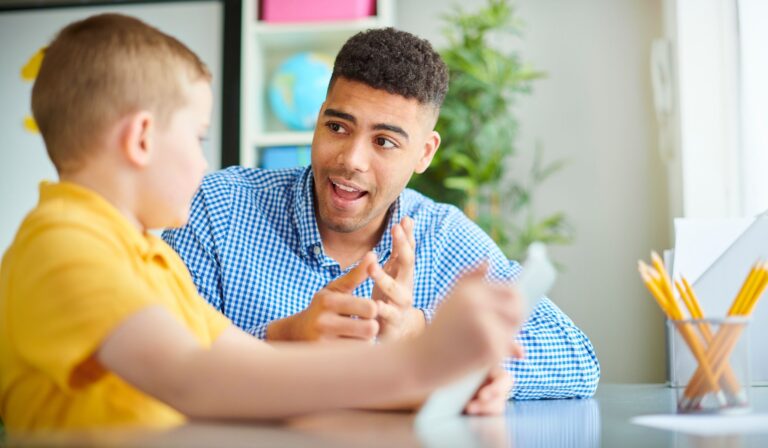
Noticing differences can bring out a variety of emotions for children, including confusion, surprise, or discomfort. Validating these feelings helps them understand that it’s normal to feel unsure when something is unfamiliar. You might say, “It’s okay to feel confused. Let’s talk about it together.”
After acknowledging their feelings, offer a brief explanation that guides them toward empathy and understanding. This steady, warm approach helps children learn emotional regulation while also reinforcing how they should treat others.
Children don’t automatically know how to phrase their observations in a kind, socially appropriate way. They need simple, concrete alternatives that help them speak respectfully. For example, if a child is about to comment on what someone looks like or what someone cannot do, you might help them pause and ask themselves whether their words would make the other person feel safe or included. This moment of reflection teaches them that curiosity isn’t the problem—how they express it can be.
When a student needs help rephrasing their own wording, gently model a kinder way to ask or comment. If a child blurts out, “Why is she doing it that way?” you might guide them to say, “I noticed she’s working differently. Can you explain why?” This type of modeling gives children scripts they can remember and use independently.
Students also need tools for responding when they hear a peer making an unkind or insensitive comment. Short, safe prompts like “Let’s be kind” or “We don’t talk about people that way here” empower students to support one another. When children learn these alternatives, they become more confident intervening in respectful, age-appropriate ways.
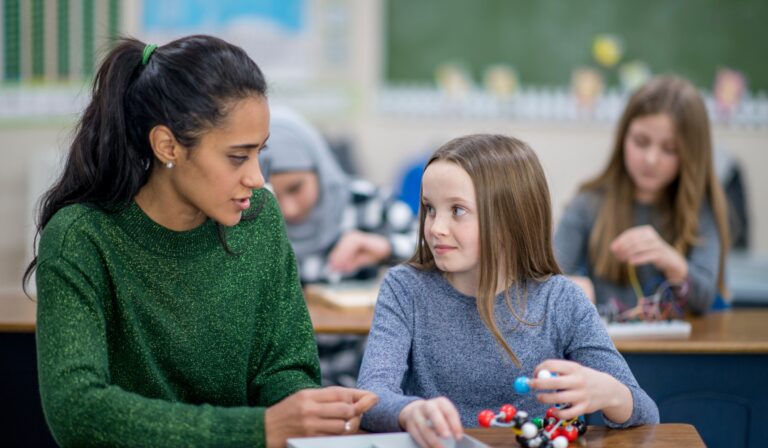
Some comments or questions should not be explored in front of the class. If a child’s words could embarrass someone or hurt their feelings, pause the discussion and make a plan to talk privately. A simple, calm statement such as, “I’ll talk with you about that in a minute,” preserves everyone’s dignity.
During the private conversation, explain why the topic is sensitive and guide the student toward more thoughtful language. This approach helps protect feelings, maintain trust, and give children the individual support they need to understand the impact of their words.
Children feel safer when the expectations for kindness and respect are consistent. Explain regularly how students should speak to and treat one another, and highlight the moments when children show empathy or patience. These small moments of reinforcement help build a positive classroom climate where celebrating differences becomes the norm.
As children see that these expectations apply to everyone, they grow more confident in understanding what respectful behavior looks like—and they’re more likely to demonstrate it independently.
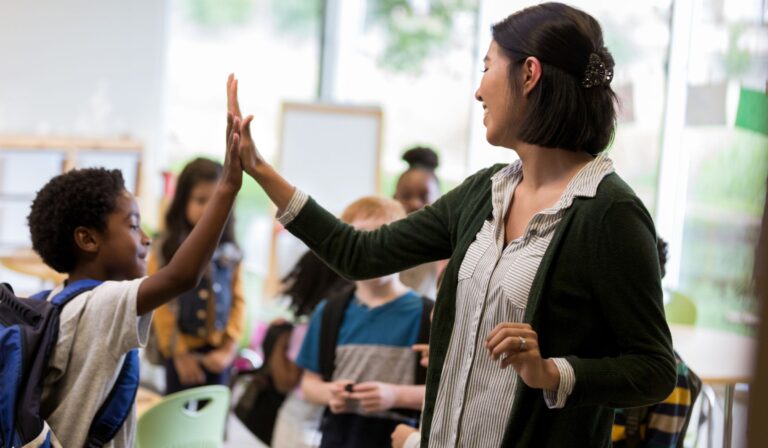
Students notice how adults respond to differences. When teachers model inclusivity through their tone, language, classroom routines, and interactions, children learn what it looks like to treat others with respect. This may include greeting every student warmly, showing interest in each child’s ideas, or demonstrating patience when someone needs extra time.
By modeling these behaviors consistently, teachers show that celebrating differences isn’t just a lesson—it’s a classroom value. Students quickly begin to mirror that same acceptance in their own actions.
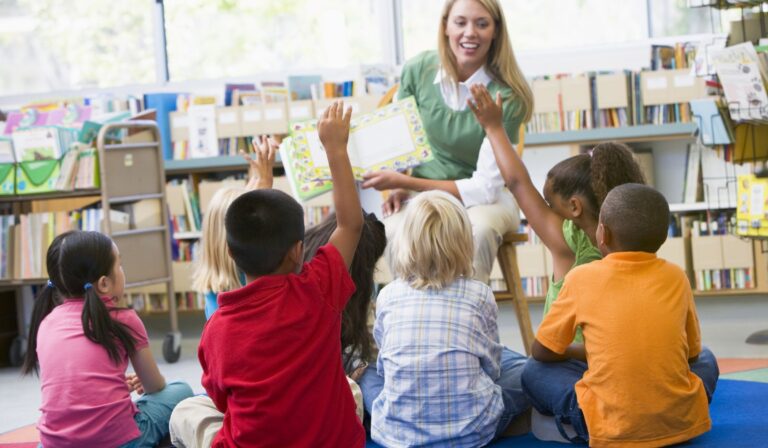
Reading aloud is one of the most effective ways to help children explore differences in a safe, structured, and engaging way. Stories offer emotional distance, allowing students to think deeply without putting any individual child in an uncomfortable or vulnerable position. When characters experience challenges, misunderstandings, or moments of feeling different, students naturally begin to reflect on how they treat others.
A wonderful anchor text for this topic is The Crayon Box That Talked by Shane DeRolf. Its simple metaphor—each crayon bringing something special to the picture—helps students see the value in every person’s unique qualities. After reading, you might ask students what the story suggests about how to treat others who act, think, or learn differently from them. These conversations often unfold naturally when grounded in a shared story.
Next week’s post will include a curated list of picture books focused on celebrating our differences. The list will include a wide range of titles—from stories told through the eyes of children who feel different to stories about classmates learning how to welcome and understand others. This upcoming collection will give teachers and parents even more tools to support thoughtful, meaningful conversations in the classroom.
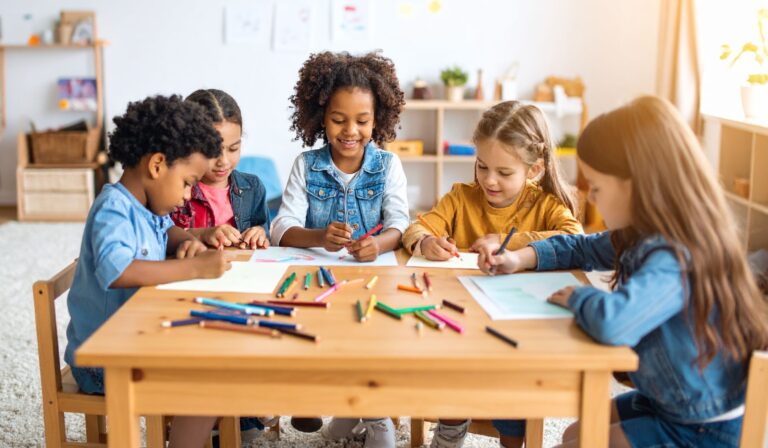
Children often need structure to express themselves visually, and this drawing activity helps them explore what makes them unique in a safe and developmentally appropriate way. Begin by explaining that everyone has things they enjoy, things they’re good at, and parts of their personality that help shape who they are. These differences are what make our classroom interesting and special. Students aren’t asked to reveal anything too personal or sensitive—just everyday preferences and interests.
To support students who struggle to generate ideas, provide a few gentle, open-ended prompts. You might guide them to draw something they like to do for fun, a food they enjoy, a place they like to spend time, a hobby or skill they are proud of, a type of music, game, or activity they love, or something that represents a part of their personality such as being curious, creative, or thoughtful. Model the process by sketching a few simple pictures about yourself on the board. Keep your examples light and approachable.
Once students finish, invite them to share if they feel comfortable. Encourage the class to notice both similarities and differences in the drawings. Point out that everyone has things in common and things that make them unique—and that both are completely normal. As an optional extension, teachers may choose to arrange the drawings into a class “quilt” on the wall. When displayed together, the pages create a visual reminder that each student contributes something special to the classroom community.
This writing activity helps students think about practical ways to help others feel included, especially when someone new joins the class. Ask students to imagine a new classmate who is different from them in a simple, everyday way—perhaps the new student enjoys quieter games, prefers different books, likes unfamiliar foods, or learns in a slightly different way. Keeping the examples neutral and age-appropriate allows students to focus on kindness, not personal identity details.
Students write about specific actions they could take to help this new peer feel comfortable in the classroom. They might describe what they could say on the first day, how they would include the student in an activity, or why it matters to show kindness to someone who is feeling unsure. For older students, you can extend the prompt by asking them to reflect on how welcoming others contributes to a stronger class community.
An optional alternative is available for students who feel comfortable reflecting on their own experiences. They may write about a time they felt different or left out and describe what would have helped them feel more included. Students should never be required to share sensitive personal moments, so remind them to keep their writing general if needed. This prompt strengthens empathy when approached gently and with respect for student boundaries.

This movement-based activity invites students to explore similarities and differences in a way that is engaging, light, and safe for all ages. Designate two sides of the room. As you read pairs of neutral, everyday preferences, students move to the side that fits them best. Examples might include preferring drawing or building, enjoying quiet activities or loud ones, favoring summer or winter, loving sweet snacks or salty ones, or choosing board games or video games.
After each round, give students a moment to look around and notice who is with them and who chose differently. Emphasize that choices will shift depending on the category—just as we all share some things in common and vary in others. After several rounds, lead a whole-class discussion about what students observed. Ask questions such as what surprised them, how it felt to see who shared their preferences, or what they learned about classmates they may not have known as well. This helps students understand that celebrating differences means appreciating both what unites us and what sets us apart.
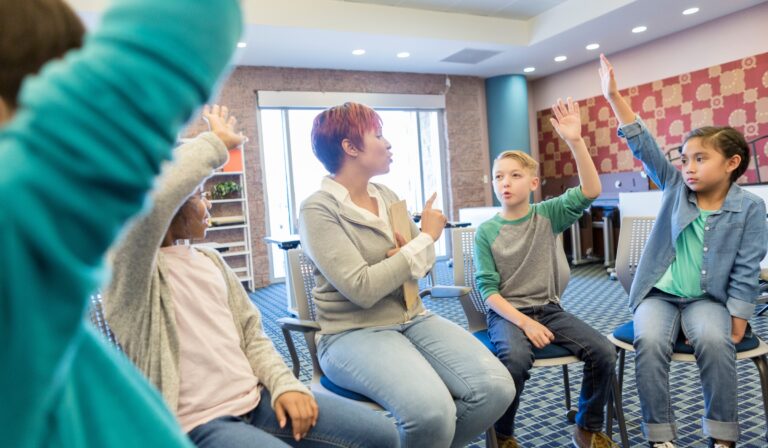
Compliments are powerful, especially when they highlight the qualities students may not always recognize in themselves. Begin by teaching students what a meaningful compliment sounds like. Offer concrete examples such as complimenting someone’s patience, helpfulness, persistence, or teamwork. Clarify non-examples as well, such as comments about clothing or physical appearance, which do not build the sense of community you want to foster.
Give students a list of classmates’ names and ask them to write one sincere compliment for each person. Younger students may write for a smaller group, while older students can complete the full class. For students who struggle to think of something, prompt them to reflect on times a peer was kind, supportive, or hardworking. After collecting the pages, type the compliments into an anonymous “You Are Appreciated” sheet for each student.
This activity often has a lasting impact. Many teachers have shared that students hold onto their compliment pages for years. In one story, a former student returned on his graduation day and showed his teacher the very same compliment page he had received in elementary school—folded carefully and carried in his wallet as a reminder of how valued he was. These moments speak to the deep, long-lasting power of helping students see the good in themselves through the eyes of others.
Celebrating differences helps children develop empathy, build meaningful connections, and feel secure in who they are. It creates classrooms where students feel valued and where kindness becomes part of the daily routine. With patient teaching, clear modeling, and thoughtful conversations, children learn that differences make us stronger—and that every person has something valuable to offer.
These skills don’t require complicated lessons. They grow from small, consistent moments of guidance and support. Over time, students build the understanding and compassion they need to treat others—and themselves—with respect.
Books can help students encounter experiences and perspectives beyond their own while also recognizing the value of what makes each person different. This collection of children’s books about diversity and differences can support thoughtful classroom conversations about respect, inclusion, and belonging.

Supporting students with diverse needs can feel overwhelming, especially when you’re trying to pinpoint where challenges are really coming from. The Classroom Concerns Checklist helps you organize your observations and identify patterns across areas like cognition, communication, and social-emotional behavior.
By walking through key skill areas in a structured way, this checklist makes it easier to clarify concerns, guide next steps, and have more productive conversations with your team.
Sign up to get instant access and start using the checklist right away.
Support your students’ individual needs with our exclusive Classroom Concerns Checklist.
Identify key concerns in areas like:
…and more to help drive collaboration and problem-solving.
Sign up now to receive instant access and valuable insights on addressing classroom concerns.
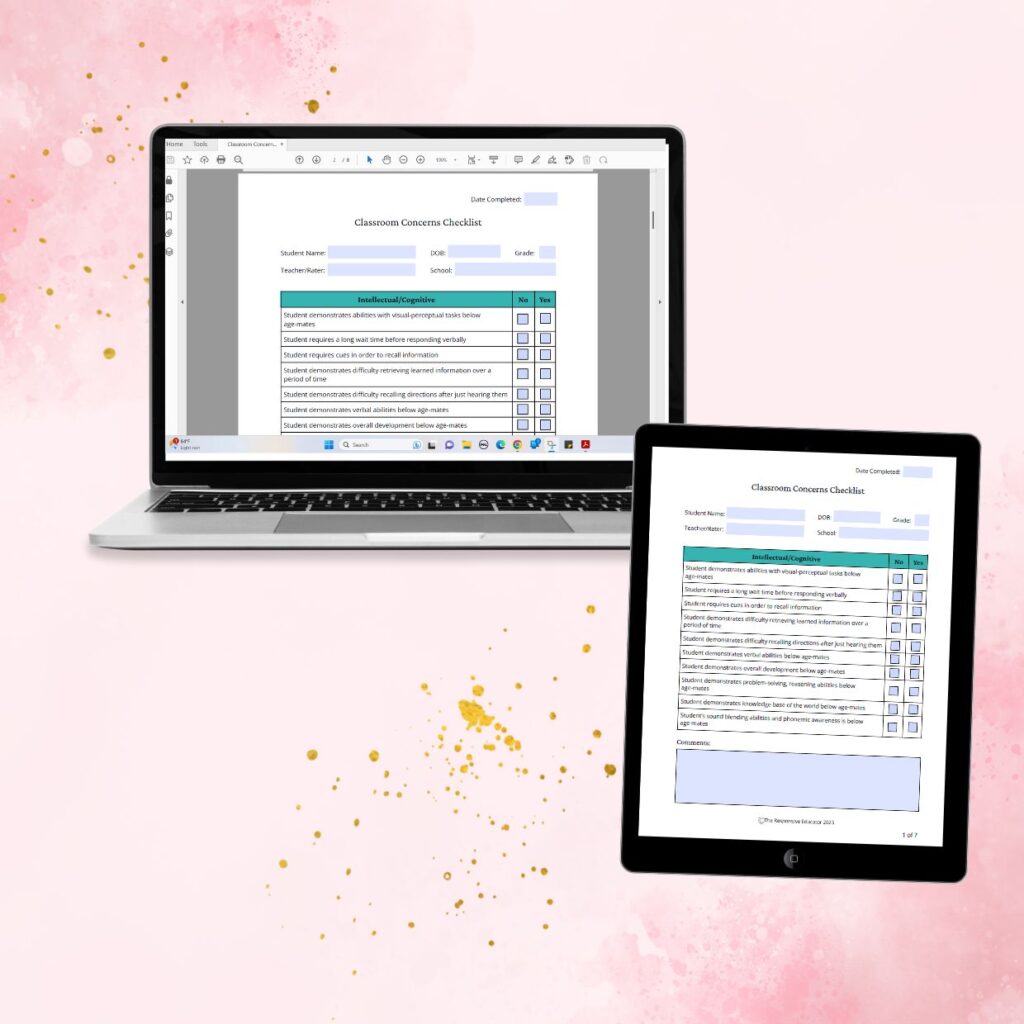
When a student is struggling, it can be difficult to know what information matters or what to look at next. The free Classroom Concerns Checklist can help you organize what you are seeing, identify patterns, and decide what information your team may need.