Conflict resolution is one of the most important social skills we can teach children—but also one of the most challenging. These books highlight characters who face disagreements, misunderstandings, or hurt feelings and work through them in realistic (and often funny) ways. Some stories model clear strategies for resolving conflict, while others show how communication, compromise, or teamwork can repair relationships and help everyone feel heard.
The books in this collection vary widely. Some are lighthearted stories about everyday squabbles; others touch on deeper issues like fairness, emotional regulation, or learning to apologize. Not every book is a perfect fit for every setting—especially if you’re reading with a diverse group of students—but they each offer useful entry points for talking about how we handle conflict with care and respect.
While many of these are classroom-friendly, a few may work better for one-on-one conversations with a counselor or caregiver. Teachers don’t need to read every book aloud to benefit from knowing these titles exist. Sometimes just being able to recommend the right book to the right child at the right time can make all the difference.
For some of the books on this site, I have created interactive read-alouds to enrich their use in the classroom. These interactive read-alouds include discussion questions, activities, and prompts that engage students and deepen their understanding of the book’s themes. More interactive read-alouds are on the way. If there are specific books for which you would like to see a read-aloud created, please contact me using the form at the bottom of the page.
To learn more about supporting social-emotional learning and using interactive read-alouds in the classroom, check out these posts:
(As an Amazon affiliate, I earn a small commission if you purchase products through the links on my posts. Thank you for your support!)
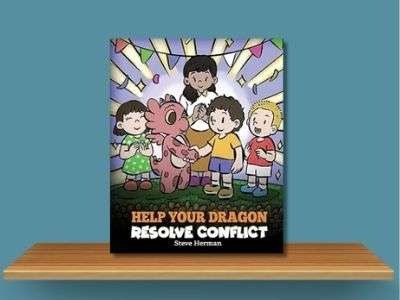
Summary: Diggory Doo the dragon has a hard time staying calm when things don’t go his way. He argues with friends, refuses to listen, and often reacts with name-calling or blame. But with some gentle coaching, Diggory begins to learn important strategies for handling conflict—like taking deep breaths, listening to others’ perspectives, and working together to find solutions. Through relatable examples and clear language, young readers follow Diggory’s journey from conflict to cooperation.
Description: Written in Steve Herman’s signature rhyming style, this book uses the character of a pet dragon to model social-emotional growth. The story offers concrete examples of everyday peer conflicts and teaches children how to remain calm, communicate respectfully, and work things out. Its simple, repetitive structure makes it accessible for young learners, while the fantasy element keeps it fun and engaging. Though designed for kids, the book also builds a common language that parents, teachers, and counselors can reference during real-life situations.
Reviews and Considerations: Educators and caregivers consistently praise this title for its clarity, simplicity, and kid appeal. Many note that the dragon character helps children externalize and reflect on their own behavior in a non-threatening way. School counselors report using it effectively in small groups, while parents appreciate how it opens the door to important conversations at home. Some families even use phrases from the book—like “fiery dragon flames”—as cues to help kids recognize and manage their emotions. While the plot isn’t deep, its strength lies in repetition, rhythm, and practical application, making it a favorite among children and adults alike.

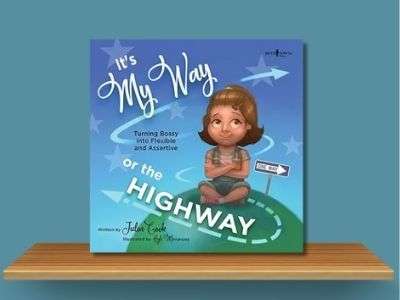
Summary: Cora June is smart, confident… and completely bossy. Whether she’s at school, on the playground, or at home, she expects things to go her way. But when her teacher and mom help her see how her actions affect others, Cora June begins to learn the power of flexibility—and how to be a leader who listens.
Description: In My Way or the Highway, Julia Cook offers a relatable look at kids who like to be in charge—but haven’t yet learned how to lead with kindness. The story strikes a balance between encouraging strong personalities and teaching kids that being the boss isn’t the same as being a leader. It introduces flexible thinking in a concrete way, showing that you can still speak up and be assertive while making room for others. Tips at the end of the book offer helpful language and strategies for parents and teachers to reinforce the message.
Reviews and Considerations: This book resonates with a wide range of families and classrooms. Many adults have used it successfully to help kids dial down bossy behavior without dampening their confidence. Readers appreciate how it opens the door to conversations about fairness, compromise, and listening to others’ ideas. While some wish the story went a little deeper into what flexibility looks like, the real strength is in how it helps adults name the behavior and give kids practical next steps. It’s an especially useful read for children who are natural leaders but need support developing empathy and social awareness.
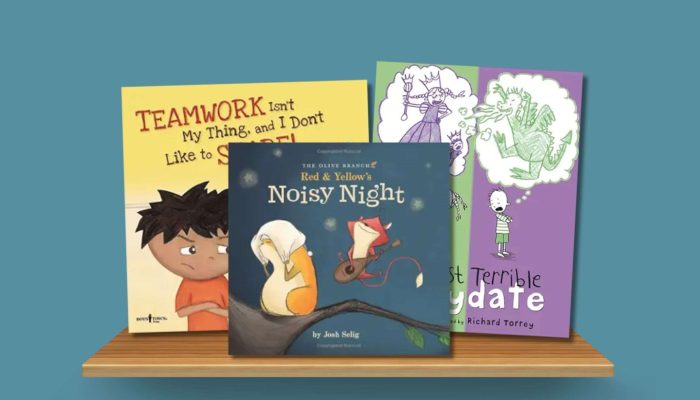
Summary: RJ is having a tough time. First, he’s placed on a team with classmates who frustrate him, then he’s told to share the last cookie at home with his little sister. It feels like nothing is going his way. But with the guidance of a caring adult, RJ begins to understand that teamwork and sharing aren’t just about giving in—they’re skills that help everyone succeed, including him.
Description: In Teamwork Isn’t My Thing and I Don’t Like to Share, Julia Cook combines humor, rhyme, and real-life school situations to help young readers understand the value of working together and being generous. Through RJ’s experiences, children learn practical strategies for handling group work and everyday challenges related to sharing. The book breaks both skills—teamwork and sharing—into four clear steps, making it easier for kids to remember and apply them. The story is part of the BEST ME I Can Be! series and includes tips for adults to reinforce the lessons at school or at home using consistent language and behavior modeling.
Reviews and Considerations: Educators and parents consistently praise this book for helping kids develop cooperation and perspective-taking skills in a way that feels accessible and non-preachy. Many reviewers report that it sparked meaningful conversations even with students who were initially reluctant. The lighthearted tone and RJ’s kid-like voice make the lessons easier to absorb. While some readers wished for a stronger link between the themes of sharing and teamwork, most found it easy to bridge that gap during follow-up discussions. It’s especially helpful during the start of the school year or when introducing group projects. Note that some adults choose to skip a few silly details (like nose-picking) to maintain focus on the message.

Summary: Two kids are excited to play together—until they realize they have very different ideas about what that should look like. She wants to be a magical princess; he wants to be a fire-breathing dragon. As the imaginative battle escalates through crayon-drawn thought bubbles, neither child is willing to bend. But eventually, their desire to play together outweighs their stubbornness, and they find a way to blend their ideas into a shared game. Their “almost terrible” playdate ends with laughter, fun, and plans to play again.
Description: This creative picture book uses only dialogue and expressive child-like illustrations to tell a relatable and humorous story about learning to cooperate. The crayon-style imagination bubbles (purple for the girl, green for the boy) capture how strongly children feel about their ideas and how hard compromise can be—especially when both kids want to be in charge. The book highlights the importance of patience, perspective-taking, and collaborative play, making it ideal for conversations about friendship, social problem-solving, and self-regulation.
Reviews and Considerations: Educators and parents love how The Almost Terrible Playdate mirrors real-life playdate conflicts and offers a natural entry point for teaching compromise. Readers praise the story’s accurate child voice, entertaining back-and-forth dialogue, and whimsical artwork that captures kids’ big feelings. It’s especially engaging as a read-aloud, with many teachers using two voices to model the characters’ negotiations. While some readers note the activities lean into gender stereotypes, the overall message about finding common ground is clear and effective. A strong pick for preschool through early elementary classrooms or home libraries.

Summary: Red and Yellow are friends who live together in the branches of an olive tree. One evening, Red wants to strum loudly on his “strummy,” while Yellow just wants to sleep. As their disagreement escalates, they must find a way to live together peacefully—even when their needs don’t match. This simple story shows how two very different friends can resolve a conflict with patience and understanding.
Description: Based on the animated series The Olive Branch, this quiet, endearing picture book uses gentle humor and warm illustrations to model respectful communication, cooperation, and compromise. The storyline is straightforward but effective, making it an ideal read-aloud for young children who are just beginning to navigate social conflict. The characters’ differences are never framed as problems—just preferences that need to be managed with care. It’s a peaceful, bedtime-friendly approach to helping children develop empathy, patience, and flexibility.
Reviews and Considerations: Readers describe Red and Yellow’s Noisy Night as a “quiet little treasure” with a big heart. Parents, teachers, and caregivers appreciate its calming tone and strong message of working through disagreements without hurt or blame. The book has been praised for its use in preschool classrooms and Montessori settings, and many reviewers say it lingers in children’s minds long after reading. While some note that the book may be better suited to younger or more sensitive audiences, the overarching message of peaceful conflict resolution is relevant across ages.

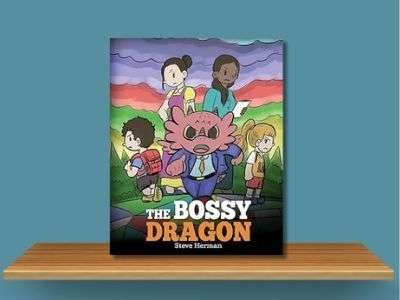
Summary: In this installment of the My Dragon Books series, Diggory Doo the dragon learns an important lesson about friendship and flexibility. When he tries to boss others around and insists on having things his way, Diggory finds himself alone and frustrated. Through gentle guidance, he begins to understand how compromise, listening, and respecting others’ ideas can help him become a better friend—and have more fun, too.
Description: Written in a friendly, accessible tone from a child’s point of view, this story offers a playful yet meaningful way to talk about bossy behavior and the social consequences that come with it. The book encourages children to reflect on how their actions affect others and models strategies for respectful communication, problem-solving, and shared decision-making. The series format and familiar character of Diggory make it especially helpful for children who benefit from repeated practice and familiar routines.
Reviews and Considerations: Reviewers consistently praise this book for its ability to teach social skills without sounding preachy. Parents, educators, and therapists find it useful for helping children recognize bossy behavior and explore more cooperative alternatives. Many mention that the series works well in sessions where children role-play with a plush dragon, allowing them to offer advice indirectly. One reviewer noted the book may not be the best fit for children with ADHD who are sensitive to feeling judged—but overall, the tone is supportive and focused on learning rather than blame. It’s a great resource for kids learning to balance leadership with kindness and flexibility.
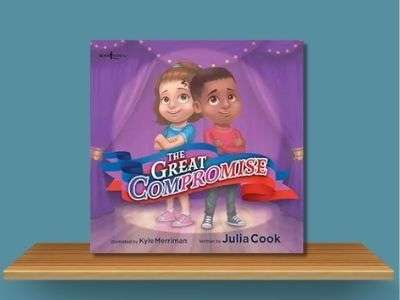
Summary: Cora June knows what she wants—and she’s not shy about it. Unfortunately, neither is her classmate Wilson, and their constant clashing leads to a full day of conflicts. From recess games to class trip debates to the all-important popsicle flavor, they just can’t seem to agree. With their teacher’s help, the two begin to understand that strong leaders also know how to listen, consider others’ needs, and compromise.
Description: This engaging rhyming story offers relatable, school-based scenarios to help children understand what compromise looks like in real life. Through repetition and humor, Julia Cook illustrates that learning to compromise isn’t a sign of weakness—it’s a leadership skill. The book is written with classroom use in mind, making it a natural fit for morning meetings, small groups, or social-emotional mini-lessons. It also includes a helpful tips section for adults working with students in grades K–5.
Reviews and Considerations: Reviewers describe this book as a helpful, intentional teaching tool for elementary-aged children. Many teachers and counselors appreciate how the story models compromise and provides discussion points for children who tend to be strong-willed or inflexible. Some note that older students may find the tone too simplistic, and a few reviewers mention that the book may not resonate as well with neurodivergent children. Still, for its intended audience, this is a solid resource for promoting respectful communication, self-awareness, and leadership through cooperation.
Summary: Three animal friends—Bear, Moose, and Beaver—set out for a canoe trip, but their outing quickly turns into a series of disagreements. From who should steer the canoe to how to navigate obstacles and handle rapids, they bicker their way into real trouble. After spending a cold, uncomfortable night stranded on a rock, the trio finally learns that cooperation and teamwork are the only way forward. The story wraps up with a humorous but meaningful reminder that things go better when friends work together.
Description: Up the Creek is a humorous and visually engaging story that gently introduces young readers to themes of teamwork, problem-solving, and conflict resolution. The simple, cartoon-style illustrations convey much of the emotional tension and humor, making it especially effective for classroom use or SEL-focused read-alouds. The book is part of Nicholas Oldland’s Life in the Wild series, which features the same trio of characters learning different life lessons. While the tone is light, the message is clear: collaboration requires listening and compromise.
Reviews and Considerations: Many reviewers praised the book for its ability to spark conversations about cooperation in a fun, accessible way. Teachers and parents noted its effectiveness with preschool through early elementary students and appreciated the balance of humor and message. Several classroom teachers highlighted its usefulness for modeling teamwork during group activities or morning meetings. While a few reviewers felt the storyline lacked excitement or depth, the majority found it endearing and educational. Best suited for younger children, this book supports early social-emotional development in a lighthearted and relatable format.

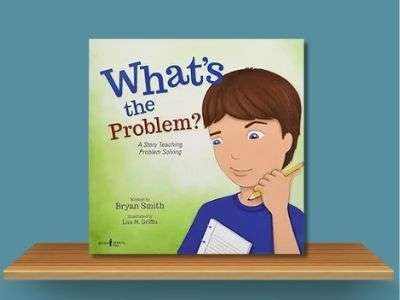
Summary: In this story from the Executive FUNction series, kids face everyday dilemmas—like a sibling argument, a peer insult, or the temptation to break the rules—and consider solutions that range from silly to outright poor choices. Fortunately, a calm adult introduces them to the SODAS problem-solving strategy (Situation, Options, Disadvantages, Advantages, Solution), helping them work through each situation thoughtfully. With humor and realistic scenarios, this book teaches kids that good decision-making takes practice and a plan.
Description: Bryan Smith’s What’s the Problem? offers a concrete, easy-to-remember method for resolving conflicts and navigating tricky social situations. It’s especially helpful for upper elementary students learning how to pause and think through consequences before acting. The scenarios include friendship problems, impulse control challenges, and family conflict, all wrapped in a fast-paced, engaging narrative that makes problem solving feel accessible and useful.
Reviews and Considerations: Many educators and counselors praise this book for its structured, memorable approach to teaching conflict resolution. The SODAS strategy is a strength—there are very few books that model problem solving in such a clear, step-by-step way. However, one reviewer raised a serious concern about a scene where a white male character helps two girls resolve a conflict after one refers to the other’s hair as a “rat’s nest”—with the implication that the characters are racially coded and the book lacks meaningful representation. While most readers found the content relatable and useful, this scene may raise concerns about using it in a classroom setting. Educators should preview the book carefully and consider using it for small group instruction, counseling sessions, or home use rather than whole-class discussions.
Sign up now to receive a Quick Start Guide to Children’s Books for Behavior and SEL Needs.
This practical guide will help you quickly match common classroom challenges with picture books that actually support behavior, social-emotional learning, and student growth.
By signing up, you’ll also join my newsletter, where you’ll receive:
Targeted strategies for addressing specific behavior and SEL concerns in your classroom
Weekly emails that pair a behavior/SEL skill with books — one week you’ll get strategies, the next week a curated list of picture books on the same topic.
Time-saving tools and ideas you can use right away to support students’ behavior, emotions, and peer relationships
This guide takes the guesswork out of finding the right book for the right moment.
Join our community of educators who are committed to using books, relationships, and evidence-based strategies to support students’ behavior and social-emotional growth in the classroom.