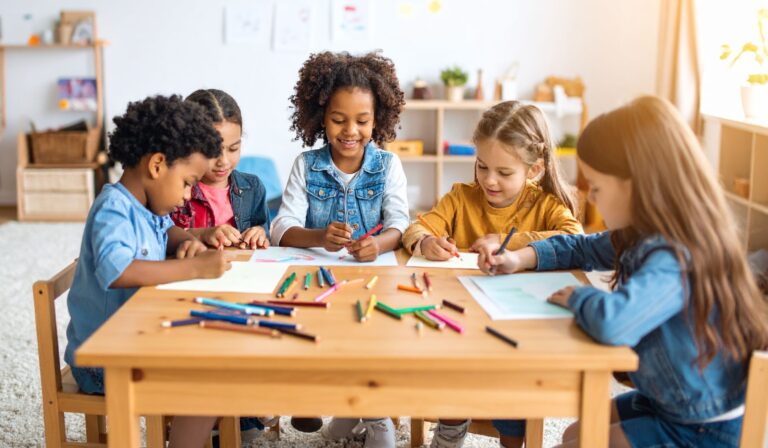
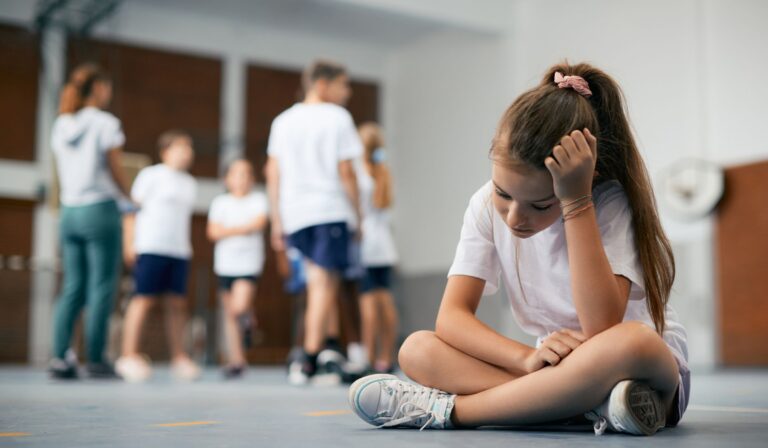
Friendship struggles show up in many different ways. They might appear during group work, at lunch, on the playground, or during other less structured parts of the day. Some children play alone on the sidelines—not because they want to be alone, but because they don’t know how to ask to join others or invite someone to play with them. Others want to play with peers but insist on doing things their way, struggle to compromise, or become overly focused on rules and fairness.
When these situations happen repeatedly, it can be tempting to label the behavior as rude, bossy, dramatic, or unkind. But in my experience, most children who struggle with friendship skills want friends. The issue is rarely motivation. More often, the child is missing one or more unspoken social skills that other children tend to pick up naturally.
Friendship skills are not a single skill. They are made up of many smaller skills—understanding personal space, knowing how to join a game, handling teasing, compromising, managing big emotions, recognizing social cues, and repairing relationships after conflict. Some students learn these skills through observation and experience. Others need them taught explicitly.
The role of the adult is not to assume children “should already know this,” but to figure out which skill is missing and then teach that skill clearly, patiently, and without shame.
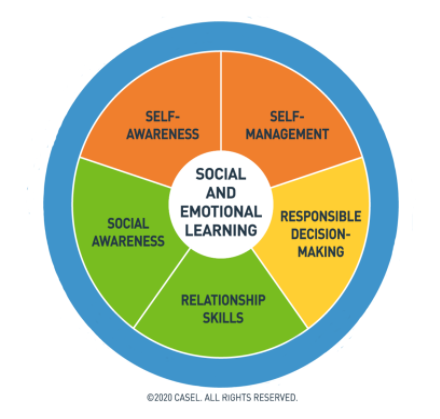
Friendship skills are closely connected to several of the CASEL social-emotional competencies, particularly social awareness, self-management, and relationship skills. To navigate friendships successfully, children need to understand their own emotions, recognize how their behavior affects others, manage impulses, and communicate in ways that support connection rather than conflict.
When children struggle socially, it is often because one of these underlying competencies has not fully developed yet. Viewing friendship challenges through this lens helps adults move away from punishment and toward instruction. Instead of reacting to behavior in the moment, we can focus on teaching skills that support long-term growth and healthier relationships.
To learn more about the CASEL 5 Social-Emotional Competencies, read this blog post. You can also visit their site here.
Children who don’t understand why peers pull away often internalize the belief that something is “wrong” with them. When adults identify and teach the missing skill—rather than blaming the child—the message changes. The child learns that friendship is something they can learn, not something they are excluded from.
General reminders like “be nice,” “share,” or “compromise” are rarely effective if a child doesn’t understand what those words look like in real situations. Teaching the exact skill a child is missing leads to fewer repeated conflicts and less frustration for both students and adults.
Friendship skills continue to matter well beyond elementary school. Children who learn how to read social situations, regulate emotions, adjust behavior, and repair relationships early are better prepared for teamwork, collaboration, and peer relationships later in life.
Adults often use social language assuming children understand what it means. Words like compromise, respect, personal space, or a real apology may be clear to adults but not to children.
Instead of asking, “Do you know what compromise means?”—which most children will answer with “yes”—try asking:
Many children will quickly reveal that they don’t actually know, or that their understanding is very different from what you intended.
One conflict doesn’t tell you much. Patterns do. Pay attention to whether a child consistently struggles with:
Friendship struggles are often the result of one missing piece, not a lack of empathy or effort.
Once you identify the missing skill, explain it clearly and kindly. Children benefit from honest explanations about how behaviors affect others when those explanations are free of blame or shame. Focus on:
It’s also important to be honest that repairing a friendship may take time. A quick “sorry” does not always fix hurt feelings, and learning how to rebuild trust is a skill in itself.
Interactive read-alouds are one of the most effective ways to teach friendship skills because they create emotional distance. Children can talk about characters instead of classmates, which feels safer and more appropriate.
When using books to teach friendship skills:
Books make it easier to explore sensitive topics—like exclusion, control, teasing, or repairing friendships—without calling out individual students. Next week’s post will share a curated list of picture books chosen specifically to support friendship skills across grade levels.
If you are noticing that a friendship struggle is really connected to skills like personal space, tattling vs. telling, or handling teasing, those skills may need to be taught separately and explicitly as well.
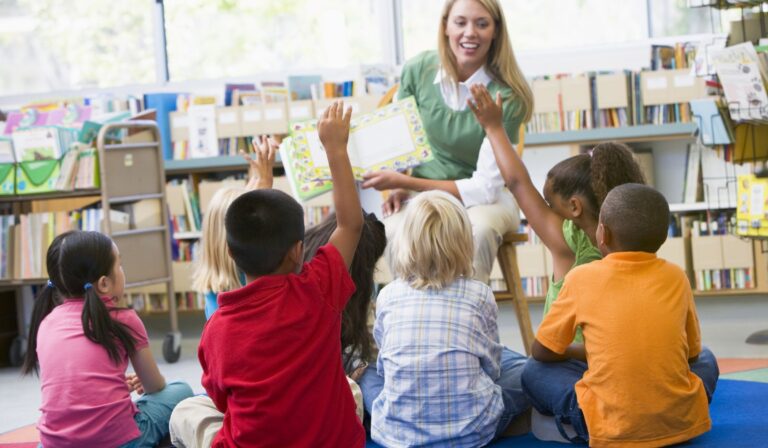
Friendship skills need more than reminders. Children need opportunities to slow down, reflect, and practice in supportive ways. The activities below are designed to help students understand what friendship skills look like, why they matter, and how to use them in real situations. Teachers can choose the activities that best fit their students, schedule, and comfort level.
This activity helps students clarify what they value in friendships and reflect on their own behavior in a non-threatening way. Begin with a whole-class discussion and record ideas on the board.
Explain that some qualities are things most people look for in friends—such as kindness, honesty, fairness, or being a good listener. Other qualities may be personal preferences, like enjoying the same games or interests. Both types of answers are valid.
After brainstorming, guide students to reflect on the question:
“Are you being the kind of friend you would want to have?”
Students can respond through writing or drawing, depending on age and ability. This activity builds self-awareness without singling anyone out or placing blame.
Many friendship challenges are connected to difficulty deciding when to seek adult help and when to handle a situation independently. This activity is especially helpful for students who struggle with tattling or rigid rule-following.
Prepare cards or examples describing common school situations (for example: someone cutting in line, someone getting hurt, a disagreement about game rules, name-calling, or an accidental bump). As a class or in small groups, students sort each situation into categories such as:
Discuss why each situation belongs where it does and what friendship skills—like using calm words, compromising, or walking away—can help with small problems. This activity is most effective when revisited regularly.
Role-play can be helpful when it focuses on practicing appropriate behaviors, not acting out mistakes for entertainment. Before beginning, explain that the goal is to practice helpful choices.
Appropriate role-play topics include:
Model the expected behavior first, then let students practice using clear sentence starters or scripts. Keep scenarios brief and structured.
Avoid role-playing sensitive topics such as comments about appearance, hygiene, or deeply personal issues. Practicing inappropriate behaviors—even “as a joke”—can create more problems than solutions.
Writing and drawing activities give students time to process friendship skills without social pressure. These are especially helpful for students who are quieter, anxious, or still developing language skills.
Students might:
Teachers can review responses privately or discuss them in small groups, helping students connect their ideas to real-life situations while protecting dignity.
Friendship skills are reinforced most effectively during real moments—at recess, during centers, or while working in groups. Once a skill has been explicitly taught, watch for opportunities to coach quietly and intentionally.
Correcting and praising in private helps protect students’ dignity. When appropriate, brief and neutral praise can reinforce progress, such as noticing a student leaving appropriate personal space or inviting a peer to join a game.
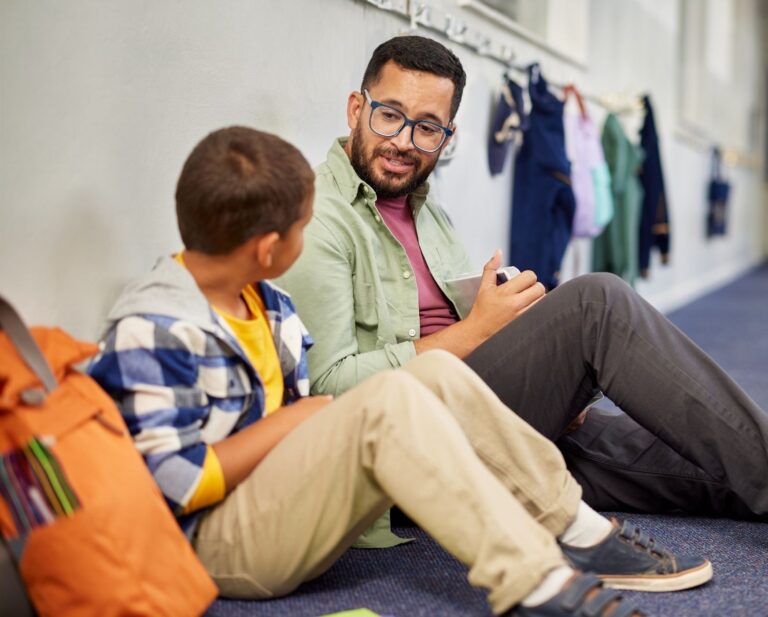
How feedback is given matters just as much as what is taught.
Some skills are important but should never be addressed publicly. Concerns related to hygiene, sensory needs, or family resources require privacy and care. In these situations, collaboration with a school counselor may be appropriate to determine whether the issue is about understanding or access to support.
Age also matters. While public coaching may be appropriate in elementary settings, older students often need greater discretion to avoid social harm.
Friendship skills are complex, layered, and deeply connected to a child’s sense of belonging. When children struggle socially, it is rarely because they don’t care. More often, it is because the skill they need has not been clearly taught yet.
Instead of asking whether a child should know how to do something, it is more productive to assume they haven’t been taught or that their understanding is incomplete—and start there. With explicit instruction, thoughtful practice, and respectful support, children can learn the skills they need to build and maintain meaningful friendships.
Next week, I’ll share a curated list of picture books that support friendship skills and make this work even easier.

Supporting students with diverse needs can feel overwhelming, especially when you’re trying to pinpoint where challenges are really coming from. The Classroom Concerns Checklist helps you organize your observations and identify patterns across areas like cognition, communication, and social-emotional behavior.
By walking through key skill areas in a structured way, this checklist makes it easier to clarify concerns, guide next steps, and have more productive conversations with your team.
Sign up to get instant access and start using the checklist right away.

Support your students’ individual needs with our exclusive Classroom Concerns Checklist.
Identify key concerns in areas like:
…and more to help drive collaboration and problem-solving.
Sign up now to receive instant access and valuable insights on addressing classroom concerns.