

Children process fear, grief, and trauma in ways that are often confusing to the adults around them. Whether a child has experienced loss, witnessed violence, been through a frightening medical event, or simply lived through instability, books can offer a safe entry point for difficult conversations.
The titles in this post explore a wide range of sensitive experiences—some more direct, others more symbolic. They touch on topics such as anxiety, PTSD symptoms, parental separation, domestic violence, and the emotional aftermath of frightening events. These aren’t typical classroom read-alouds. In fact, most are better suited for one-on-one reading with a trusted adult—ideally a parent, therapist, or caregiver who can support the child through big emotions that may surface.
Still, it’s important for teachers and school staff to know these books exist. You may never read them during a lesson, but you might one day need to recommend just the right title to a caregiver—or understand why a certain book becomes a child’s quiet favorite. These stories are gentle, validating, and powerful tools for healing—and they can help a child feel seen, understood, and safe again.
For some of the books on this site, I have created interactive read-alouds to enrich their use in the classroom. These interactive read-alouds include discussion questions, activities, and prompts that engage students and deepen their understanding of the book’s themes. More interactive read-alouds are on the way. If there are specific books for which you would like to see a read-aloud created, please contact me using the form at the bottom of the page.
To learn more about supporting social-emotional learning and using interactive read-alouds in the classroom, check out these posts:
(As an Amazon affiliate, I earn a small commission if you purchase products through the links on my posts. Thank you for your support!)
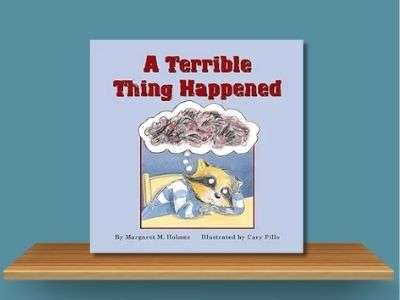
Summary: Sherman Smith saw something awful—but no one knew because Sherman didn’t talk about it. Over time, he began to feel angry, confused, and out of control. His worries grew bigger, and so did his behavior struggles. When a caring adult finally gives Sherman the space to talk, he begins to feel better. Through gentle support, he starts to heal from the terrible thing he experienced.
Description: This sensitive story was written for children who have witnessed or experienced trauma but may not be ready—or able—to name it. The “terrible thing” is never specified, making the book accessible to a wide range of experiences including domestic violence, accidents, abuse, or community violence. Its simple language and soft illustrations make it approachable, while the underlying message—that talking helps—offers a critical first step in healing. An afterword provides guidance for adults supporting children through trauma.
Reviews and Considerations: Educators, counselors, and caregivers consistently praise A Terrible Thing Happened for its compassionate, developmentally appropriate approach to trauma. Many find it especially helpful for young children who act out or shut down after a stressful event. The book avoids graphic content and instead focuses on emotional responses, making it safe yet powerful. It’s often recommended as a read-aloud in therapy or classroom settings and serves as a gentle tool for opening conversations about difficult experiences.

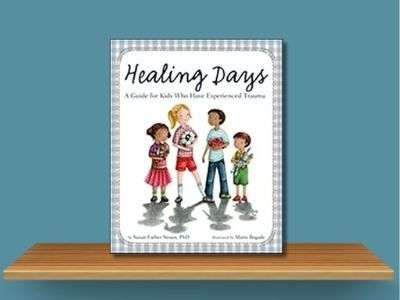
Summary: Healing Days follows four unnamed children as they begin the emotional process of recovering from trauma. With gentle narration and soft illustrations, this reassuring story helps children understand that their thoughts and feelings are normal reactions to a scary or upsetting experience. Through the support of trusted adults and the use of calming strategies, each child begins to feel safer, stronger, and more in control.
Description: This supportive book is designed to be read with a caregiver, therapist, or trusted adult and helps young readers make sense of what they’re feeling after experiencing trauma. The story emphasizes that children are never to blame and that healing is possible with time, help, and self-care. By keeping the source of the trauma vague, the book stays broadly applicable and non-triggering. It covers common reactions like fear, confusion, and changes in behavior, while also introducing therapeutic concepts like fight, flight, and freeze. A downloadable guide for parents and professionals is available through the American Psychological Association, making this book especially useful for counseling or therapy settings.
Reviews and Considerations: Many therapists, school counselors, and foster parents consider Healing Days a staple for trauma-informed care. Reviewers appreciate its balance of emotional honesty and gentle tone, noting that it helps children feel validated and less alone in their experiences. Its versatility makes it ideal for a range of traumas, from abuse and neglect to bullying and medical trauma. While a few readers found the multiple unnamed characters slightly confusing for younger children, most agreed that the story’s universal structure increases its reach and effectiveness. Healing Days is often praised for normalizing trauma responses and giving children practical ways to begin the healing process.
Summary: Somebody Cares gently explores what it’s like to grow up without the consistent care, attention, or emotional support that every child needs. The book follows several unnamed children who have been trying to manage too much on their own, helping readers recognize that their experiences and feelings are real and valid. With calm, clear language and illustrations that invite conversation, the story reassures children that they are not to blame—and that better days are ahead, especially with the help of caring adults.
Description: Written specifically for children who have experienced neglect, this book helps young readers understand the emotional impact of not having their basic needs met. Without naming any specific child or situation, the story reflects the confusion, fear, and loneliness that can come from being overlooked or unsupported at home. As children begin to get help—whether through counseling, kinship care, or foster placement—they are introduced to new coping strategies like grounding techniques, progressive muscle relaxation, and understanding the body’s trauma responses. Somebody Cares emphasizes safety, resilience, and hope, while a downloadable caregiver guide from the APA adds practical tools for adults supporting a child through healing.
Reviews and Considerations: Many readers—especially foster parents, counselors, and those with lived experience—describe Somebody Cares as a powerful, validating resource. Its emotionally aware language makes it especially effective for helping kids name their feelings and begin to trust in supportive adults. The story doesn’t villainize birth parents but instead focuses on the child’s experience and recovery. Some reviewers wished for more realistic solutions to match the difficult situations many children face, but even so, the book is widely praised for opening up important conversations. Its thoughtful handling of a sensitive subject makes it a valuable addition to any trauma-informed toolkit.

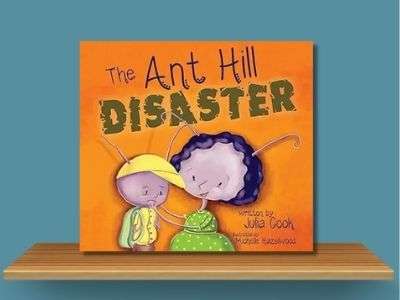
Summary: After a tragic event destroys Ant Hill School, a young ant is filled with fear and uncertainty. He doesn’t want to go back to school, worried that something bad might happen again. With warmth and care, his mother explains that while some events are out of our control, we can move forward together. Through simple rhymes and heartfelt dialogue, The Ant Hill Disaster helps children understand that healing takes time—and that being part of a supportive community can make even the scariest days a little easier.
Description: Written in response to real-life tragedies, The Ant Hill Disaster uses metaphor to help children process traumatic events such as natural disasters, school shootings, or other frightening experiences. The story centers on a mother and her child as they talk through fear, safety, and resilience. Breathing strategies, affirming messages, and a collective focus on rebuilding help ground the story in hope. Julia Cook models what compassionate, age-appropriate conversations might sound like between a parent or teacher and a child who is struggling after a disaster. The book reassures young readers that it’s okay to feel scared, and that no one has to go through hard things alone.
Reviews and Considerations: Educators, counselors, and caregivers describe The Ant Hill Disaster as a powerful tool for opening conversations about traumatic events. The story is accessible without being graphic and offers emotional validation alongside practical support. Many reviewers highlighted its usefulness following school crises or natural disasters. While one or two readers found the metaphor unsettling to introduce in a classroom setting, most found the language and message both comforting and empowering. It’s a sensitive, hopeful resource for children navigating fear, grief, or anxiety about safety—especially in school settings.
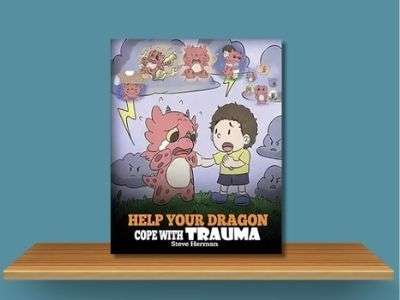
Summary: Diggory Doo the dragon has seen something really scary, and now the after-effects are showing up everywhere: bad dreams, tummy aches, jumpiness, pulling away from people he loves. His young caretaker wants to help—but how? Together they learn to name feelings, talk about what happened (when ready), practice calming skills, and notice the good things that are still safe and steady. The story keeps the “terrible thing” vague, so kids can map in whatever hard experience they’re carrying.
Description: Like the other Dragon titles, this book uses a friendly, slightly goofy fantasy character to lower defenses around a heavy topic. The language is direct but not graphic, acknowledging common trauma reactions (sleep problems, somatic complaints, avoidance, big emotions) and modeling supportive adult responses: listen, validate, reassure safety, teach coping tools (breathing, grounding, sharing feelings, focusing on positives, gradual exposure to reminders). Because the event is not specified, you can adapt read-aloud conversations to fit situations ranging from witnessing community violence or accidents to living through family upheaval. It’s a gentle bridge into deeper work with a parent, foster caregiver, therapist, or school counselor.
Reviews and Considerations: Parents, foster caregivers, and therapists praise the book for “finding the words” when they didn’t know how to start hard conversations and for normalizing kids’ (and adults’) trauma responses. Several readers said the dragon motif helped children who already love the series engage with a tough subject, and some noticed their kids spontaneously referencing Diggory Doo when talking about their own worries. Others appreciated the coping ideas at the end. A few reviewers wished the story went farther—either offering more concrete strategies, or addressing trauma that happens to a child (the dragon mainly witnesses an event). One reader felt the narrative shifted abruptly, so you may want to pause and discuss as you go. Overall, it’s a warm, accessibly worded entry point: not a full treatment protocol, but a useful conversation starter you can pair with therapy, safety planning, or other supports.
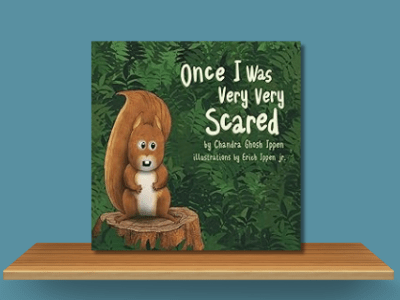
Summary: Squirrel cautiously shares that he was once very, very scared—and, to his surprise, the other animals have been scared too. Each one describes a different reaction: hiding, yelling, running, pretending nothing happened. A caring porcupine gently helps them understand their feelings and find ways to feel safe again. This layered, thoughtful story normalizes trauma responses and highlights how we all cope in different ways.
Description: Created by a clinical psychologist and trauma expert, this picture book uses relatable animal characters to illustrate the variety of ways children may respond to frightening events. Fight, flight, freeze, flop, and friend responses are woven into the story without using technical terms. Children learn that tummy aches, acting out, zoning out, or refusing to talk about what happened are all normal signs of stress—and that caring adults can help. The book also includes a subtle but powerful message: you don’t have to talk about everything right away to begin healing. At 64 pages, it’s longer than many picture books, but the pacing and rich illustrations support deep engagement when shared with care.
Reviews and Considerations: Educators, therapists, and caregivers consistently call this one of the best children’s books on trauma. Reviewers praise its ability to speak to children with a wide range of experiences—from those affected by domestic violence or abuse to those dealing with loss, medical trauma, or displacement. The animal characters help depersonalize tough topics and make it safer for children to identify with the story. Many therapists say this book became their go-to for helping clients name and normalize their emotions. Some readers note the story’s length and occasional complexity may require paraphrasing or breaks during reading, especially with younger kids. However, the depth and sensitivity of the content make it a standout tool for supporting healing and emotional insight.
Sign up now to receive a Quick Start Guide to Children’s Books for Behavior and SEL Needs.
This practical guide will help you quickly match common classroom challenges with picture books that actually support behavior, social-emotional learning, and student growth.
By signing up, you’ll also join my newsletter, where you’ll receive:
Targeted strategies for addressing specific behavior and SEL concerns in your classroom
Weekly emails that pair a behavior/SEL skill with books — one week you’ll get strategies, the next week a curated list of picture books on the same topic.
Time-saving tools and ideas you can use right away to support students’ behavior, emotions, and peer relationships
This guide takes the guesswork out of finding the right book for the right moment.
Join our community of educators who are committed to using books, relationships, and evidence-based strategies to support students’ behavior and social-emotional growth in the classroom.