Helping students learn how to include others is one of those social skills that sounds simple on the surface—but is often much more complex in practice. Many children are not intentionally unkind. Instead, they may be focused on their own needs, unsure how to bring someone into play, overwhelmed by social dynamics, or following unspoken peer rules they don’t yet know how to question.
When a student is repeatedly left out, the solution is rarely forcing friendships or telling children to “just be nice.” Real inclusion comes from teaching specific skills, building awareness, and creating classroom structures that allow students to form genuine connections over time.
This post focuses on helping teachers look beneath the behavior, understand why students may exclude others, and intentionally teach the skills that support belonging—without shaming, spotlighting, or forcing social interactions.
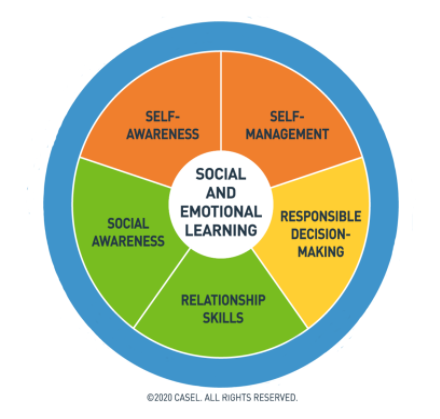
Including others is not just about being kind — it requires several social-emotional skills working together at the same time. When students leave others out, ignore peers, or seem unsure how to respond socially, they are often struggling in one or more of the CASEL 5 competency areas, even if their behavior does not appear intentionally unkind.
Understanding inclusion through this lens helps teachers move away from moral judgments and toward teaching the specific skills that support belonging.
Students first need to notice what is happening around them and how they themselves are feeling in social situations. This includes recognizing:
Some students are so engaged in their own activity that they genuinely do not notice others who are left out. Others may feel socially anxious or unsure what to say, which can lead them to avoid interaction altogether. Helping students build awareness of both their own feelings and the presence of others is an important starting point for inclusive behavior.
Even when students notice that someone is being left out, they may struggle to respond appropriately if social situations feel overwhelming. Self-management skills help students:
For some students, excluding others is not about meanness but about maintaining emotional control. Teaching students how to manage social stress helps them become more flexible and open to including peers without becoming overwhelmed.
Social awareness is central to inclusion. Students need to understand that:
Perspective-taking allows students to move beyond their own immediate experience and consider how their actions affect others. Without this skill, exclusion can happen simply because students are not thinking beyond their own group or activity.
Inclusion involves choices. Students are constantly deciding:
These decisions are influenced by social comfort, peer expectations, and fear of change. Teaching students to pause and think about the impact of their choices supports more intentional and compassionate behavior, rather than defaulting to habit or convenience.
Including others requires practical social skills, such as:
Many students are not excluding others because they don’t care, but because they do not yet know how to navigate these interactions smoothly. Teaching and practicing these skills helps students build connections that feel natural rather than forced.
To learn more about the CASEL 5 Social-Emotional Competencies, read this blog post. You can also visit their site here.
Inclusion in the classroom does not mean that students must be best friends with everyone or required to play together at all times. Children need autonomy in choosing their friends, and forced friendships often do more harm than good.
In a school setting, inclusion means:
Students do not need to like everyone or share the same interests. They are expected to be respectful, welcoming, and willing to work alongside a variety of peers. These expectations mirror adult life, where people regularly collaborate with others they may not have chosen but still treat with professionalism and care.
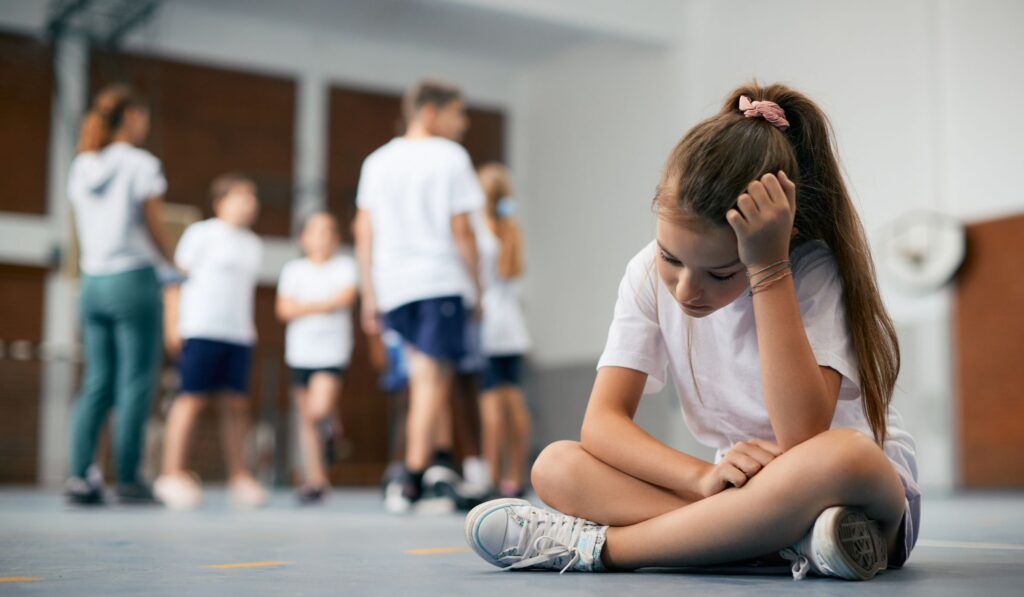
When a student excludes someone else, it is easy to assume intent. In reality, exclusion often stems from a missing skill or unmet need. Understanding the root cause helps teachers respond in ways that actually change behavior.
Some students simply do not notice that another child wants to join. They may be deeply engaged in their own play, conversation, or routine and genuinely unaware that someone nearby feels left out.
Other students may notice—but not know what to do next. Inviting someone to join, adjusting a game, or starting a conversation requires social problem-solving skills that many children are still developing.
For some students, including others feels overwhelming. Social interaction may already require significant effort, and adding another person can feel disruptive or stressful. In these cases, exclusion is a coping strategy—not a character flaw.
Identifying which of these is at play allows teachers to teach the right skill, rather than reacting with consequences that miss the mark.
A sense of belonging at school is more than a “nice-to-have.” Research consistently shows that school connectedness—feeling seen, supported, and valued by peers and adults—acts as a protective factor for students, especially those facing stress or adversity outside of school.
When students feel connected:
Supportive peer relationships at school can partially buffer the effects of social isolation or lack of support elsewhere. This is why chronic exclusion of the same student should never be dismissed as “kids being kids.” It deserves thoughtful attention and proactive support.
Before planning lessons around inclusion, teachers need a clear picture of what is actually happening socially in the classroom. Exclusion often flies under the radar, especially when it is quiet or routine. A student who is consistently left out may not complain, and classmates may not recognize the pattern themselves.
One effective way to uncover these patterns is by creating a simple social web.
To begin, hand each student a small piece of paper. Ask them to privately write down the names of three classmates they would choose to sit next to or work with if they were given a choice. Be clear that there are no right or wrong answers and that no one else will see what they write. Collect the papers immediately.
Next, take a blank sheet of paper and write every student’s name on it, spacing the names out across the page. One by one, read each student’s responses and draw lines from that student’s name to the classmates they listed. As you continue, a web begins to form.
At first glance, it may seem like you could simply read the lists and “get the idea,” but actually drawing the web is what makes patterns visible. You’ll quickly notice which students are chosen frequently, which are chosen occasionally, and which may not be chosen at all. This visual representation often reveals dynamics that are easy to miss during the day-to-day flow of classroom life.
The purpose of this activity is not to label students or share results. The web is for teacher use only. It helps guide decisions about seating, partner work, grouping, and which students may need intentional support building connections. This process can be repeated later in the year to see whether social patterns have shifted. In many cases, teachers are encouraged to see that intentional instruction and structured opportunities really do change the web over time.
Creating a social web helps teachers move away from guessing and toward informed support. It allows you to ask better questions:
Is a student being left out because peers don’t notice them?
Is there a skill gap that needs to be taught?
Is this student overwhelmed by social interaction and pulling back?
Once patterns are clearer, the goal isn’t to force change—but to create opportunities where connection can happen naturally.

Picture books are a powerful entry point for teaching inclusion because they allow students to explore difficult social situations at a safe distance.
Books such as How Full Is Your Bucket? work especially well here. One key idea to highlight is that filling other people’s buckets also fills our own. Including others, noticing them, and being kind doesn’t just help the recipient—it strengthens the classroom community and the giver as well.
When using a read-aloud, pause to discuss moments where characters notice someone being left out, choose to include them, or experience the effects of exclusion. Keep the focus on actions and choices rather than labeling characters as “good” or “bad.”
After reading How Full Is Your Bucket?, explain that buckets are filled not only when someone feels sad, but also through everyday kindness—often for no reason at all.
Guide a class discussion by asking:
Together, create a list of “bucket-filling” actions. Examples might include:
Emphasize that these actions should feel natural and respectful—not forced or performative.
Extension:
Have students practice “positive noticing” by writing or drawing one way they could fill someone else’s bucket during the week. These do not need to be shared publicly.
There are many ways to help students build connections that feel natural, low-pressure, and authentic—rather than performative or forced. The activity ideas below are grouped by purpose and include explanations for why they work, along with guidance for using them thoughtfully in the classroom.
Creating opportunities for inclusion does not mean forcing friendships. Instead, it means intentionally structuring experiences that allow students to notice one another, discover shared interests, and interact in ways that feel safe and genuine. Over time, these kinds of experiences help students see their peers as individuals rather than “other,” increasing the likelihood that real, organic connections can form.
These work well because students connect through doing, not through forced conversation.
Examples:
Why this works:
Some students struggle socially not because they don’t want friends, but because conversation itself is hard. A shared task gives students something to focus on besides each other. Connection often happens quietly and organically.
How to use it intentionally:
Pair students strategically (based on your social web or observations), but present it as a neutral classroom activity. Avoid announcing pairings as “helping someone make friends.”
These help students realize they have more in common than they think, without singling anyone out.
Example: Classroom Connection Cards
Create simple prompt cards such as:
Students circulate casually, checking off shared interests. No one is required to find a match for every prompt.
Why this works:
It reframes differences as normal and expected while quietly building bridges. Students who are often seen as “different” may discover unexpected overlap with peers.
These normalize working with many classmates over time.
How it might look:
Why this works:
When partner rotation is routine, it removes the social hierarchy of being “chosen.” Over time, familiarity reduces social anxiety and lowers barriers to inclusion.
These focus on shared success rather than social performance.
Examples:
Why this works:
Students begin to associate peers with competence and contribution, not just popularity or social ease.
These help students connect over something meaningful without labeling it as a social intervention.
How to do it:
Offer occasional short activities based on interests:
Rotate groups and keep them short-term.
Why this works:
Interest-based grouping allows students to connect around shared enjoyment, which is often how real friendships begin.
Instead of public praise that could be embarrassing, use structured, quiet noticing.
Examples:
Why this works:
It builds awareness and empathy without spotlighting students in uncomfortable ways.
Use fictional or hypothetical situations, never real classroom incidents.
Example prompts:
Why this works:
Students can practice inclusive thinking without feeling exposed or blamed.
Give students reasons to interact positively.
Examples:
Why this works:
Leadership roles create structured interaction and help students see each other in new, more positive ways.
Not an activity for the whole class, but an important layer of support.
Examples:
Why this works:
For some students, inclusion difficulties signal a deeper skill gap or emotional need. Connection with one adult or peer can be a powerful protective factor.

The most effective connection-building activities share three qualities:
When students feel safe, seen, and respected, connection is far more likely to follow.
Including others is not about fixing children or forcing relationships. It’s about teaching awareness, empathy, and action—while protecting students’ dignity.
When teachers take time to notice patterns, teach skills explicitly, and create safe opportunities for connection, they help ensure every student has the chance to belong.

Supporting students with diverse needs can feel overwhelming, especially when you’re trying to pinpoint where challenges are really coming from. The Classroom Concerns Checklist helps you organize your observations and identify patterns across areas like cognition, communication, and social-emotional behavior.
By walking through key skill areas in a structured way, this checklist makes it easier to clarify concerns, guide next steps, and have more productive conversations with your team.
Sign up to get instant access and start using the checklist right away.

Support your students’ individual needs with our exclusive Classroom Concerns Checklist.
Identify key concerns in areas like:
…and more to help drive collaboration and problem-solving.
Sign up now to receive instant access and valuable insights on addressing classroom concerns.