New paras step into big needs with little time and uneven training. Some paraprofessionals in education have worked in schools for years but haven’t been trained in the way I run my room, so good intentions don’t always match our systems. Others are brand new and don’t yet know what special education looks like day to day, which can make simple tasks feel high-stakes. Either way, nerves are normal—and solvable—with clarity, modeling, and steady respect. When adults know what to do, when to do it, and what not to do, the whole classroom runs better.
A paraprofessional in education—sometimes called a paraprofessional educator—works alongside the teacher to help students access and benefit from learning. The exact support depends on the student, the setting, and the goal for independence. In my room, paras implement accommodations, follow behavior plans, and capture practical notes we use the same day. They also notice things I can miss when I’m pulled across the class. Done well, the partnership becomes a force multiplier for students.
New or undertrained paras arrive in very different places. Some know schools well but haven’t been trained the way I run my room; others are brand new and unsure of when or how to help. My job is to remove guesswork. I get clear about roles, routines, our support script, and what “success today” looks like for each student—then I say it out loud and put it in writing. If it’s fuzzy to me, it will be fuzzy to them, so I define expectations up front and coach from there.
I tell new paras, “I’ll explain what you need to know. Some of it may be new, and some you may already know—please stop me if you’re solid on something.” I’m clear that there are routines, language, and expectations specific to my room, and I’ll show what those look like here. Questions are welcome at any time—even if we’ve already covered the topic—because I’d rather repeat myself than have anyone guessing.
I also share my core philosophy: our job is to build student independence and, over time, work ourselves out of a job. We are a bridge, not a crutch; we give the support students need and then fade it so they can do more on their own. I’ll model, narrate my choices, and check in briefly during the day and after dismissal so we stay aligned.
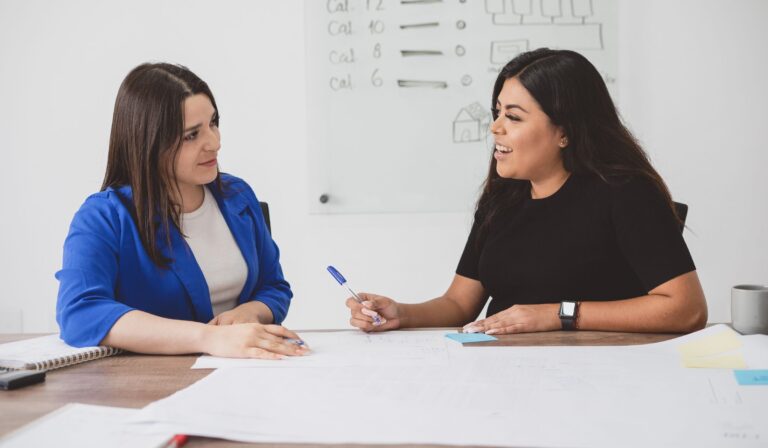
One of my former Title I paras told me many times that what changed everything was feeling respected, valued, and part of a team. The work felt better—and she did better—because we treated each other like colleagues, not “helper” and “boss.” Unfortunately, that had not been experience previously as a paraprofessional in education.
Her comments really stayed with me, and so that idea of respect stays at the center of my training: I correct privately, explain the “why,” and then move on instead of rehashing mistakes. I’m specific with praise so adults know exactly what to repeat, and I avoid piling on feedback so people don’t shut down.
I model the same tone with adults that I want them to use with students: neutral face, calm voice, steady body language. Students read our nervous system before they hear our words—and so do staff. When paras experience calm, fair treatment from me, it’s easier for them to mirror that calm, fair treatment with students.
I go over the daily schedule and key classroom systems (for example, our level system), plus the student’s BIP(s) and the accommodations they’ll help implement. We walk through the “why” behind each plan and define what “enough help” looks like—and where help stops so it doesn’t turn into doing the work for the student. As situations arise, I explain other tools or techniques they may not have seen before. We’re not guessing; we’re reading the same page and then talking it through.

While access to at least parts of some of the documents is important to the success of a paraprofessional in education, they are also confidential and must be handled that way from day one. BIPs, IEP pages, and any student records are stored in a locked location when not in use; they are not taken home, left out, or tossed in recycling.
If a para needs to reference a document during the day, it gets returned to its spot immediately after. We don’t put names/diagnoses on open channels, we keep hallway talk light, and we never share student info on personal devices or social media. If you’re unsure what’s okay to share or where something belongs, ask me first.
Right after we review plans, I have them observe. I model what I want them to see in real time, explaining on the fly—how I cue, how long I wait, what I avoid saying, where I stand. As they feel comfortable, they jump in for small parts, and I give quick, low-key feedback in the moment. There’s no strict script or long debrief; it’s practical and doable.

I set clear expectations using what I will do and what a student will earn or not earn based on their choices. I’m not telling them what they have to do; I’m naming the path and letting them choose it. That keeps dignity intact and avoids power contests. You’ll hear language like, “I’ll open the game center for you once this part is done,” or, “Finishing this row now means you’ll earn the full break.” There are real consequences—positive and negative—but the control stays with the student.
Something important to remember is that, although there are consequences, missing lunch is never one of them. I’ve taught students who would rather skip a meal than give in to an ultimatum, and we are not creating that situation. Withholding lunch is also a fast way to end up on the evening news (not in a good way) and invite complaints or legal trouble.
As an example, instead of saying, “You must finish before lunch,” I train paraprofessionals in education to say, “You can finish now or after recess; finishing now means you’ll have the full break.” I model this language for paras so that they can use it as well.

I keep sentences short and concrete so I don’t overload the student or open a debate. Too many words can raise anxiety, create confusion—especially for students with language-processing needs—and invite arguing because there’s more to push against. One sentence, then a pause, beats a paragraph. Examples I use: “Start the first row; I’ll check back,” or “Please sit here quietly; we’ll talk after the timer.” After I model it in the moment, I explain to the para why trimming language reduced pressure.
When the expectation is known, I use a simple sequence: gesture or visual, real wait time, then a brief verbal prompt only if needed. The length of that pause matches the learner—some students need a few seconds; students with processing differences or behavioral concerns may need 30–60 seconds, and in rare cases up to two minutes. Depending on the student and the situation, I may sit nearby to provide quiet proximity or I may step away, do something else, and check back so the student has space without an audience.
I model these choices for the paraprofessional in education and explain why I used that approach for that specific student. If it turns out the student doesn’t know the expectation, I reteach it briefly, then have them restate the expectation in their own words to show me they understand. In practice: I prompt when I’m confident they know it; I reteach when they don’t.

I use questions when I want the student to access what they already know, plan a next step, and consider the outcomes of their choices. Short, neutral prompts work: “Where will you find that?”, “What’s your next step?”, “Show me where it says that,” “What did you try?”, and “What will you earn if you finish this part now?” Sometimes you have to be willing to wait past the first “I don’t know.” A calm pause, or a scaffold like “What part do you know?” or “Pick one of these two to start,” helps the student move from avoidance to action.
During escalating behavior, I keep questions minimal and pair them with the clear choices and simple language we use elsewhere so things stay calm. I model this with the student and then debrief privately with the paraprofessional in education so they understand both the timing and the purpose.
Most behavior support is quiet and preventive. We keep a neutral face, a calm voice, and body language that gives reasonable space because students read tone before they process words. Small moves do a lot of work: adjust proximity, give one short direction, build in real wait time, and offer a simple choice that preserves dignity instead of drifting into a back-and-forth.
If behavior rises, we keep it predictable—add a little distance, drop the extra talk and any “why” questions, and remove the audience when possible. Once things are calm, we do a brief repair and return to routine. I share a framing I value: aim for every student to believe they are your favorite—maybe not every minute, but it keeps interactions warm, fair, and steady.
We use one script: “I need some support in room ___.” We don’t say student names on a walkie or intercom; if someone presses, we use initials. I teach where to stand during transitions and what to avoid in tight spaces so everyone stays safe, and I’d rather staff call early than wait too long.
It’s also okay to tap out—if something gets under your skin or you feel you’re not at your best, ask for a brief hand-off and say it right away. Hand-offs are quiet and respectful; we don’t undercut anyone in front of students. After things are calm, we do a short repair, note what worked, and get back to instruction.

I show where the point sheets live for each student and how we use them throughout the day. Any adult working with any student can add a quick note—positive or negative—and tally marks when applicable, because we want a complete picture, not one person’s view. We aim for at least one meaningfully positive note per student per day; many families have heard years of negative updates, and balanced documentation matters. Notes stay short and concrete—what happened, what you tried, what happened next—so we can act on them the same day. I model what “meaningfully positive” looks like so entries are useful, not vague.
I’d love a weekly 30-minute para meeting and we try for it, but most often a paraprofessional in education is paid for only a few minutes before buses roll in. Because of that, I plan for quick check-ins across the day—two minutes while we wait for buses, sixty seconds in the hallway, a short end-of-day touchpoint. Short, frequent, and specific beats long and rare, especially at the start. These micro-touchpoints are where most coaching happens—brief, private, and tied to what just happened.

As training takes hold, I look for three early signals: paras ask clarifying questions because they know questions are welcome; they remember the schedule and procedures and follow them mostly on their own; and their talk with students stays calm and respectful, even when things wobble, because they understand that quiet moves—short directions, a real pause, a simple choice—are part of the job, not a sign of doing nothing.
By week two growth in a paraprofessional in education usually shows up in the data: fewer extra prompts, cleaner notes on the point sheet, and steadier follow-through on plans. Those are small indicators, but they point to real growth. Over time, you’ll also notice more student independence as adults fade help at the right moments and hold the line where support stops.
Before a para starts, or anytime I start to feel frustrated or like they aren’t meeting my (possibly unstated?) expectations, I try to clarify for myself what exactly it is that I am hoping for from them. Again, if it isn’t clear to me, it isn’t going to be clear to paras in my room. Here are just a few that I ask myself.

The goal isn’t adult convenience; it’s student access and independence. When training is clear, calm, and respectful, a paraprofessional in eduation is able to learn the role faster and with confidence. They know when to step in, when to wait, and how to keep dignity intact. I bring the plan and the modeling; they bring curiosity, questions, and care for kids—that’s the partnership. As that steadies, students take more ownership and the room runs on purpose instead of guesswork. More time for learning, less time guessing.


Support your classroom paraprofessionals with this simple, ready-to-use First-Day Essentials handout designed to help them feel confident and prepared from the start. Inside, you’ll find clear guidance on their role, what to watch for, and how they can effectively support students on Day One.
This printable resource includes quick dos and don’ts, a customizable teacher note, and an editable version so you can personalize it for your team.
Sign up now for instant access and start building stronger, more confident classroom support from the very first day.
Don’t miss out—join our community today!

Set your classroom paraprofessionals up for success with this quick-start guide for Day One.
Clarify expectations in areas like:
supporting student participation
observing routines and behavior strategies
understanding the role of a para in your classroom
…so they feel confident, prepared, and ready to support your students.
Sign up now for instant access to this printable (and editable!) resource—perfect for building strong team collaboration from the very beginning.