If you’ve worked as a paraprofessional for any length of time, you’ve probably been asked to do everything from leading small groups to covering a whole classroom while the teacher “steps out for a minute.” Some days it feels like you’re expected to be a behavior specialist, an instructional aide, a personal care provider, and a mind reader — all rolled into one. No wonder there’s confusion about paraprofessional job responsibilities.
So let’s clear it up. What does a paraprofessional do in education? Just as importantly, what isn’t part of your role?
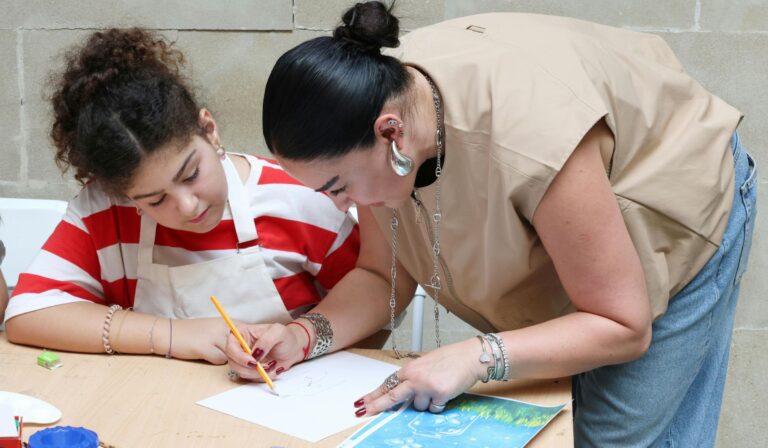
Paraprofessionals play a vital role in schools. You are the extra hands, eyes, and heart that help students succeed. On any given day, you might be working with a small group to review yesterday’s lesson, guiding a student through a behavior support plan, or helping with mobility and personal care needs. You might be jotting down data for IEP goals, encouraging independence in daily routines, or helping to keep a classroom running smoothly so students can focus on learning.
None of this makes you “less than” the teacher. It makes you a partner in the process of education. A strong paraprofessional ensures that no student falls through the cracks, and that classrooms have the support they need to function at their best.

Let’s be clear: a paraprofessional is not the teacher of record. Students are supposed to get their direct instruction from a licensed teacher. Your role is to reinforce and supplement that instruction, not to replace it.
Here’s the honest part. There are duties that many paras don’t love but that are legitimately part of the job. Supporting students with toileting, managing challenging behaviors, or reviewing material with a small group may not always be glamorous, but these responsibilities are part of the role.
At the same time, there are situations where the expectations go too far. I’ve seen classrooms where the teacher regularly sits at their desk with one student while the paraprofessional is left to deliver new instruction to the entire class. I’ve seen paras asked to plan lessons or create curriculum for “their” student. These aren’t one-off emergencies — they’re ongoing practices that cross the line. Paras are not trained, licensed, or compensated to take on the role of the teacher.
So what happens when you find yourself being asked to do something outside your role, or something that feels unethical because you’re not qualified? The key is to remain professional, respectful, and clear. A good first step is to go directly to the teacher and ask for clarification. You might say:
If the issue continues, bring it to the case manager or administrator. And if your district’s union includes paraprofessionals — which is not always the case — they can often provide guidance and support as well. The important thing is that you don’t have to simply accept inappropriate responsibilities. You can set boundaries in a professional way.

Of course, the reality is that not every school environment is the same. In healthy schools, staff can have open conversations when something isn’t working. Teachers and paras alike can set boundaries, problem-solve together, and adjust expectations without fear of backlash.
But not all schools operate that way. I’ve also worked in buildings where the person piling extra duties onto paras was best friends with the assistant principal. In that environment, speaking up didn’t get anyone very far.
That’s why it’s important to read your environment. If you’re in a setting where leadership is supportive, advocacy makes sense. But if you’re in a toxic environment where speaking up will only put a target on your back, it may be healthier to look for a change of placement — whether that’s working with a different student, moving to a different classroom, or even considering a different school or district.

Clear expectations, solid paraprofessional training, and good communication make all the difference. When everyone understands the role, paras can do their jobs confidently and effectively.
If you’re a paraprofessional, take time to learn your role, ask questions when you’re unsure, and advocate for yourself when the lines get blurry. You deserve to work in a setting where you can do your job well and feel valued while doing it.


Support your classroom paraprofessionals with this simple, ready-to-use First-Day Essentials handout designed to help them feel confident and prepared from the start. Inside, you’ll find clear guidance on their role, what to watch for, and how they can effectively support students on Day One.
This printable resource includes quick dos and don’ts, a customizable teacher note, and an editable version so you can personalize it for your team.
Sign up now for instant access and start building stronger, more confident classroom support from the very first day.
Don’t miss out—join our community today!

Set your classroom paraprofessionals up for success with this quick-start guide for Day One.
Clarify expectations in areas like:
supporting student participation
observing routines and behavior strategies
understanding the role of a para in your classroom
…so they feel confident, prepared, and ready to support your students.
Sign up now for instant access to this printable (and editable!) resource—perfect for building strong team collaboration from the very beginning.