You’ve probably had a student who seems to have something negative to say about everything.
You give directions, and before you even finish, you hear a sigh.
“This is boring.”
“This is stupid.”
“Why do we have to do this?”
Student complaining can show up in a lot of ways, but the pattern is usually the same. It doesn’t matter if it’s a worksheet, a group activity, or even something that is usually considered fun. The reaction is immediate, and often negative.
Sometimes it is quiet—grumbling under their breath while they still complete the work. Other times, it is constant and loud, pulling attention away from the lesson and bringing the overall mood of the class down. In some classrooms, it can even start to spread. Students who were engaged begin to question things, disengage, or join in.
This kind of response is not limited to one setting either. Classroom teachers, specials teachers, and even librarians see it. Students may decide before the activity even starts that it is going to be “dumb,” checking out before they have given it any real chance at all.
In some cases, students have become so used to being entertained that they expect everything to feel engaging right away. When it doesn’t, their default response is to dismiss it. Over time, these patterns can turn into what we would describe as a more consistent negative attitude in the classroom—where students expect not to like things and respond that way before they even begin.
(As an Amazon affiliate, I earn a small commission if you purchase products through the links on my posts. Thank you for your support!)

A positive attitude in the classroom does not mean a student is always happy or excited.
It means a student is able to:
In simple terms, the meaning of a positive attitude is not about liking everything—it is about responding in a way that allows learning and participation to happen. Students do not have to enjoy every activity. That is not realistic in school or in life. What matters is how they respond when something is not their preference.
A student with a more productive outlook might still think, “I don’t want to do this,” but keep that as an inside thought and move forward. A student who struggles in this area often reacts outwardly right away—complaining, shutting down, or dismissing the task before even trying. Students who consistently show these patterns are often demonstrating ongoing negative attitudes, not just occasional frustration.
Over time, this can become a habit.
I once had a parent tell me that it was written into her child’s IEP that every assignment had to be made fun. It wasn’t—but it led to an important conversation. Not everything we do as adults is fun, but it still needs to be done. That expectation—that everything should feel entertaining—can shape how students approach school. When something doesn’t meet that expectation, it gets dismissed instead of attempted.
Helping students build a more positive outlook isn’t about making everything fun. It’s about helping them respond in a way that allows them to participate and learn.

Developing a positive attitude in students has a direct impact on both learning and relationships.
Students who consistently respond with negativity often disengage more quickly, avoid challenging tasks, and influence the tone of the classroom. Even one student’s constant complaining can begin to shift how others view an activity. When negative attitudes become consistent, they don’t just affect the student—they begin to impact the entire classroom environment.
On the other hand, students who develop a more positive or productive outlook are more likely to stay engaged, attempt tasks even when they are difficult, and build stronger relationships with peers and teachers.
One of the biggest benefits of a positive attitude is that it allows students to keep going even when something is not their first choice. It also helps them develop important life skills like persistence, flexibility, and the ability to handle frustration.
Just as importantly, it affects the classroom environment. Negative attitudes can spread quickly—but so can positive ones. When students learn to manage their reactions, it helps the entire group function more smoothly.

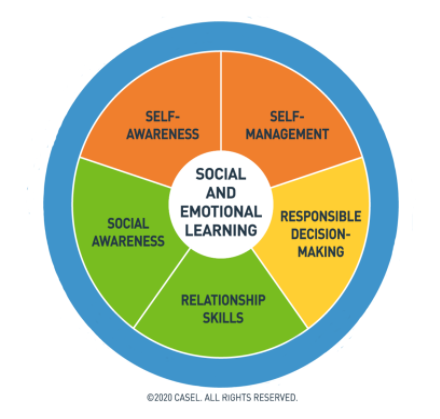
Developing a positive attitude connects directly to several of the CASEL competencies.
Self-Awareness
Students learn to recognize their automatic thoughts, especially negative reactions like “this is boring” or “this is stupid.”
Self-Management
Students practice adjusting their responses, even when they feel frustrated or uninterested.
Social Awareness
Students begin to understand how their attitude affects others and the overall group.
Relationship Skills
Students learn to participate in a way that supports the group instead of bringing it down.
Responsible Decision-Making
Students consider how their response impacts their learning and their relationships. This is not just about attitude—it is about helping students function more successfully in a group setting.
To learn more about the CASEL 5 Social-Emotional Competencies, read this blog post. You can also visit their site here.
Negative attitudes can show up in different ways depending on the student. Some students:
Others may still complete the work, but do so while sighing, arguing, or making it clear they are unhappy the entire time.
Looking at these negative attitude examples can help students recognize when they are falling into similar patterns—and begin to shift how they respond.
Students need a clear distinction between preference and expectation. A lot of these struggles come from students believing that if they don’t like something, that should be enough to get out of it. That is not how school works, and it is not how life works.
You might say:
You can acknowledge how they feel while still holding the expectation:
This helps avoid power struggles while keeping expectations clear.
Some students need explicit instruction that not every thought should be said out loud.
I once told a student he could think whatever he wanted—even swear in his head—but those thoughts needed to stay inside. That actually helped him regulate what he said out loud.
You might say:
Some tasks are practice for skills students will need later. Other tasks are practice in learning how to stay focused, push through, handle frustration, and learn how to learn.
You can say:
For some students, negativity becomes automatic.
A simple prompt can help:
Negative attitudes can spread quickly.
If it begins affecting others, address it directly:

One of the most effective ways to teach this skill is through guided discussion and reflection using situations students can relate to.
Have students look around the room and find everything that is red. Give them time to focus.
Then have them close their eyes and try to name something yellow.
Most students struggle because they were not looking for yellow.
This leads to a discussion about focus. What we look for is what we notice. If students are always looking for what is boring, unfair, or frustrating, that is what stands out.
Looking at negative attitude examples can help students recognize these patterns in their own thinking.
Present a scenario (correction, assignment, group work).
Compare:
Discuss:
Guide students to:
This helps move beyond “be positive” into more realistic thinking.
Students create their own situation and apply the same process.
This increases relevance and ownership.
Students track positive moments over several days.
Then reflect:
Fix Your Dragon’s Attitude is a strong read-aloud for this topic because it makes negative thinking patterns visible in a way students can easily recognize.
As you read, students will likely notice that the dragon reacts quickly, assumes the worst, and focuses on what is going wrong instead of what is going well. These are the same patterns we often see in students who struggle with negative attitudes or constant complaining.
Pause during the story to guide discussion:
This helps students begin to separate the situation from the reaction.
You can also ask:
These questions help students understand that while they cannot always control what happens, they can control how they respond. By the end of the story, students can reflect on how a shift in thinking changes not only behavior, but the entire experience. That connection makes the concept of a positive attitude more concrete and meaningful.

Helping students develop a more positive attitude is not about forcing them to feel a certain way or pretending that every activity is enjoyable.
It is about helping them recognize their reactions, adjust how they respond, and approach situations in a way that allows them to participate and learn. When students begin to understand that they can think something without saying it, try something without liking it, and respond respectfully even when they are frustrated, it changes how they experience school.
Over time, that shift does more than improve behavior in the moment. It supports stronger relationships, a more positive classroom environment, and a greater ability to handle challenges—both in school and beyond.
Students may also benefit from seeing how a character’s attitude affects the way they respond to disappointment, frustration, and everyday problems. These books about developing a positive attitude can support conversations about flexible thinking without dismissing the student’s genuine feelings.


Support your students’ individual needs with our exclusive Classroom Concerns Checklist. Identify patterns in areas like cognitive skills, communication, social/emotional behavior, and more.
Sign up now to receive instant access and valuable insights on addressing classroom concerns.

Support your students’ individual needs with our exclusive Classroom Concerns Checklist.
Identify key concerns in areas like:
…and more to help drive collaboration and problem-solving.
Sign up now to receive instant access and valuable insights on addressing classroom concerns.
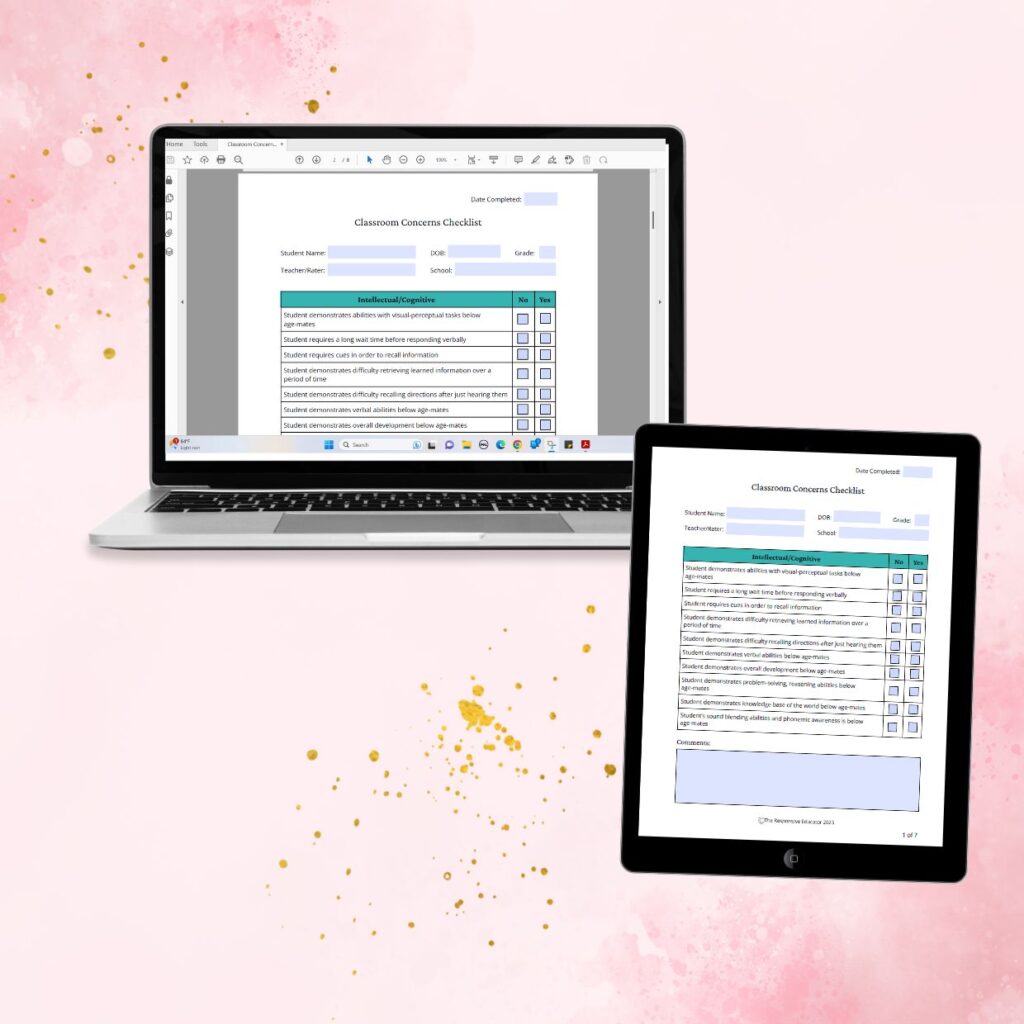
When a student is struggling, it can be difficult to know what information matters or what to look at next. The free Classroom Concerns Checklist can help you organize what you are seeing, identify patterns, and decide what information your team may need.