Helping students persevere is not about pushing them endlessly or expecting them to “just try harder.” In real classrooms, perseverance shows up in complex ways—sometimes loud and obvious, sometimes quiet and easy to miss. Students who struggle to persevere may shut down, rush through work, avoid asking for help, or become overwhelmed by frustration or fear of failure.
Perseverance is a skill that develops over time. Like any other skill, it needs to be taught, modeled, supported, and gradually strengthened. When we treat perseverance as something students either have or don’t have, we miss opportunities to build confidence, resilience, and long-term learning habits.
Perseverance is the ability to stay engaged with a task even when it feels challenging, uncomfortable, or frustrating. In the classroom, this often looks less like heroic grit and more like quiet, everyday choices to keep going with support. Teachers may see perseverance break down in different ways:
Some students openly ask for help. Others will acknowledge they need help only if approached. Some won’t admit it at all, requiring teachers to diagnose understanding through observation and conversation rather than direct requests. Understanding how perseverance breaks down helps teachers respond with instruction instead of pressure.
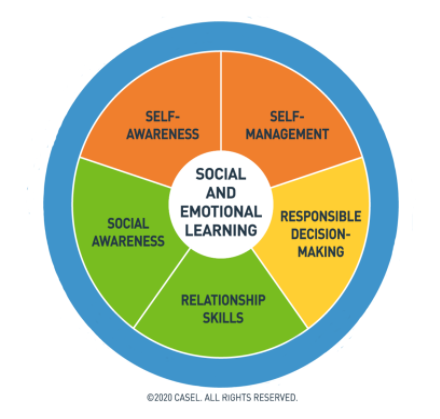
Perseverance draws on multiple social-emotional skills at the same time, which helps explain why it can be so difficult for some students—especially when learning feels hard or emotionally charged.
Self-awareness plays a role when students notice that they are feeling frustrated, discouraged, or tempted to quit. Many students experience these feelings before they have the language to name them, which can lead to shutdown or avoidance instead.
Self-management becomes essential when students need to regulate those emotions enough to stay with a task. Perseverance requires managing frustration, using coping strategies, and returning to learning after a mistake or setback.
Responsible decision-making is involved when students choose whether to continue trying, ask for help, use available tools, or take a break with a plan to return. These decisions are often happening in the moment, under stress.
Social awareness and relationship skills come into play when perseverance involves working with peers, accepting feedback, or risking being wrong in front of others. Fear of embarrassment or negative peer reactions can significantly impact a student’s ability to persist.
When students struggle with perseverance, it is often because one or more of these underlying competencies still needs support. Viewing perseverance through a CASEL lens helps educators move away from labeling students as unmotivated or oppositional and toward intentionally teaching the skills that allow students to stay engaged, recover from setbacks, and keep going.
To learn more about the CASEL 5 Social-Emotional Competencies, read this blog post. You can also visit their site here.
Students are often labeled as “not persistent” or “quick to give up,” but perseverance is not a fixed trait. It is built from several underlying skills, including attention, emotional regulation, confidence, and task understanding.
A student who avoids work may:
When we view perseverance as a skill, the focus shifts from compliance to capacity-building. Instead of asking, Why won’t this student try? we ask, What support will help this student stay engaged right now?

Perseverance is not the same as compliance.
Perseverance does not mean:
Perseverance does mean:
Just as adults have limits when tired, frustrated, or defeated, students do too. Teaching perseverance includes teaching students how to pause, reset, and re-engage—rather than quitting or melting down.

When students struggle, teachers first need to understand where learning is breaking down. Asking questions like:
These questions reveal understanding without putting students on the spot. This allows teachers to decide how much independence is realistic and how to stretch it gradually.
Support is not a failure—it’s a bridge. Teachers can:
As confidence grows, support is reduced. Perseverance strengthens when students experience success after supported effort.
Some students resist productive struggle and wait to be rescued. Others truly need help to move forward. Teachers balance this by:
Struggle is productive only when students know support is coming.
Teacher language matters. Instead of focusing on speed or perfection, effective language includes:
Mistakes are normalized, not minimized. Students learn that effort is expected, not flawlessness.
When students make progress—even partial progress—teachers pause to reflect:
This reflection builds internal motivation and helps students recognize strategies that work.

Picture books provide a safe way to explore perseverance without putting students on the spot. One strong option is The Thing Lou Couldn’t Do by Ashley Spires. Lou’s hesitation, frustration, and eventual willingness to try again mirror what many students experience in the classroom.
After reading, teachers might ask:
Books allow students to talk about perseverance at a distance—making it easier to connect to their own experiences later.
Goal: Help students identify where struggle happens and how to respond.
Students choose a recent challenge and map:
This can be written, drawn, or discussed.
Goal: Teach students what to do before quitting.
Create a simple plan together:
Keep plans accessible at desks or in folders.
Goal: Build awareness of effort-based strategies.
After completing a task, students identify:
This reinforces that perseverance is active, not passive.
Goal: Build stamina gradually.
Students work for a short, defined time (2–5 minutes), then reflect:
Stamina grows through small, successful stretches.
Goal: Reduce fear of being wrong.
Teachers model mistakes openly and talk through corrections. Students then practice:
This reframes mistakes as part of learning.
Goal: Build internal motivation.
Students reflect weekly on:
Younger students can draw or dictate responses.

Perseverance grows best in classrooms where students feel safe to try, fail, pause, and try again.
Perseverance is built when students learn that effort matters, support is available, and mistakes are part of learning—not signs of failure. When teachers combine patience, structure, and reflection, students develop the confidence to stay engaged even when learning feels hard. Over time, perseverance becomes less about “pushing through” and more about knowing how to keep going.
Read-alouds can help students see that perseverance does not mean a task always feels easy or that they must struggle without support. These books about perseverance provide examples of characters working through challenges, using strategies, accepting help, and continuing toward a goal.

Supporting students with diverse needs can feel overwhelming, especially when you’re trying to pinpoint where challenges are really coming from. The Classroom Concerns Checklist helps you organize your observations and identify patterns across areas like cognition, communication, and social-emotional behavior.
By walking through key skill areas in a structured way, this checklist makes it easier to clarify concerns, guide next steps, and have more productive conversations with your team.
Sign up to get instant access and start using the checklist right away.

Support your students’ individual needs with our exclusive Classroom Concerns Checklist.
Identify key concerns in areas like:
…and more to help drive collaboration and problem-solving.
Sign up now to receive instant access and valuable insights on addressing classroom concerns.

When a student is struggling, it can be difficult to know what information matters or what to look at next. The free Classroom Concerns Checklist can help you organize what you are seeing, identify patterns, and decide what information your team may need.