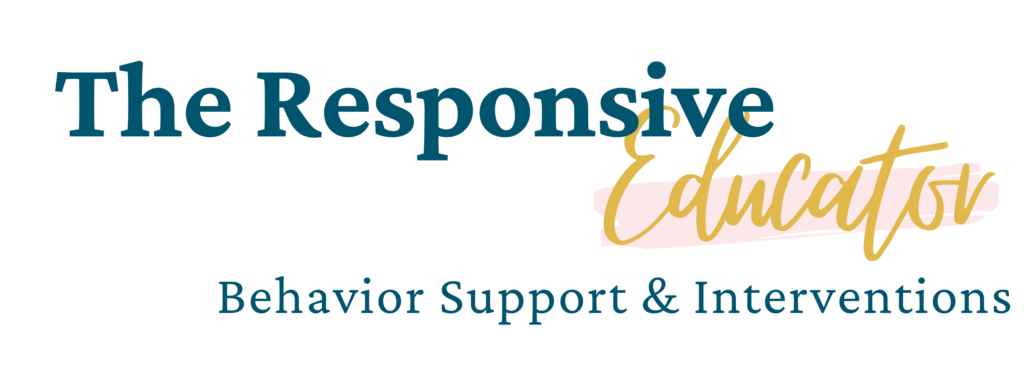
Some students enter a classroom ready to tell everyone about the show they watched, the song they love, or the project they worked on over the weekend. Others carefully study the people around them before revealing anything about themselves. They may have strong interests, thoughtful opinions, and abilities their teachers rarely see because being noticed feels too risky.
These students may avoid raising their hands even when they know the answer. They may hesitate to ask questions, participate in unfamiliar activities, or wear something that could attract attention. Some speak quietly, keep their eyes down, hunch their shoulders, and choose clothing that seems designed to help them blend into the background. They are not necessarily uninterested or lacking ideas. They may be trying to protect themselves from rejection.
I saw this clearly in one of my foster sons when he first came to live with us. He was a tall boy, but he walked with his shoulders hunched and his eyes lowered, as though he wanted to disappear into himself. There were difficult things happening in his life that had taught him it was safer not to be noticed. Other children may not have the same experiences, but they can still become highly sensitive to signs that someone dislikes them or disapproves of their choices.
That fear often becomes more visible as children become increasingly aware of social hierarchies. A student may like a shirt, hairstyle, show, or type of music until another child quietly says, “That isn’t cool,” “You’re really wearing that?” or “You actually like them?” The words may sound small to an adult, but they can communicate a much larger message: Who do you think you are?
Once children begin anticipating that response, they may hide harmless parts of themselves before anyone has the opportunity to criticize them. They stop mentioning what they enjoy, avoid trying out for activities, change their opinions to match the group, or pretend not to care about something that matters to them. They may also follow peers into choices that conflict with their values because being accepted feels more urgent than being authentic.
Telling these students to “just be themselves” is not enough. They may already know what they like and still be afraid of what will happen if other people know. They need adults who create emotionally safe environments, take their interests seriously, help them recognize genuine strengths, and teach them how to respond when someone tries to use a difference against them.
Confidence is not believing everyone will approve of you. It is becoming secure enough in your interests, strengths, values, and choices that another person’s disapproval does not automatically make you shrink or change.
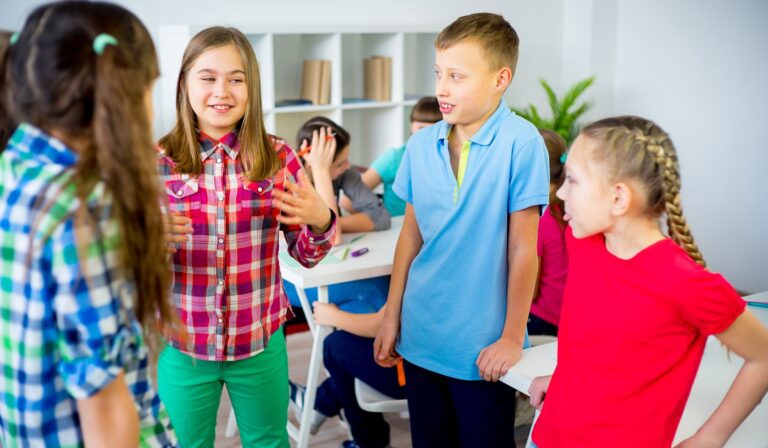
Before helping a child become more confident, adults need to separate insecurity from personality. Some children are naturally quiet. Some prefer one close friend to a large group, need time before joining an activity, or enjoy spending recess reading instead of playing a game. Those preferences do not automatically represent a social or emotional problem.
I once worked with a student who loved to take a book outside during recess. When he began transitioning from my classroom into a general education setting, his teacher wanted him to leave the book inside because she believed he needed to play with the other children. Her intention was understandable, but taking away the book would not have created friendship. He likely would have walked around without interacting while also losing the activity that allowed him to decompress.
Reading was not preventing him from being himself. Reading was part of who he was.
When adults repeatedly push a quiet child to talk more, join everything, or perform outgoingness, the child may receive the message that their natural way of interacting is unacceptable. That can weaken confidence rather than build it. The goal is not to turn introverted students into extroverted ones. It is to help students feel secure in who they are while developing the skills they need to participate, communicate, seek support, and build healthy relationships.
Teachers should pay attention to whether a child is content with a quieter preference or avoiding experiences they genuinely want because they are afraid of judgment. A student who happily reads at recess may not need intervention. A student who desperately wants to join a game but remains on the edge because they expect rejection may need support. The behavior can look similar from a distance, but the needs underneath it are very different.
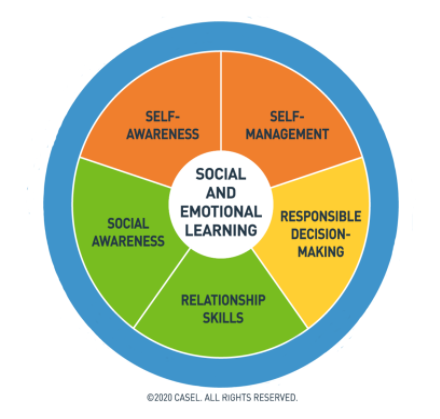
Learning to be yourself connects to all five CASEL social-emotional competencies, although self-awareness, self-management, and responsible decision-making are especially important.
Self-awareness helps students identify their interests, values, emotions, strengths, and areas for growth. Children need language for understanding who they are before they can make confident choices about how they want to act. Healthy self-awareness does not require them to believe they are talented at everything. It includes recognizing both competence and difficulty without allowing either one to define their entire worth.
Self-management helps students tolerate the discomfort that can come with being visible. A child may know they like a certain activity and still feel anxious about admitting it. They may need to manage the urge to hide, become defensive, or abandon their choice as soon as someone reacts negatively. Confidence grows when students learn that discomfort is manageable and does not always mean they have made the wrong decision.
Social awareness allows students to recognize that other people have different interests, preferences, backgrounds, and ways of expressing themselves. Students do not have to enjoy what someone else enjoys, but they are still responsible for treating that person respectfully. Social awareness also helps children consider how comments about another person’s clothes, abilities, interests, or identity may be received.
Relationship skills include responding to disagreement, setting boundaries, handling teasing, seeking support, and communicating without attacking others. Students need more than a reminder to ignore unkind comments. They benefit from practicing calm responses, deciding when to disengage, and recognizing when an adult needs to become involved.
Responsible decision-making helps students evaluate feedback instead of treating every opinion as equally important. They can learn to ask whether the information is relevant, whether the person is trying to help, and whether the source is someone whose judgment they should consider. These questions help students remain open to useful guidance without allowing every peer opinion to control their choices.
Together, these competencies help children build a balanced kind of confidence. Students learn to value who they are, consider feedback thoughtfully, make choices that reflect their values, and remain responsible for how those choices affect other people.
To learn more about the CASEL 5 Social-Emotional Competencies, read this blog post. You can also visit their site here.
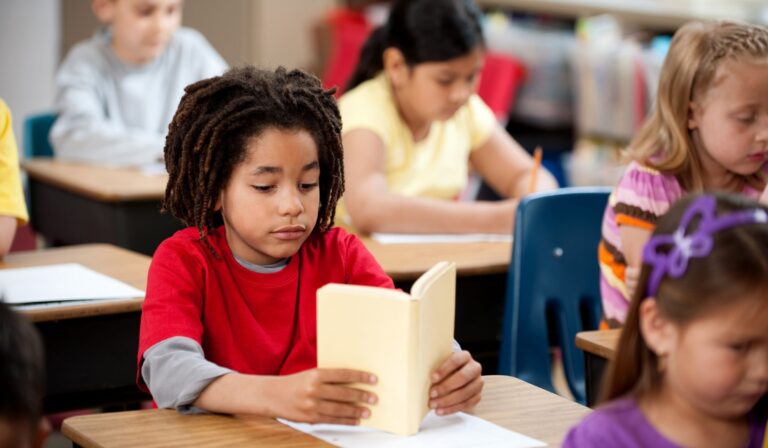
Students cannot show what they know if they are too afraid to be wrong. A child may understand a concept but avoid raising their hand because answering incorrectly in front of peers feels unbearable. Another student may refuse to try a new activity because struggling publicly would threaten the image they are trying to maintain.
When students feel safer being seen, they become more willing to ask questions, contribute ideas, attempt unfamiliar work, and learn from mistakes. Confidence does not guarantee that they will always feel comfortable. It helps them act even when some discomfort remains.
Children who depend heavily on peer approval may change their opinions, interests, and behavior based on whoever has the most social influence. In more serious situations, they may participate in teasing, break rules, or abandon personal values because disagreeing with the group feels too risky.
Students who understand what matters to them are better prepared to make independent decisions. They can listen to peers without automatically following them. This does not mean they will never make poor choices or feel pressure. It means they have a stronger internal foundation from which to decide.
Criticism is part of life. Students will encounter corrections from teachers, feedback from coaches, disagreements with friends, and opinions from people who do not understand them. The goal cannot be to protect children from every negative response.
Instead, students need to learn that criticism is information they can evaluate. Some feedback will help them grow. Some will reflect another person’s harmless preference. Some will be intended to provoke, embarrass, or diminish them. Learning to tell the difference allows students to remain teachable without becoming controlled by every outside opinion.
Confidence is sometimes treated as though it means believing you are already excellent at everything. That is neither realistic nor useful. Students can understand their strengths while also recognizing areas in which they need instruction, practice, or support.
Knowing yourself includes being able to say, “Writing comes more easily to me than math,” without turning that observation into, “I am not smart.” It also includes recognizing that a current weakness does not have to remain a permanent limitation. Students can use teachers, tutors, books, examples, technology, and other resources to keep learning.
They do not have to be the best. Learning is not a competition with the person sitting beside them. The most useful comparison is between what they can do now and what they could do before.

Adults often try to build confidence by telling children, “You’re amazing,” “You can do anything,” or “It doesn’t matter what anyone thinks.” These statements are usually well-intended, but they may not mean much to a child who does not believe them. A student who feels unsuccessful in math is unlikely to develop confidence because an adult repeatedly says, “You’re so smart.”
Real confidence needs evidence.
Students build confidence when they solve a problem they could not solve before, use a strength to help someone, recover from a mistake, or take a manageable risk and discover that they can handle the result. They also build it when adults remember their interests, listen to their ideas, and offer authentic opportunities to contribute.
I once worked with a student who sometimes shut down completely. When that happened, I could often help him re-engage by having a computer problem that I “needed his help with.” He was good with computers and enjoyed being useful. Helping me allowed him to experience himself as knowledgeable and competent, which gave him a low-pressure way to come out of the shutdown.
The confidence did not come from my telling him he was great with computers. It came from using the skill successfully in a situation where his knowledge mattered.
Teachers can create similar opportunities by paying attention to abilities that may not appear on a report card. A student who enjoys drawing might contribute an illustration to the class newsletter. A child who is organized might help prepare materials for an activity. A student who knows a great deal about animals, technology, music, building, or books may have knowledge that enriches a lesson or solves a real classroom problem.
These opportunities must be genuine. Children can usually recognize when an adult has invented a meaningless job because they feel sorry for them. Authentic responsibility communicates trust. A pity assignment communicates that the student needs adults to manufacture importance for them.
Confidence grows slowly through competence, contribution, connection, and manageable risk. Students can learn body language and calm responses that help them appear less vulnerable while that deeper confidence develops. However, they cannot simply decide to feel secure because an adult tells them they should.
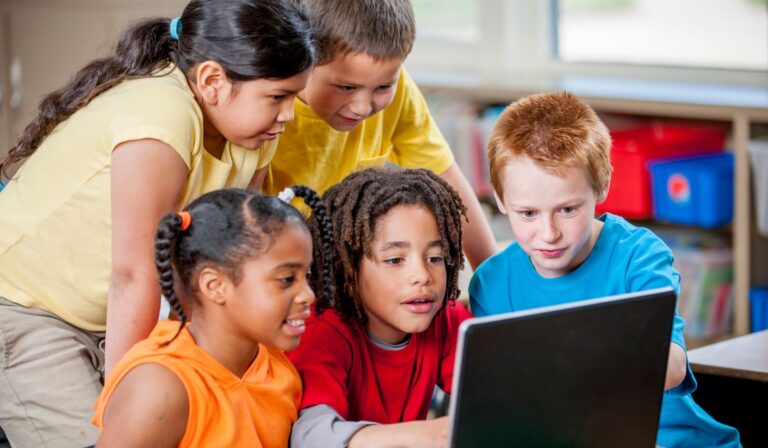
Quiet students are easy to overlook because they do not create urgent problems. Teachers may spend most of their time responding to students who demand attention, interrupt instruction, or need frequent redirection. Meanwhile, the student who rarely speaks may complete the day without a meaningful interaction with an adult.
Make a point of asking quiet students real questions about their interests. Remember their answers and follow up later. If a student mentions a game, book, animal, musician, or hobby, learn enough to ask another question the next time you talk. The message is not merely, “I am being nice to you.” It is, “I listened, remembered, and believe that what matters to you is worth knowing.”
These conversations should remain natural and private. Publicly announcing a shy child’s interest or repeatedly drawing attention to them can feel more exposing than supportive. The goal is to help the student feel seen, not displayed.
Some students may benefit from a more predictable way to connect with a caring adult. A thoughtful Check-In/Check-Out system can provide regular opportunities to identify feelings, set a manageable goal, discuss concerns, and reflect on progress. This type of support may be especially helpful for students who rarely initiate conversations, tend to disappear into the background, shut down when something goes wrong, or have inconsistent access to a dependable adult.
Check-In/Check-Out is not necessary for every shy or introverted student, and it should not be used to pressure children to appear more social. Its value in this context is the consistent adult relationship. The student knows there will be a safe time when someone notices, listens, and helps them recognize growth.
Children may struggle to name their strengths, particularly if the abilities that receive the most attention in school are not their strongest areas. Teachers can broaden the definition of competence by noticing creativity, curiosity, patience, observation, humor, persistence, organization, technical knowledge, kindness, and practical problem-solving.
Be specific when you point out a strength. “You are wonderful” is difficult to connect to behavior. “You stayed with that problem even after the first strategy did not work” gives the student evidence of persistence. “You noticed that the materials were not ready and organized them without being asked” gives evidence of responsibility and initiative.
Specific feedback also helps students develop a more accurate view of themselves. The goal is not to convince them that they have no weaknesses. It is to prevent one area of difficulty from erasing every other part of who they are.
Once you recognize a student’s strength, look for natural opportunities to use it. A student who loves to draw might create a small illustration for the class newsletter. A student with technical skills might help troubleshoot a classroom device. A strong reader might recommend a book, while a student who enjoys building could help design a model or organize construction materials.
Adults should be careful not to rely only on the same outgoing, high-achieving students. Charismatic children often receive more opportunities because they volunteer quickly and interact comfortably with adults. Quiet students may have equally valuable abilities that remain invisible because no one asks.
A genuine contribution helps a student experience competence in a social setting. It also gives classmates an opportunity to see the child as someone with knowledge and value. That is far more powerful than asking peers to include the student because the teacher feels sorry for them.
One way to build self-confidence is to help students identify qualities they want to strengthen. Students might choose words such as dependable, brave, patient, creative, kind, honest, curious, thoughtful, or determined. The purpose is not to decide whether they already deserve the label. It is to think about what the quality looks like and begin finding evidence of it in their actions.
A student who chooses “brave” might define it as answering one question even when they are not completely certain. A student who chooses “dependable” might focus on completing a classroom responsibility without reminders. Someone working on determination might identify a time they tried a second strategy instead of giving up.
The student can then keep a private record of evidence:
This activity works best when students choose their own qualities and are not required to share them publicly. The goal is growth, not proving that they embody the characteristic perfectly. Over time, “I want to become someone who is dependable” begins to shift toward “I have evidence that I am dependable.”
Short notes from a teacher can help students collect evidence of their strengths without creating a public performance. A sticky note might say, “I noticed that you asked a clear question even though you seemed nervous,” or “You included someone who did not have a partner today.” These comments are believable because they are connected to something the teacher observed.
Leaving notes for all students keeps the practice from singling out one child as someone who needs extra reassurance. It also encourages the teacher to notice strengths in children who are not naturally attention-seeking. Over time, these small messages help students see patterns in their own behavior that they may not have recognized.
A student who is terrified of judgment should not be pushed directly into giving a presentation about a personal interest. Confidence develops more successfully when the risk is manageable. The student might begin by telling the teacher privately, sharing with one trusted peer, contributing anonymously, discussing the topic in a small group, and eventually deciding whether to share more publicly.
Teachers can also reduce uncertainty for extremely anxious students. Letting a child know ahead of time when they will be called on can allow them to prepare rather than being caught off guard. This would not be necessary or appropriate for every student, but it may help a highly anxious child participate without experiencing public embarrassment.
The goal is gradual growth, not permanent avoidance. Support should give students a way into participation and then expand as they become more secure. It should not force them to prove confidence before they have had opportunities to develop it.

Children often assume that if someone criticizes their choice, they must explain it, defend it, or change it. They may enter a long argument about why their shirt, music, hobby, or idea is acceptable. That gives another person’s opinion far more authority than it deserves.
Students can learn to pause and evaluate the comment:
If someone says, “It is cold outside, so you may want your coat,” that information may be useful. If the person says, “I don’t like your coat,” that is simply a preference. It does not require the student to reconsider wearing it.
As an adult, I have learned not to accept guidance about my choices from people whose choices I do not respect. If I do not want to live, behave, or treat people the way someone else does, their disapproval may not be useful information. Children can begin learning a developmentally appropriate version of the same principle: consider the source before giving an opinion power over you.
My niece was highly sensitive to anyone disliking her or being unhappy with her. As she reached middle school, she began encountering the underhanded comments children sometimes use to test one another. A girl might quietly mock someone’s shirt, shoes, hairstyle, or music—not because the choice affects her, but because she wants to see whether the other person will shrink.
My sister and I spent time coaching my niece through those situations. When someone said she did not like my niece’s shirt, I suggested a simple response:
“Okay. Don’t get one like it, then.”
If someone did not like her music, the response could be:
“Then don’t listen to it.”
Those responses do not insult the other person or start a debate. They simply return the opinion to the person who owns it. Over time, my niece became much better at communicating, “You can make your choice, and I can make mine.”
Other calm responses might include:
Teachers should help students consider which responses are appropriate for their age and the situation. Some comments can be dismissed with a brief response. Others require clarification, disengagement, or adult support. The purpose is not to give students clever comebacks. It is to help them respond without treating another person’s opinion as a command.
Not every uncomfortable comment is bullying, and not every correction should be ignored. Students need practice distinguishing among useful information, constructive feedback, harmless preferences, attempts to provoke, and disrespect that requires adult intervention.
A teacher’s correction about an assignment deserves consideration because the teacher is responsible for instruction. A friend who quietly says, “That joke hurt her feelings,” may be offering important information. A classmate announcing that they dislike someone’s shoes is expressing a preference that does not require action.
Students who are highly sensitive may interpret every disagreement or neutral expression as rejection. Sorting scenarios and discussing possible intentions can help them become more accurate. The goal is not to teach them to dismiss their feelings. It is to help them decide what happened before concluding that someone intended to hurt them.
Students can then match the response to the situation:
This is a skill adults continue using throughout life. We all encounter opinions about our clothing, parenting, work, interests, homes, relationships, and personal choices. Confidence allows us to listen thoughtfully without giving every speaker equal authority over how we see ourselves.

Self-acceptance does not mean every behavior should be accepted because a student considers it part of their personality. Many students respond to correction with, “That’s just how I am,” or dismiss another person’s reaction by saying, “They’re too sensitive.”
Teachers can avoid turning this into an argument about personality by making the behavioral expectation clear:
“The expectation in this classroom is to treat other people respectfully. This is what respect looks like here. These behaviors are considered disrespectful. If you choose to use them, this is the consequence.”
The student does not have to agree that the expectation is necessary before following it. Being yourself means keeping your interests, identity, personality, and values. It does not give you the right to make a shared environment unsafe or uncomfortable for someone else.
Students also do not have to agree with another person’s feelings before adjusting their behavior. They may believe a classmate is overly sensitive, but they are still responsible for meeting the classroom expectation. Authenticity and accountability can exist together.
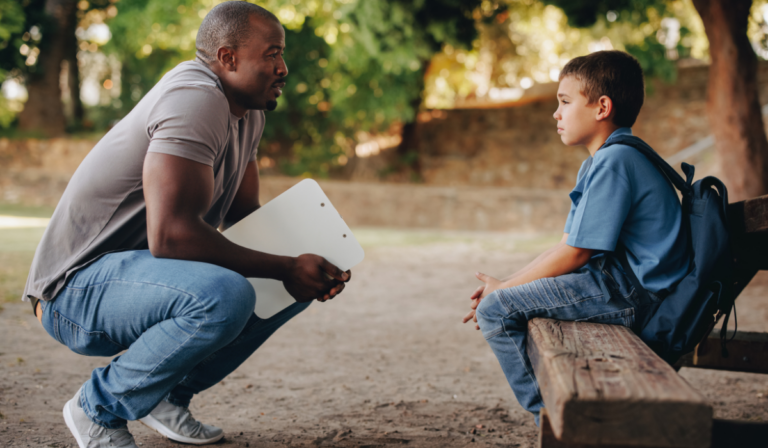
Teachers sometimes try to solve exclusion by requiring students to sit, work, or play together. Carefully planned opportunities for students to interact can be useful, but forced proximity does not automatically create friendship. Pairing a vulnerable student with a child who has already been unkind—or with that child’s friends—may give the group another opportunity to embarrass the student.
Children also notice when a teacher is asking them to include someone out of pity. If the teacher publicly positions a student as someone who needs to be rescued socially, peers may begin treating that child as pitiful. The adult’s desire to help can unintentionally lower the student’s social standing.
Teachers should create structured opportunities for students to discover common interests and work with different classmates, but they must also consider safety, existing dynamics, and the needs of the students involved.
Calling unexpectedly on a highly anxious student, requiring public sharing, or repeatedly telling a child to “come out of their shell” can create more insecurity. If the child answers incorrectly or becomes visibly uncomfortable, the experience may confirm that being noticed is dangerous.
Support does not mean removing every expectation to participate. It means creating a reasonable path toward participation. Advance notice, smaller groups, private rehearsal, written responses, or the option to pass during a sensitive activity can help students practice without being overwhelmed.
Busy teachers naturally respond to the problems directly in front of them. A quiet child who follows directions may receive very little individual attention because other students’ needs appear more urgent. Over time, the child may conclude that being invisible is both expected and necessary.
Quiet students need to feel known without being embarrassed. Brief conversations, remembered interests, specific notes, and dependable check-ins can communicate that the teacher notices them. This relationship may be particularly important for a student dealing with difficult circumstances outside school.
Some socially powerful students are skilled at interacting with adults. They may be funny, confident, helpful, or openly affectionate with the teacher while treating quieter classmates very differently. Teachers need to be careful not to let charm hide cruelty.
Notice who receives extra opportunities, whose explanations are automatically believed, and whose unkind comments are dismissed as jokes. A teacher who appears overly impressed by the “cool” students may unintentionally reinforce the same hierarchy that is making other children afraid to be themselves.
Students benefit from learning calm responses, but those strategies do not remove the teacher’s responsibility to address unkind behavior. If a student laughs at a classmate’s clothes or mocks an interest, the teacher should interrupt the behavior, refer to the classroom expectation, and apply an established consequence when appropriate.
The teacher should observe the targeted student’s reaction rather than assuming they are devastated. Some students may be genuinely unbothered. Others may look calm while feeling hurt. A casual private check-in later gives the student an opportunity to talk without publicly presenting them as a victim.
The student who made the comment should also receive clear private feedback about the expectation going forward. Confidence instruction should never become a reason for adults to ignore bullying and tell vulnerable students to handle it better.
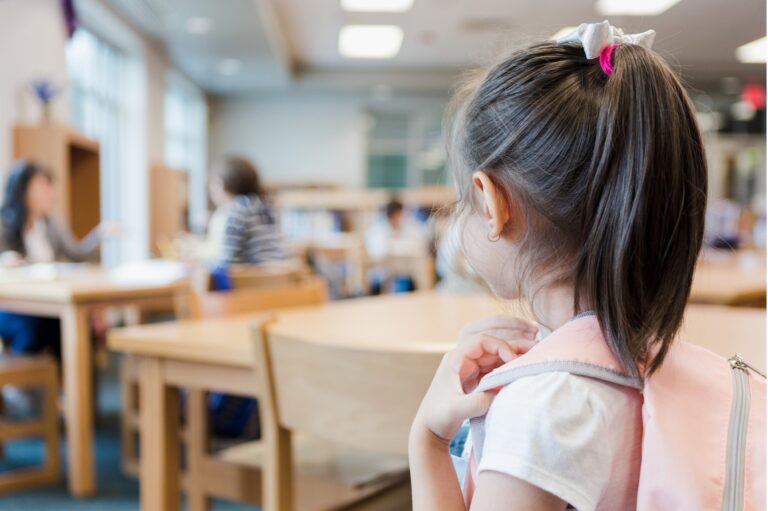
Invite students to identify everyday interests, strengths, preferences, and qualities that matter to them. Prompts might include:
Students should not be required to share every answer. They might keep the page private, share one low-risk item, or discuss it individually with the teacher. The purpose is to help students develop language for understanding themselves, not turn their identities into a public performance.
Have students choose one or two qualities they want to strengthen. They define what each quality looks like in real behavior and begin collecting evidence that they are already moving in that direction.
A student working on courage might record asking a question despite feeling nervous. A child working on responsibility might note completing a task without reminders. A student developing kindness might record noticing that someone needed a partner.
The teacher can help students recognize evidence they overlook, but the examples should remain genuine. Over time, students begin building a view of themselves based on repeated actions rather than generic affirmations.
A “Stand Up If…” activity is a simple whole-class participation game where the teacher reads a series of statements, and students briefly stand if the statement describes them before sitting back down for the next prompt. It’s an engaging way for students to discover both the similarities and differences within their classroom while reinforcing that there is no single “normal” way to think, learn, or spend free time.
Before the activity, give students a short anonymous interest survey. Include questions about hobbies, favorite books, sports, games, music, animals, foods, art activities, learning preferences, or how they like to spend their free time. Review the surveys ahead of time so you can choose prompts that will reveal interesting connections without putting anyone in an uncomfortable position.
During the activity, explain that students should simply stand if the statement is true for them, look around briefly to notice who else is standing, and then sit back down before the next prompt. Remind students that there are no right or wrong answers and that everyone is free to pass if they prefer not to respond to a particular question.
Example prompts might include:
After the activity, discuss both the similarities and the differences students noticed. Ask questions such as:
Emphasize that classrooms are strongest because everyone brings different interests, personalities, and strengths. Confidence grows when students realize they don’t have to like the same things as everyone else to belong.
Many students assume that everyone else thinks, learns, or feels the same way they do. Anonymous preference polls help students see that classrooms are naturally made up of both commonalities and differences, making it easier to appreciate their own preferences without worrying about fitting in.
Prepare several questions related to classroom routines, interests, or learning preferences. Students respond anonymously using sticky notes, index cards, an online polling tool, or another method that keeps responses private.
Questions might include:
Once you’ve collected the responses, display only the class totals. Invite students to study the results before beginning a discussion.
Ask questions such as:
Help students recognize that some interests are widely shared while others are less common—and both are perfectly okay. The goal is not to decide which answers are “normal,” but to help students understand that belonging does not require everyone to be the same.
Thoughtful compliments can help students recognize strengths they may not see in themselves. Unlike general praise, meaningful compliments describe specific behaviors, character traits, or contributions that help students develop a more accurate picture of who they are.
One way to do this is to give each student a class roster and ask them to write one thoughtful compliment for every classmate. Before beginning, model the difference between vague compliments and meaningful ones.
For example, instead of:
Encourage students to write comments such as:
When students finish, collect all of the compliments before anyone receives them. Review each set of comments and select two or three meaningful compliments for each student. Rewrite them so handwriting cannot be identified, and add additional compliments yourself if necessary to ensure every student receives thoughtful, specific feedback.
This process protects students from comparing the number of compliments they receive while ensuring that every child leaves with meaningful observations about their strengths.
As an added benefit, reviewing the compliments gives you valuable insight into classroom relationships. If one student consistently receives very few genuine compliments or classmates struggle to identify positive qualities, it may signal that the student is feeling isolated or having difficulty connecting with peers. That information can help guide future classroom community-building activities.
After distributing the compliments, invite students to reflect on which comment surprised them most and why. Discuss how confidence grows when we begin noticing the positive qualities others already see in us.
Confident people do not believe every opinion they hear, nor do they ignore all feedback. Instead, they learn to evaluate comments and decide which ones deserve their attention. This activity helps students practice that important decision-making skill.
Before the lesson, prepare cards with realistic comments students might hear from peers. Include a variety of examples, such as constructive feedback, harmless differences of opinion, teasing, attempts to provoke, and comments that require adult support.
Examples might include:
Helpful Feedback
Personal Preference
Attempt to Provoke
Disrespect That Needs Adult Support
Working individually, with partners, or in small groups, have students sort each card into categories such as:
After sorting, discuss each example together. Ask questions such as:
Finish by reminding students that confidence does not mean pretending hurtful comments never happen. It means learning whose opinions deserve our attention, accepting helpful feedback that helps us grow, and recognizing when disrespect should be addressed rather than believed.
One of the easiest ways to continue teaching confidence and self-acceptance is through picture books. Stories give students the opportunity to explore these ideas through characters who face many of the same challenges they do, making difficult conversations feel safer and less personal.
One book that pairs especially well with this lesson is Perfectly Norman by Tom Percival. Norman suddenly grows a beautiful pair of wings but becomes so worried about what other people will think that he hides them under a large coat. As the story unfolds, students see the emotional cost of pretending to be someone you’re not and the freedom that comes with accepting yourself. It’s a wonderful conversation starter for discussing why students sometimes hide their interests, talents, personalities, or differences to fit in.
If you’d like additional titles, I’ve also put together a collection of picture books that help students:
Whether you’re looking for a classroom read-aloud, a counseling lesson, or a book to recommend to families, these stories are excellent tools for continuing the conversation.
➡️ Explore my favorite picture books for teaching confidence and self-acceptance.

Building student confidence is not about convincing every child to become louder, more social, or more willing to perform in front of others. It is about helping students understand who they are, recognize genuine competence, take manageable risks, and recover when someone else does not approve.
Some students will need help lifting their eyes, using a stronger voice, or responding calmly enough that unkind peers do not see an easy reaction to exploit. Those protective skills matter, but they are not the same as genuine confidence. Real confidence takes longer. It grows when students are known by caring adults, trusted with meaningful responsibilities, allowed to use their strengths, and supported as they take small steps beyond fear.
Students also need to know that not everyone will like them—and that this is okay. They will not like everyone they meet either. The expectation is not universal friendship or approval. The expectation is respect.
The same lesson applies to their interests and choices. Someone else can dislike a student’s shirt, music, hobby, idea, or goal without making that choice wrong. Students can listen, decide whether the opinion contains valuable information, and respond without surrendering control over how they see themselves.
At the same time, being yourself does not mean refusing correction or ignoring the effect of your behavior. Students can remain open to teaching, respect shared expectations, and consider useful feedback without allowing every opinion to become a judgment of their worth.
Ultimately, teaching children to be themselves is not about creating a classroom full of students who never feel insecure. It is about giving them the understanding, evidence, relationships, and practical skills they need to keep growing without disappearing into what other people expect them to be.
They do not have to be the best. They do not have to be liked by everyone. They do not have to defend every harmless choice. They need to know who they are, who they are becoming, and how to keep taking small steps in the right direction.


Support your students’ individual needs with our exclusive Classroom Concerns Checklist. Identify patterns in areas like cognitive skills, communication, social/emotional behavior, and more.
Sign up now to receive instant access and valuable insights on addressing classroom concerns.

Support your students’ individual needs with our exclusive Classroom Concerns Checklist.
Identify key concerns in areas like:
…and more to help drive collaboration and problem-solving.
Sign up now to receive instant access and valuable insights on addressing classroom concerns.