A child who quickly says, “Sorry,” has not necessarily learned how to apologize.
Sometimes children say the word because an adult told them to. Sometimes they say it because they want the problem to go away. Other times, they really do feel bad but do not yet know what to do next.
Teaching kids to apologize is not about getting the words “I’m sorry” out of them. It is about helping students understand how their choices affect other people and how to make things right after hurting someone. A meaningful apology includes responsibility, empathy, making amends when possible, and better choices over time.
It is understandable to want children to apologize right away. An adult wants to acknowledge that someone was hurt, support the other child, and move the situation forward.
But a forced apology can become a quick compliance routine. A child may learn that saying “sorry” ends the conversation, even when they do not understand what they did or how it affected someone else.
Some children also need time to calm down before they can reflect. If a student is still angry, embarrassed, or defensive, they are not likely to give a thoughtful apology. The other child may also need time or space before they are ready to talk.
This does not mean adults should ignore hurtful behavior. It means we can address it with more purpose. We can make sure everyone is safe, name what happened, support the child who was hurt, and return to the conversation when the student is ready to learn from it.
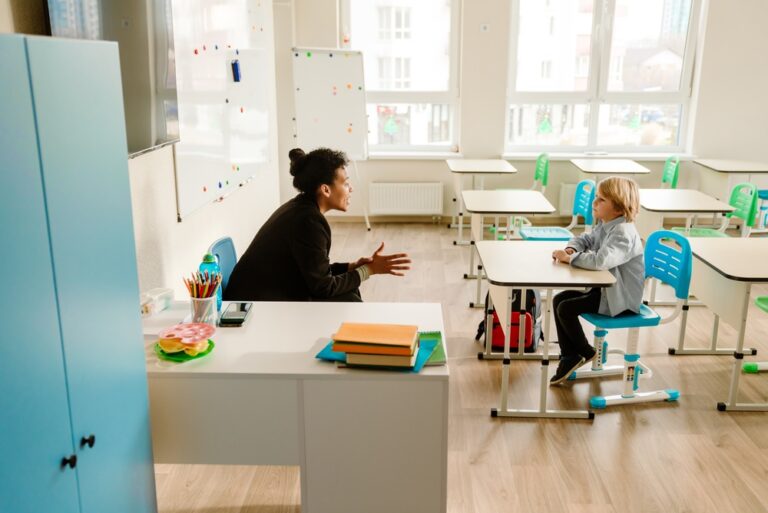
A meaningful apology is more than one sentence. Teaching students about making amends helps them understand that an apology is part of repairing harm, not the end of the process.
Teach students this simple sequence:
Pause → Take Responsibility → Show Understanding → Make Amends → Give It Time → Make a Plan
Students will not use every step perfectly at first. The goal is not a scripted performance. The goal is helping them learn what it means to repair harm.
When a child has yelled, pushed, insulted someone, or damaged something, begin by making sure everyone is safe. Then give the child a chance to calm down.
You might say:
“We are going to talk about what happened. First, take a few minutes to calm your body.”
A pause is not letting a child avoid responsibility. It gives them a better chance of actually thinking. Once the student is calm enough to reflect, ask simple questions:
A child can explain what they were feeling without using those feelings as an excuse for hurting someone.
Students need to be able to name what they did. General statements such as “I was bad” are not helpful, and neither is blaming the other person.
Instead, help the child be specific:
“I yelled at Jordan when I was frustrated.”
“I grabbed the marker from her.”
“I said something unkind about his work.”
This is where “I’m sorry” can fit, but it should not be the only part.
“I’m sorry I yelled at you.”
“I’m sorry I called you that name.”
“I’m sorry I pushed you.”
Specific language shows that the child understands what they are taking responsibility for.
Next, help students think about how the other person may have experienced the situation.
This can be difficult for students who are focused on their own frustration. They may need support to notice facial expressions, body language, or what happened afterward.
Try questions such as:
Students do not need to guess perfectly. The point is to practice considering someone else’s perspective.
“It probably made you feel embarrassed.”
“You might have felt scared when I yelled.”
“I think it hurt your feelings.”
An apology without understanding can sound empty. Students need to learn that their words and actions affect people, even if they did not mean to cause harm.
Making amends means taking a reasonable step to repair what can be repaired. It is not a punishment, and it is not about forcing the other child to feel better right away.
Sometimes the repair is practical. A student may help clean up a mess, return an item, fix what they damaged, or complete a part of a group task they disrupted.
Sometimes the repair is relational:
“Is there anything I can do to help make this better?”
“Would you like me to give you some space?”
“Can I help you fix it?”
The child who was hurt gets to have a voice. They should not be pressured to say, “It’s okay,” accept an apology, hug, or immediately return to playing with the student.
One of the most important lessons for students is that they cannot control another person’s feelings.
A student may make amends and still find that the other child is upset, needs space, or is not ready to forgive. That can be disappointing, but it is part of learning how relationships work.
You can say:
“You did the right thing by taking responsibility. They may still need time to feel okay around you again.”
This protects the child who was hurt while teaching the other child that rebuilding trust may take more than one conversation. Students can continue showing responsibility through patient, kind behavior.
The final step keeps the conversation from becoming only about the past. Help the student think about what they can do differently when they feel upset, left out, frustrated, or angry again.
Ask:
A student’s plan might be:
“Next time I will ask for help.”
“Next time I will take a break before I yell.”
“Next time I will use kind words, even if I am frustrated.”
For some students, writing down the plan or practicing it through a short role-play makes it easier to remember.

Do not wait until a conflict happens to teach apologies. Students learn this skill best when they can think clearly and practice without feeling singled out.
Introduce the steps during a class meeting, small-group lesson, or read-aloud. Then refer back to them when real situations happen. The goal is for students to see making amends as a normal part of being in a classroom community—not something that only happens when they are in trouble.
Instead of telling a student exactly what to say, use questions that help them think:
These questions hold students accountable while still giving them room to think. They also help students move beyond blaming, denying, or giving a quick apology just to end the conversation.
Adults make mistakes too. When appropriate, let students see you take responsibility in a clear and respectful way.
For example:
“I interrupted you before you finished explaining. That was not respectful. I am sorry. Please finish what you were saying.”
Modeling shows students that apologizing is not shameful. It is something responsible people do when they recognize that their choices affected someone else.
When one child has been hurt, it is easy for the conversation to focus only on the child who caused the problem. Make sure the other student also feels heard.
You might say:
“You do not have to talk right now if you are not ready.”
“You can take some space.”
“You get to decide when you feel ready to be around them again.”
The student who caused harm still needs to learn from the situation. But the student who was hurt should not be expected to forgive quickly just so the situation feels resolved for everyone else.
Some students understand the ideas behind an apology but need help organizing their thoughts in the moment. A visual of the six steps, sentence starters, or a planning page can make the skill more concrete.
The support should help students think—not replace their thinking. Over time, fade prompts as students become more independent.
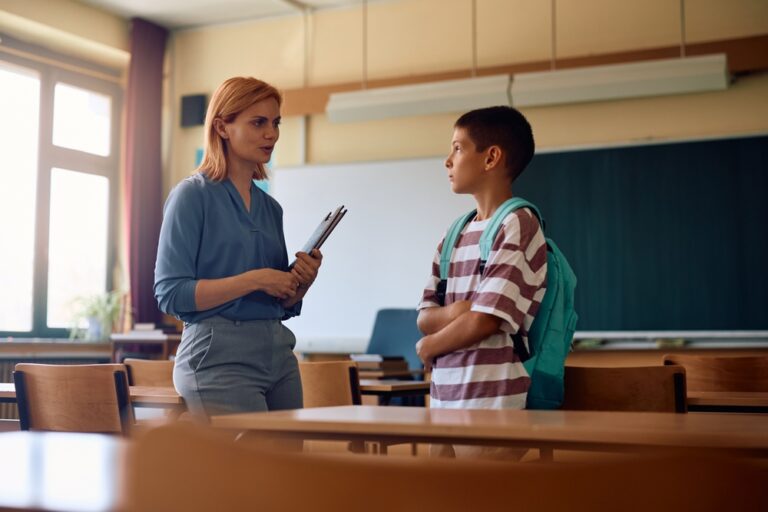
These activities give students a chance to practice making amends before they need to use the skill during a real conflict.
Give students short scenarios and sample responses. Ask them to decide whether each response is a quick attempt to end the problem or a meaningful effort to repair it.
For example:
“Sorry.”
“I’m sorry I knocked over your project. I know you worked hard on it. Can I help you rebuild it?”
Talk about what makes the second response different.
Read a classroom scenario aloud. Then ask students to identify:
Use low-stakes situations first, such as interrupting during a game, leaving someone out, or making an unkind comment.
In pairs or small groups, let students practice the six steps using fictional situations. Remind them that the goal is not to memorize perfect words. The goal is to practice noticing harm, taking responsibility, and making a better plan. You can include a “not ready yet” response so students also practice respecting someone’s need for time or space.
For some students, writing gives them the time and structure they need to reflect before they speak.
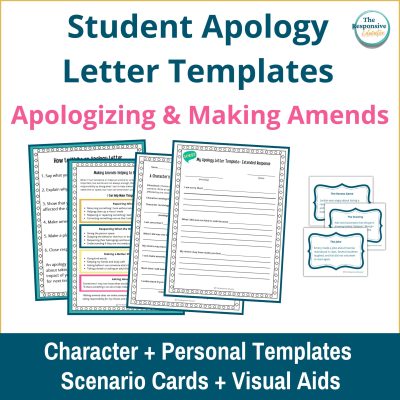
A genuine apology letter can include:
An apology letter should not be assigned as an immediate punishment or used to force forgiveness. It is most useful after the student understands what happened and can reflect honestly.
If you want structured support for this activity, see this Apology Letter Templates for Students resource. The scaffolded templates can help students who need models, sentence supports, or a clear format for organizing their thoughts.
Picture books give students a safe way to talk about mistakes, hurt feelings, and making amends before connecting the ideas to their own behavior.
As you read, pause to ask:
You can find more picture books to teach kids how to apologize.
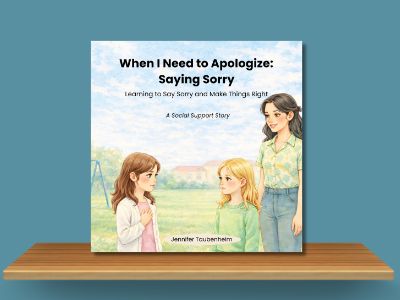
For students who benefit from direct, repeated instruction, take a look at When I Need to Apologize: Saying Sorry. This social support story walks children through recognizing harm, making amends, giving others time, and creating a plan for next time.
Children will make mistakes. The goal is not to make them feel ashamed or to make the problem disappear as quickly as possible.
When we teach students to pause, take responsibility, show understanding, make amends, give others time, and make a better plan, we teach something much more lasting than the word “sorry.” We teach them how to become kind, responsible classmates and friends.


Support your students’ individual needs with our exclusive Classroom Concerns Checklist. Identify patterns in areas like cognitive skills, communication, social/emotional behavior, and more.
Sign up now to receive instant access and valuable insights on addressing classroom concerns.

Support your students’ individual needs with our exclusive Classroom Concerns Checklist.
Identify key concerns in areas like:
…and more to help drive collaboration and problem-solving.
Sign up now to receive instant access and valuable insights on addressing classroom concerns.