Have you ever worked with a student who takes another child’s pencil but becomes upset when someone borrows theirs? Maybe you’ve had a student who interrupts constantly, yet becomes frustrated when someone interrupts them. Perhaps you’ve listened to two students describe the exact same disagreement and wondered if they were even talking about the same situation. Situations like these are common in schools, and they often have something in common: difficulty with perspective taking.
Perspective taking is the ability to understand that other people have thoughts, feelings, experiences, and viewpoints that may be different from our own. It allows us to recognize that the way we see a situation is not necessarily the way someone else sees it. When students develop strong perspective taking skills, they are better able to solve conflicts, build friendships, understand consequences, and work effectively with others.
Many behavior challenges occur because students are viewing situations only through their own perspective. They may understand how a situation affects them but struggle to recognize how their actions affect others. The good news is that perspective taking is not a trait that students either have or do not have. It is a skill that can be taught, practiced, and strengthened over time.
Like any other social-emotional skill, perspective taking develops gradually. Some students acquire it naturally through everyday experiences and relationships. Others benefit from direct instruction, discussion, modeling, and opportunities to practice. As educators, we have countless opportunities to help students move beyond a self-centered view of the world and begin understanding the thoughts, feelings, and experiences of others.
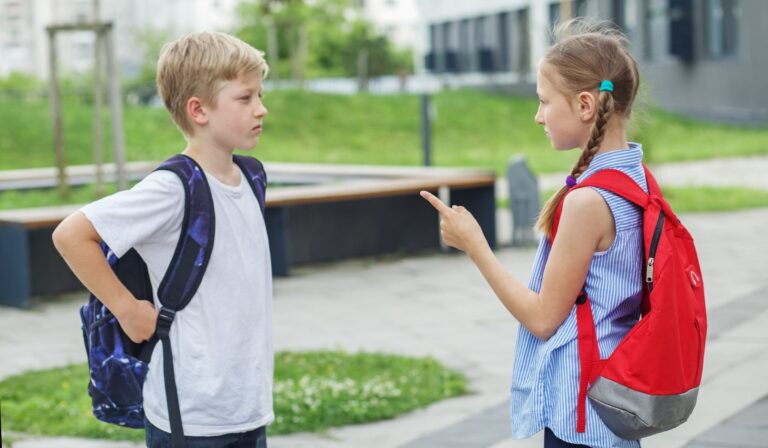
The perspective taking meaning is fairly simple: it is the ability to consider how another person might be thinking, feeling, or experiencing a situation.
Perspective taking goes beyond simply recognizing emotions. It involves understanding that two people can experience the same event very differently. It requires students to recognize that other people’s thoughts, feelings, needs, priorities, and experiences are just as real and important as their own.
For example, imagine a student who excitedly interrupts a classmate several times during a conversation. The student may not be trying to be rude. They may simply be eager to share their thoughts. However, the classmate may experience the interruptions very differently. They may feel ignored, unimportant, or frustrated because they are unable to finish speaking.
Perspective taking helps students recognize both sides of that interaction.
One important thing to understand is that perspective taking is not the same thing as people pleasing. Teaching students to understand others does not mean teaching them to ignore their own needs, opinions, or feelings. Students can understand another person’s perspective and still disagree with them. They can recognize another person’s feelings while maintaining appropriate boundaries. The goal is not agreement. The goal is understanding.
Strong perspective taking skills help students:
In many ways, perspective taking serves as the foundation for successful relationships. Whether students are interacting with classmates, family members, teachers, future coworkers, or future spouses, understanding another person’s perspective helps them navigate those relationships more successfully.
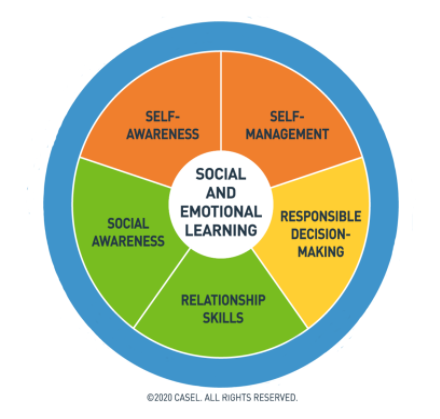
Perspective taking supports several areas of social-emotional learning, particularly Social Awareness, Relationship Skills, and Responsible Decision-Making.
Social awareness involves understanding the feelings, perspectives, and experiences of others. Perspective taking is one of the core skills that helps students develop social awareness because it teaches them to look beyond their own thoughts and feelings and consider what another person may be experiencing. As students strengthen their perspective taking skills, they become better able to recognize emotions, understand different viewpoints, and respond with empathy and understanding.
Strong relationships depend on the ability to understand and respond appropriately to other people’s needs, feelings, and perspectives. Perspective taking helps students build friendships, resolve conflicts, communicate effectively, and work cooperatively with others. When students learn to consider how their actions affect those around them, they are better equipped to maintain healthy relationships both in and out of the classroom.
Perspective taking also supports responsible decision-making. Students who can consider how their choices may affect others are often better able to solve problems, manage conflicts, and make thoughtful decisions. Rather than focusing only on what they want in the moment, they begin considering the broader impact of their actions on classmates, family members, and other people in their lives.
While perspective taking is most closely connected to Social Awareness, it strengthens all three of these CASEL competencies and helps students develop the social understanding needed for success in school, relationships, and adulthood.
To learn more about the CASEL 5 Social-Emotional Competencies, read this blog post. You can also visit their site here.
Perspective taking is not something children automatically know how to do. In fact, young children naturally see the world primarily through their own wants, needs, and experiences.
Developmental theorists such as Jean Piaget recognized that young children often struggle to understand that other people may think differently than they do. This self-focused way of viewing the world is a normal part of development. Over time, most children gradually become better at recognizing that other people have different perspectives, thoughts, and feelings.
This developmental progression is one reason why young children may seem self-centered at times. A preschooler may genuinely struggle to understand why a sibling is upset after having a toy taken away. An elementary student may become angry when they lose a game while failing to recognize how their own behavior affects the experience of others.
These situations do not necessarily indicate a lack of caring. More often, they reflect skills that are still developing. As children mature, they typically become more capable of considering viewpoints beyond their own and understanding how their actions affect others.
While many children develop stronger perspective taking skills through everyday interactions with family members, teachers, friends, and peers, that growth does not happen automatically for every child.
Some students gradually learn to recognize that other people have different thoughts, feelings, and experiences. Others need these skills taught more explicitly rather than simply picking them up “by osmosis.”
This is particularly true for some students with autism, developmental disabilities, language delays, anxiety, social skill deficits, or other challenges that affect social understanding. These students often benefit from direct instruction, modeling, discussion, and repeated opportunities to practice perspective taking in a supportive environment.
Understanding that perspective taking is developmental can help adults respond more effectively when students struggle. Rather than immediately viewing these situations as defiance, selfishness, or a lack of caring, we can recognize them as opportunities for teaching and growth. Like any other complex skill, perspective taking develops through observation, discussion, practice, feedback, and time.
One of the biggest mistakes adults make is assuming that understanding a behavior means excusing it. Recognizing that a student struggles with perspective taking should help us teach more effectively, not lower our expectations. If a student has difficulty reading, we teach reading. If a student struggles with math, we teach math. In the same way, if a student has difficulty understanding other people’s thoughts, feelings, and experiences, we teach perspective taking.
Saying, “They can’t help it,” and leaving it there does not help students in either the short term or the long term. Our goal is not simply to explain behavior. Our goal is to help students develop the skills they need to build healthy relationships, navigate social situations successfully, and function effectively as adults. Understanding why a student is struggling should inform our instruction, not eliminate accountability.
At the same time, accountability should not be confused with shame. Many students are already aware that they are struggling socially, even if they do not always show it. Others become defensive because they feel embarrassed, misunderstood, or rejected. When perspective taking is approached as a skill deficit rather than a character flaw, students are often much more willing to learn. We can acknowledge that a skill is difficult while continuing to teach it, and we can have compassion for where a student is while still helping them move forward.
This balance of support and accountability creates the environment students need in order to grow. Rather than responding with, “You should know better,” we can guide students through the learning process by asking questions such as, “How do you think the other person experienced that situation?” or “What do you think they were feeling?” Those conversations shift the focus away from blame and toward understanding. Over time, that understanding helps students build stronger perspective taking skills and make more thoughtful decisions in their relationships with others.
When educators think about perspective taking, they often think about empathy. While empathy is certainly part of the skill, perspective taking is about much more than simply understanding how someone feels.
Perspective taking influences friendships, conflict resolution, responsibility, communication, teamwork, and problem-solving. It affects how students interact with peers, respond to correction, handle disagreements, and build relationships. In many ways, perspective taking is one of the foundational social skills that supports success both in school and throughout adulthood.
Healthy friendships require give and take. Friends share ideas, listen to one another, compromise, apologize when necessary, and consider how their actions affect the relationship.
Students who struggle with perspective taking often have difficulty recognizing when their behavior is affecting others. They may dominate conversations, interrupt frequently, insist on getting their own way, or struggle to understand why a peer is upset with them.
One student I worked with genuinely wanted friends and enjoyed talking with her classmates. Whenever another student shared a story, however, she immediately responded by telling a story about herself. Her intention was not to be rude. She was actually trying to connect. Unfortunately, her peers began feeling like she didn’t care about their experiences because every conversation quickly became about her.
When we discussed it privately, I explained how her classmates might be interpreting her behavior. We talked about how people often feel valued when others show interest in what they are saying. I suggested that when someone shared a story, she first make a comment about their experience and ask a related question before sharing her own story.
The change was small, but it made a significant difference in her peer relationships.
This is an important example because perspective taking is not always about major conflicts. Sometimes it is about understanding the subtle social behaviors that help people feel heard, valued, and respected.
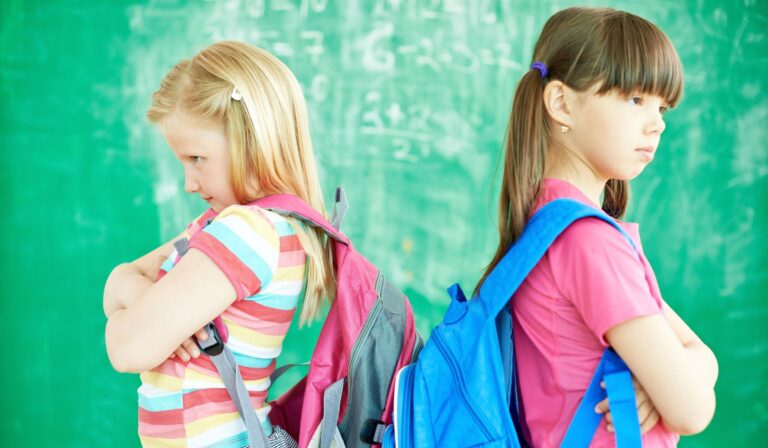
Many student conflicts occur because each child is focused entirely on their own experience. When students are arguing, it is common to hear statements such as:
Often, neither student is intentionally lying. They are simply describing the situation from their own perspective.
Perspective taking helps students recognize that two people can experience the same event differently. It allows them to move beyond proving that they are right and begin understanding what happened from another person’s point of view. This does not mean students must agree with each other. It simply means they learn to recognize that their perspective is not the only perspective.
One of the most common signs of weak perspective taking is difficulty understanding why certain rules, expectations, or consequences exist. Students sometimes view situations only through the lens of how something affects them.
For example:
From their perspective, the situation feels unfair because they are focused primarily on what they want in that moment.
As students develop stronger perspective taking skills, they become better able to recognize how their actions affect other people and why certain expectations exist. They begin to understand that fairness is not always about getting what they want. Sometimes fairness means considering the needs and rights of everyone involved.
One reason I believe perspective taking is so important is because it is not simply a childhood skill. Many adults still struggle with it.
Adults who consistently view situations only through their own wants, needs, and priorities often experience challenges in friendships, workplaces, marriages, parenting relationships, and family relationships. They may struggle to understand why other people are frustrated with them. They may have difficulty accepting feedback. They may become angry when others expect reciprocity, cooperation, or compromise.
Unfortunately, once people reach adulthood, others often stop providing direct feedback. Instead of explaining why a behavior is creating problems, people may simply begin avoiding interactions.
A coworker may stop collaborating.
A friend may stop calling.
A neighbor may stop visiting.
A family member may stop sharing concerns.
Because of this, perspective taking becomes increasingly important as children grow older. When we teach students to understand other people’s perspectives, we are helping them build the relationship skills they will need throughout their lives. Many of the relationship challenges students experience can be traced back to misunderstandings about how their actions affect other people.
One of the most important lessons students can learn is that intent and impact are not always the same thing. Many students believe that if they did not intend to hurt someone, then there should not be a problem. While intentions certainly matter, relationships are often affected by how our actions are experienced by others.
Perspective taking helps students recognize the difference.
For example, a student may interrupt repeatedly because they are excited and eager to contribute to the conversation. Their intent is not to be rude. However, the impact may be that classmates feel ignored or believe their ideas are not important.
A student may roll their eyes because they are frustrated. They may not intend to insult anyone. However, the impact may be that a teacher or peer feels disrespected.
A student may constantly bring conversations back to themselves because they are trying to connect with others. Their intent is friendship. The impact, however, may be that peers feel unheard or believe the student is only interested in talking about themselves. Perspective taking helps students understand both sides of these interactions.
This is an important distinction because many students become defensive when they believe adults are accusing them of bad intentions. When we focus on impact rather than assigning motives, students are often more willing to reflect on their behavior.
One conversation I frequently have with students sounds something like this: “I don’t think you were trying to upset them, but let’s think about how they might have felt.”
That small shift helps students move from defending themselves to considering another person’s perspective.
Many social behaviors carry messages whether we intend them to or not.
For example:
This does not mean these messages are always intentional. However, part of becoming socially successful is learning how our behavior is interpreted by others.
I often explain to students that it is our responsibility to make sure we are communicating what we actually intend to communicate. If people are consistently misunderstanding our actions, then it is worth examining whether our behavior is sending a different message than we realize.

Students who struggle with perspective taking do not always look the same. Some are highly social. Others are quiet and withdrawn. Some are very empathetic in certain situations while struggling to understand perspectives in others.
However, there are some common signs that a student may need additional support developing perspective taking skills.
A student may:
It is important to remember that these behaviors do not automatically mean a child lacks empathy or is intentionally selfish. What this often looks like is a student who has not yet developed strong perspective taking skills. They may genuinely struggle to understand how another person is experiencing a situation. They may need support learning to consider thoughts, feelings, motivations, and experiences outside of their own.
When we recognize these situations as skill deficits rather than character flaws, we are in a much better position to teach the skills students need.

If perspective taking were easy, students would use it all the time. Unfortunately, perspective taking becomes much more difficult when emotions are running high. When people feel angry, embarrassed, anxious, rejected, disappointed, overwhelmed, or threatened, the brain naturally shifts into self-protection mode. This is where we see fight, flight, freeze, and fawn responses.
During these moments, students are often focused on protecting themselves, defending themselves, escaping discomfort, avoiding embarrassment, or simply managing strong emotions. As a result, they have much less mental energy available for considering another person’s perspective. This is one reason students often struggle to understand another person’s point of view during conflicts. Their brains are busy trying to manage their own emotional response.
What this often looks like is a student who insists they are right, becomes defensive, blames others, refuses to listen, or focuses entirely on what happened to them. That does not necessarily mean the student is incapable of perspective taking. More often, it means they are not in a state where they can effectively access the skill. Just because a student cannot consider another perspective in the middle of a highly emotional moment does not mean they cannot learn to do so over time.
One of the biggest mistakes adults make is trying to teach perspective taking in the middle of a crisis. When a student is highly upset, the immediate goal should be helping them regulate and return to a calm state. Once emotions have settled, the real teaching can begin.
This is why proactive instruction is so valuable. Perspective taking can be taught through picture books, classroom discussions, role-playing activities, social scenarios, reflection activities, and problem-solving conversations. These calm learning opportunities allow students to practice perspective taking without the pressure of being personally involved in the situation.
Picture books are especially powerful because students can safely analyze characters’ thoughts, feelings, choices, and motivations without feeling criticized or defensive. They can discuss mistakes, conflicts, misunderstandings, and social situations while remaining emotionally regulated and open to learning. Over time, these conversations help students build the understanding they will later need when real-life conflicts arise.
When students struggle to take another person’s perspective, it can be tempting to respond with statements such as, “You should know better,” “Think about someone besides yourself,” or “How can you not see that?” While those reactions are understandable, they rarely teach the skill we are trying to develop.
In fact, shame often makes perspective taking even harder because students become focused on protecting themselves rather than learning. A student who feels embarrassed, attacked, or misunderstood is much more likely to become defensive than reflective. Instead of considering another person’s viewpoint, they often become preoccupied with justifying their own behavior.
A more effective approach is to treat perspective taking as a skill that develops over time. Rather than assuming a student should already understand, we can guide them through the process by asking questions and encouraging reflection.
Questions such as, “What do you think they were feeling?”, “How might they describe what happened?”, “What do you think they wanted in that situation?”, and “Have you ever felt that way before?” help students build understanding rather than simply feeling criticized. The goal is not to make students feel bad about a mistake. The goal is to help them learn from it.
Perspective taking is not something students learn after a single lesson. Like any complex social skill, it develops gradually through repeated experiences, conversations, mistakes, reflection, and practice. Students will not always get it right, and there will be times when they become defensive, focus only on their side of the story, or need significant support to understand another person’s perspective.
That is part of the learning process. Our goal is not perfection. Our goal is progress. Just as we would not expect a student to master reading, writing, or multiplication after one lesson, we should not expect perspective taking to develop overnight. Social understanding grows over time through consistent teaching, modeling, feedback, and opportunities to practice.
As students gain experience, they become better able to pause, consider another viewpoint, and respond more thoughtfully. When that happens, we are not simply teaching perspective taking skills. We are helping students develop the social understanding they will need to build friendships, resolve conflicts, maintain relationships, and navigate the many social situations they will encounter throughout their lives.
The good news is that perspective taking can be taught. While some students seem to develop this skill naturally through everyday interactions and relationships, many benefit from direct instruction and guided practice. Like most social-emotional skills, perspective taking develops gradually over time rather than appearing all at once.
The most effective perspective taking strategies are often woven into everyday interactions rather than taught as isolated lessons. Every disagreement, misunderstanding, classroom discussion, read-aloud, or problem-solving conversation provides an opportunity to help students consider another point of view. Over time, these small teaching moments help students become more aware of the thoughts, feelings, and experiences of others.
One of the simplest and most powerful ways to teach perspective taking is through questions. Rather than immediately telling students what they should understand, guide them toward the conclusion through discussion. This approach is often more effective because students are actively thinking through the situation rather than simply being told what they did wrong.
Questions might include:
These types of perspective taking questions encourage students to move beyond their own experience and begin considering another person’s viewpoint. Over time, many students begin asking these questions for themselves.
Many students understand perspective taking more easily when they can connect it to their own lives. When students struggle to understand another person’s feelings, it can be helpful to remind them of a time when they experienced something similar.
For example:
These connections help students bridge the gap between their own experiences and the experiences of others. Once students recognize a familiar feeling in themselves, they are often better able to recognize it in someone else.
Students are often told that a behavior is inappropriate without fully understanding why it creates problems. Perspective taking improves when students learn how specific behaviors affect other people and influence relationships.
For example, discuss how:
Many students are surprised to learn that actions they view as harmless may send messages they never intended to communicate. These conversations help students understand that relationships involve give and take. Over time, students become more aware of how their behavior affects the people around them rather than focusing exclusively on their own wants and needs.
Students learn a great deal by listening to adults model perspective taking. One simple way to do this is by thinking aloud during stories, classroom discussions, conflicts, or everyday situations.
For example:
These simple comments model the type of thinking students need to develop themselves. The more often students hear adults considering multiple perspectives, the more likely they are to begin doing it independently.
Perspective taking instruction does not have to be limited to formal lessons. Some of the most meaningful learning opportunities occur naturally throughout the school day. A disagreement during recess, a conflict during group work, a misunderstanding between friends, or even a classroom discussion can provide opportunities to explore different viewpoints.
When these situations arise, avoid immediately deciding who is right and who is wrong. Instead, help students examine what each person may have been thinking, feeling, wanting, or experiencing.
Ask questions such as:
These types of questions help students recognize that situations are often more complex than they first appear. As students gain experience with these discussions, they begin to recognize that multiple perspectives can exist within the same situation.
One reason perspective taking is often difficult for students is because adults sometimes assume children will naturally learn it. While many students do develop stronger perspective taking skills through everyday experiences, others benefit from direct instruction.
Just as we explicitly teach reading, writing, math, and study skills, we can explicitly teach social skills. This might include:
When perspective taking is treated as a skill to be learned rather than a character trait students either have or don’t have, growth becomes much more likely. Students benefit from repeated opportunities to observe the skill, practice it, receive feedback, and try again. Over time, those experiences help build the social understanding needed for stronger relationships, better problem solving, and greater success in school and beyond.
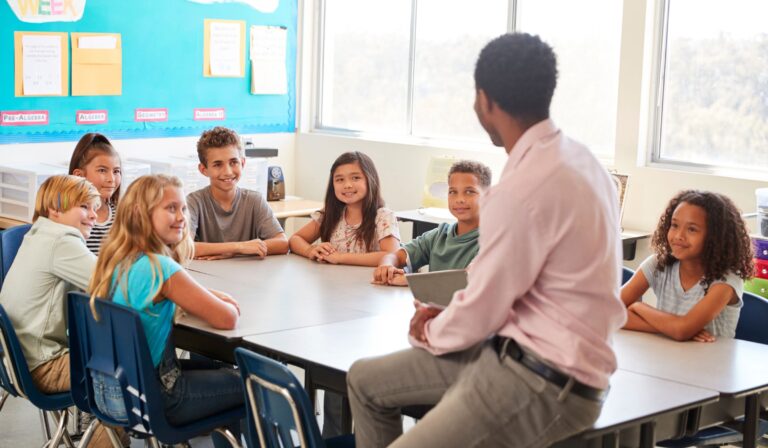
The following perspective taking activities help students practice understanding other people’s thoughts, feelings, experiences, and viewpoints. While these activities can certainly be used during social-emotional learning lessons, they also work well in counseling groups, social skills groups, intervention settings, and everyday classroom discussions. The goal is not simply to have students identify emotions. The goal is to help them recognize that different people can experience the same situation in very different ways.
Picture books are one of my favorite tools for teaching perspective taking because students can examine situations without having a personal stake in them. When students are discussing a character, they are often much more willing to consider different viewpoints than when discussing their own behavior.
Choose a book that includes misunderstandings, conflicts, or multiple perspectives. As you read, pause periodically and ask questions such as:
After reading, discuss how the characters’ perspectives influenced their actions. Students often find it easier to recognize perspective taking in fictional situations before applying the skill to real-life interactions.
Short social scenarios provide a safe way for students to practice considering multiple viewpoints. Because students are not personally involved, they are often more willing to think objectively about what different people may be feeling or experiencing.
For example:
A student spends all afternoon building a tower. Another student accidentally knocks it over while walking past.
Ask:
Encourage students to examine both sides of the situation rather than immediately identifying a hero and a villain. The goal is helping students understand that multiple experiences can exist within the same event.
Real photographs can be excellent tools for developing perspective taking skills because they require students to look closely at facial expressions, body language, and environmental clues.
Show students a photo of people interacting and ask questions such as:
Because there is no single correct answer, students learn to consider possibilities rather than jumping to conclusions. This activity also strengthens observation skills, emotional awareness, and social reasoning.
One of the most powerful perspective taking exercises is having students examine the same event from more than one point of view. Choose a familiar conflict from a book, movie, classroom situation, or social scenario and ask students to tell the story from two different perspectives.
Students might write:
or
Afterward, discuss:
This activity helps students recognize that people often experience the same event differently and that both perspectives can contain important information.
Provide students with pictures showing people interacting and ask them to create thought bubbles for each person in the image. The thought bubbles should answer questions such as:
The discussion afterward is often more important than the activity itself. Students quickly discover that different people can interpret the same image in different ways, leading to valuable conversations about perspective, assumptions, and social understanding.
Perspective taking is often most meaningful when applied to real situations. After students have had time to calm down following a disagreement or conflict, guide them through a structured reflection process.
Questions might include:
This activity helps students apply perspective taking skills to their own lives rather than simply discussing hypothetical situations. It is important to remember that these conversations work best after emotions have settled. Students are much more capable of understanding another person’s perspective when they feel calm, safe, and ready to reflect.
Books provide some of the safest and most effective opportunities for teaching perspective taking. Students can analyze characters, discuss misunderstandings, explore emotions, and examine different viewpoints without feeling personally criticized or becoming defensive.
One of my favorite books for introducing perspective taking is The True Story of the 3 Little Pigs by Jon Scieszka. Most students already know the traditional version of the story, which makes it especially powerful when they hear the wolf’s side of the events. Students quickly realize that the same situation can look very different depending on who is telling the story.
As you read, encourage students to consider questions such as:
These discussions help students recognize that perspective taking is not about deciding who is right or wrong. It is about understanding that people often have different experiences, information, feelings, and viewpoints.
If you’re looking for additional perspective taking books to use in your classroom, be sure to check out my collection of children’s books that help students understand different points of view and develop stronger perspective taking skills. You’ll find several engaging read-alouds that naturally lead to conversations about empathy, social awareness, misunderstandings, and understanding others’ perspectives.
If you purchase books through the Amazon links on this site, I may earn a small commission at no additional cost to you.

One of the biggest mistakes adults make is assuming that perspective taking develops automatically. While many students gradually become better at understanding other people’s thoughts, feelings, and experiences, others need direct instruction, modeling, discussion, and repeated opportunities to practice. When a student struggles to see another person’s point of view, it is often more helpful to view the situation as a skill deficit rather than a behavior problem. Just as we would not expect every student to learn academic skills without instruction, we should not assume that every student will naturally develop strong perspective taking skills without support.
Conflicts can certainly create teachable moments, but perspective taking should not only be taught after something goes wrong. In fact, some of the strongest learning occurs during calm, proactive discussions through books, activities, role-playing, classroom conversations, and reflection exercises.
When students are calm, they are much more capable of considering multiple viewpoints and thinking about how different people experience the same situation. Those discussions help build the understanding students will later need when real conflicts arise.
When students struggle to understand another person’s perspective, it can be tempting to respond with statements such as:
While those reactions are understandable, they rarely build understanding. More often, they cause students to become defensive and focus on protecting themselves rather than learning.
Students are much more likely to grow when they feel safe enough to reflect honestly about their behavior. Approaching perspective taking as a skill that can be learned helps students remain open to feedback while preserving their dignity.
Perspective taking develops gradually over time. Students will make mistakes. They will forget. They will sometimes focus only on their own perspective, especially when emotions are running high. That does not mean the teaching is not working. Social-emotional skills often develop through many small conversations and experiences rather than through one lesson or one intervention.
Growth occurs through consistent instruction, practice, reflection, and feedback over time. The goal is not perfection. The goal is helping students become a little more aware and thoughtful with each new opportunity to practice.
Feelings are certainly an important part of perspective taking, but the skill involves much more than identifying emotions. Students also need to learn how to consider:
Two people can feel the same emotion while experiencing a situation very differently. Perspective taking helps students look beyond surface-level emotions and consider the larger context. The goal is helping students understand the whole picture rather than simply identifying how someone feels.
Perspective taking is one of the most important social skills students can develop. It influences friendships, communication, conflict resolution, responsibility, and relationship success throughout life.
Like many social-emotional skills, perspective taking develops gradually. Young children naturally see the world through their own experiences, and some students need more explicit instruction than others. Our role as educators is not to shame students for where they are. Our role is to help them grow.
Through books, discussions, reflection, perspective taking exercises, and everyday conversations, we can help students learn to consider viewpoints beyond their own. Over time, these small moments add up.
When students learn to understand another person’s perspective, they become better problem-solvers, stronger communicators, and more effective relationship builders. They learn that other people’s thoughts, feelings, needs, and experiences matter too.
That understanding does not just help them succeed in school. It helps prepare them for success in life.
Read-alouds give students a safe way to compare what different characters know, notice, think, and feel. This collection of picture books about perspective and different points of view can help you continue teaching perspective-taking through classroom discussion.


Support your students’ individual needs with our exclusive Classroom Concerns Checklist. Identify patterns in areas like cognitive skills, communication, social/emotional behavior, and more.
Sign up now to receive instant access and valuable insights on addressing classroom concerns.
Support your students’ individual needs with our exclusive Classroom Concerns Checklist.
Identify key concerns in areas like:
…and more to help drive collaboration and problem-solving.
Sign up now to receive instant access and valuable insights on addressing classroom concerns.
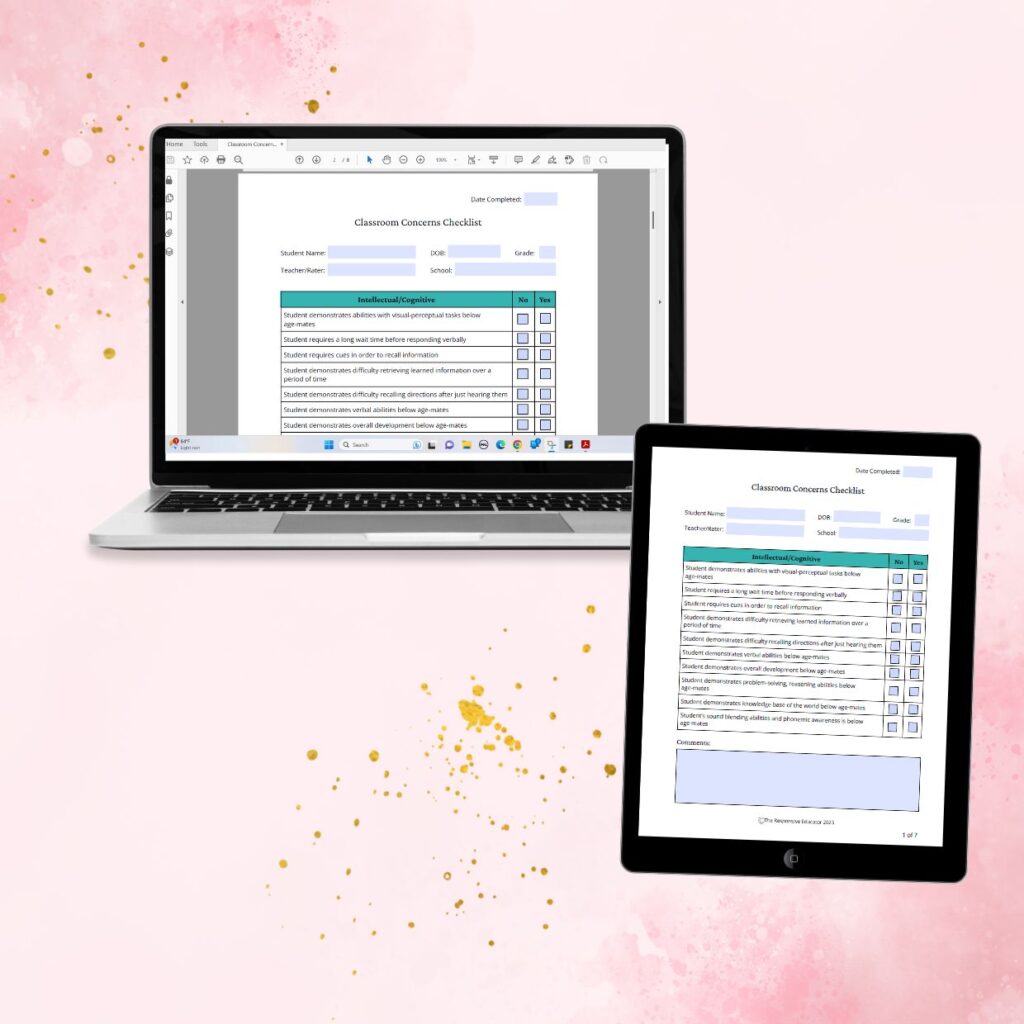
When a student is struggling, it can be difficult to know what information matters or what to look at next. The free Classroom Concerns Checklist can help you organize what you are seeing, identify patterns, and decide what information your team may need.