Students do not usually learn personal space from hearing, “Back up,” “Give her space,” or “Keep your hands to yourself” over and over again.
Those reminders may stop a behavior for a moment. But many students still do not understand how close is too close, what to notice about another person’s body language, or what to do instead when they are excited, curious, worried, or trying to join in.
Teaching children to respect personal space is about more than classroom management. It is a social skill that helps students feel safer and more comfortable while learning, playing, and working near other people.
Over the years, I have worked with students on both ends of the personal-space spectrum.
Some students have a hard time recognizing when they are too close. They may walk into a conversation and stand very close without realizing how it looks. They may hover behind someone who is working, stare over a shoulder at a computer or phone, or touch another person’s belongings before they have really received permission. When playing with younger children, they may become overly physical as they try to direct the game, sometimes pulling, pushing, or playing too roughly.
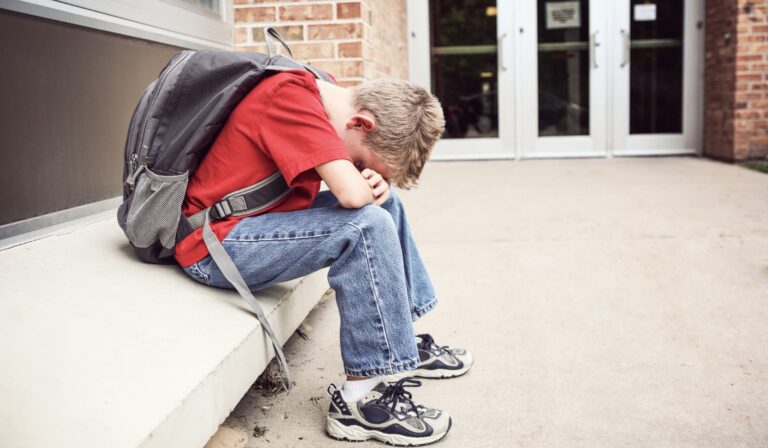
Other students are especially sensitive to people entering their space. I once worked with a student who strongly preferred walking at the end of the line. If he had to walk in the middle, he would sometimes turn sideways and hold his arms out to keep other students at least an arm’s length away. When classmates got too close, he could quickly become overwhelmed, yell, or push.
Both students needed more than reminders. One needed help noticing other people’s boundaries. The other needed safe ways to communicate and protect his own boundaries. Teaching personal space works best when we help students understand both sides.
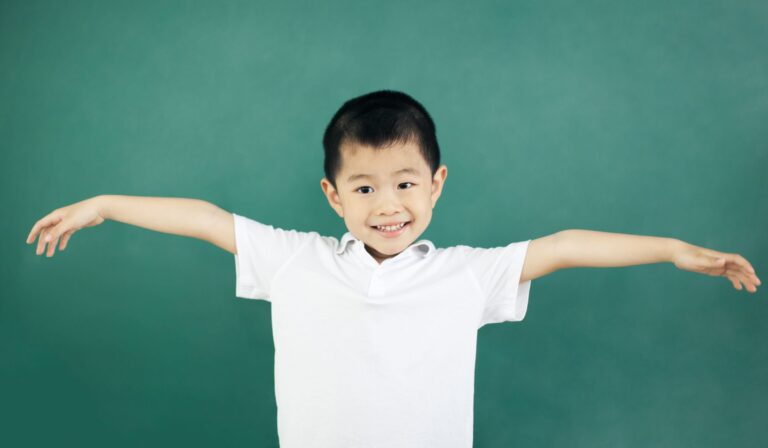
Personal space is the area around a person’s body that helps them feel comfortable and safe. It is often helpful to teach this as an invisible bubble.
Students cannot see someone else’s bubble, but they can learn to notice when they may be getting too close. They can also learn that people have different comfort levels. A distance that feels fine to one student may feel uncomfortable to another. This is an important point for children who say, “But I don’t mind when people stand close to me.” They may not mind it, but someone else might.
You can explain it simply:
“Everyone has a personal-space bubble around their body. We cannot see it, but we can respect it.”
The goal is not to make students afraid of one another or to make every interaction feel formal. The goal is to help them notice, adjust, and give others room to feel calm and comfortable.
A reminder can be useful when a student already understands the skill and simply needs a quick cue. But reminders alone do not teach students how to use personal space independently.
When adults repeatedly say, “Move back,” students may comply without learning to notice:
Students need direct teaching and practice. They need concrete ways to check their body, understand social cues, and make an adjustment before an adult has to step in.
The personal-space bubble is a simple visual that gives students language for an invisible concept. Start by explaining that bubbles are not exactly the same size for every person or situation. Students may be more comfortable standing closer to a close family member than to a classmate. They may need more room when they are upset, focused on work, standing in line, or sitting beside someone they do not know well.
Then teach students how to check their own bubble:
For many students, “arm’s length” is another helpful visual. It does not need to be a rigid rule for every situation. It is simply a concrete starting point when children are learning about distance.
Students often need direct instruction in reading the cues that show someone may be uncomfortable. Talk about what students might notice when a person needs more space:
It is important to explain that students should respect the message even if the other person does not say it perfectly. A classmate should not have to yell or push before their space is respected.
You can use neutral language in the moment:
“Check your bubble. Where is your body right now?”
“I noticed he stepped back. What might that tell you?”
“She moved her computer closer to herself. Give her some room.”
“You wanted to see what she was doing. What could you do instead of standing over her shoulder?”
These prompts teach students what to notice rather than simply telling them what they did wrong.
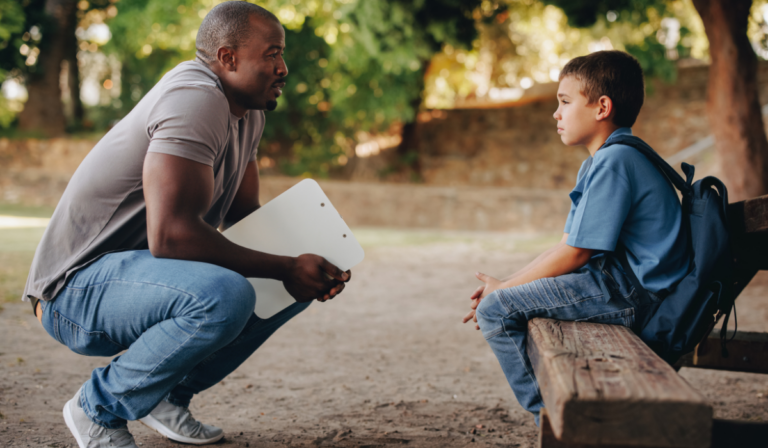
Students are more likely to respect personal space when they know what to do instead. If a child wants to join a conversation, teach them to stand nearby at an appropriate distance and ask, “Can I join you?”
Instead of looking over someone’s shoulder at a phone or computer, they can ask, “Can you show me when you are done?” If they want to touch an item, they can ask first and wait for an answer before reaching for it.
Students who feel crowded also need replacement actions. They can practice saying:
“Please give me some space.”
“I need a little room.”
“Can you take one step back?”
“I am not ready to be that close right now.”
They may also need to move to a safer spot, ask an adult for help, or use a calm-down strategy before they become overwhelmed.
Activities to teach personal space should make the skill concrete without embarrassing students or turning it into a punishment.
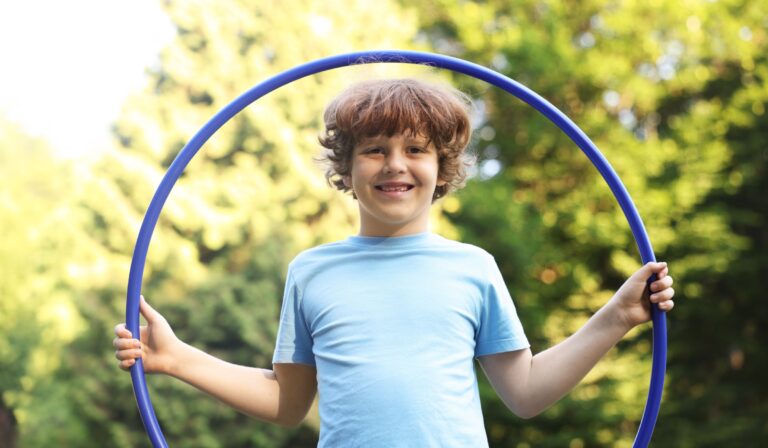
A hula hoop can help students understand the size of a personal-space bubble. Choose an appropriately sized hoop and let students stand inside it as they practice noticing how close other people can come before they enter the bubble.
Students can practice standing, walking, sitting in a circle, or lining up while paying attention to the space around them. You can also use this activity with students who are especially bothered when others get too close. It can help them identify what a comfortable amount of space feels like and practice asking for it appropriately.
The hula hoop should be a temporary teaching tool—not a consequence, label, or public reminder. Do not use it if it will make a student feel singled out or embarrassed.
Teach students a simple routine they can use throughout the day:
Practice the routine with common classroom situations: standing in line, waiting to talk to the teacher, working with a partner, joining a game, and walking past someone’s desk.
Read short scenarios aloud and ask students to decide what the character could do. For example: Sam wants to see what Maya is drawing. He stands right behind her chair and leans over her shoulder.
Ask:
Use situations that include standing too close, touching belongings, crowding in line, rough play, and touching without permission.
Show students pictures from books, role-play brief situations, or use classroom-safe photos that show people leaning away, stepping back, crossing their arms, or looking uncomfortable. Ask students what they notice. Then connect the cue to a possible response:
“He stepped back. I can take a step back too.”
“She moved her materials closer. I can give her more room.”
“They look tense. I can ask if I am too close.”
This activity helps students who need practice connecting body language to social expectations.
Picture books give students a safe way to discuss personal space before connecting the lesson to their own behavior. Students can notice what a character is doing, consider how another person may feel, and talk about better choices without immediately feeling corrected themselves.
As you read, pause and ask:
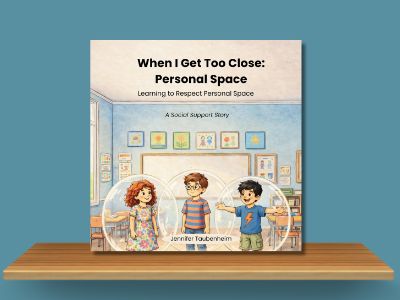
Some picture books introduce personal space through a broader story about characters and boundaries. My social support story, When I Get Too Close: Personal Space, provides more direct instruction. Written in a structured first-person format, it uses the personal-space bubble to help children recognize when they may be too close. It also teaches them to notice facial expressions and body language and gives them concrete actions to try, such as backing up, keeping their hands to themselves, and checking their body when someone looks uncomfortable. A digital audio read-aloud is included for students who benefit from repeated listening and reinforcement.
If you would like other stories that approach the skill in different ways, I have also gathered six picture books that teach personal space. These books can support conversations about boundaries, body awareness, social cues, and respectful interactions.
When students struggle with personal space, it can be frustrating. Adults may have to redirect the same behavior many times in one day. Try to keep reminders brief, calm, and consistent:
“Check your bubble.”
“Take one step back.”
“Hands in your own space.”
“Ask before you touch.”
“She needs some room.”
“Use your words to ask for space.”
Neutral language is especially helpful because it keeps the focus on the skill. Students are more likely to learn when they do not feel publicly corrected or ashamed.
Learning to respect personal space takes practice. Students may need time to notice their own body, understand the cues that other people give, and learn what to do when they want to join in, get attention, or feel overwhelmed. When we teach personal space directly, we give students more than another reminder to “back up.” We give them tools to help others feel safe and calm, protect their own boundaries, and participate more comfortably in the classroom.


Support your students’ individual needs with our exclusive Classroom Concerns Checklist. Identify patterns in areas like cognitive skills, communication, social/emotional behavior, and more.
Sign up now to receive instant access and valuable insights on addressing classroom concerns.
Support your students’ individual needs with our exclusive Classroom Concerns Checklist.
Identify key concerns in areas like:
…and more to help drive collaboration and problem-solving.
Sign up now to receive instant access and valuable insights on addressing classroom concerns.
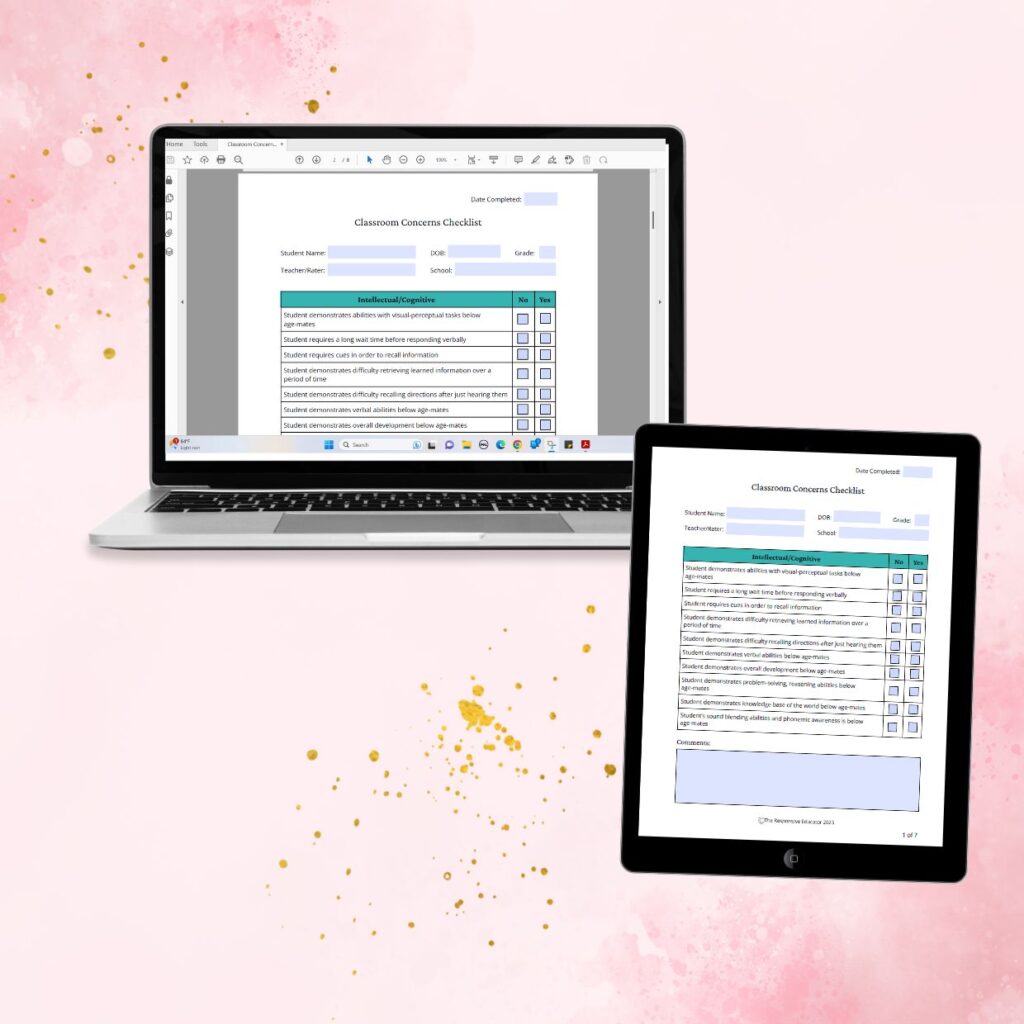
When a student is struggling, it can be difficult to know what information matters or what to look at next. The free Classroom Concerns Checklist can help you organize what you are seeing, identify patterns, and decide what information your team may need.