Impatience shows up everywhere in the classroom, and it does not always look the same from student to student. Sometimes it is obvious, like calling out repeatedly or interrupting because waiting even a short amount of time feels unbearable. Other times, it shows up more subtly—rushing through work just to be done, refusing to attempt something difficult because it “takes too long,” or becoming frustrated the moment corrections are required.
You hear it in the language students use:
For some students, waiting in line for lunch feels too long. Waiting for help feels too long. Waiting for their turn in a game or activity feels too long. Even sitting through a lesson that moves at a steady pace can feel overwhelming when they are used to fast-moving, highly stimulating content outside of school.
It can look like defiance. And sometimes it is. But more often, what you are seeing is something else entirely—students with a very low tolerance for frustration and very little experience with delayed gratification.
Teaching patience is not just about getting students to “wait quietly.” It is about helping children tolerate discomfort, manage frustration, persist through challenges, and develop the ability to work through situations that are not immediately rewarding. These are skills that affect academics, behavior, relationships, and long-term independence both inside and outside the classroom.
(This post may contain affiliate links, which means I may earn a small commission at no additional cost to you if you purchase through those links.)
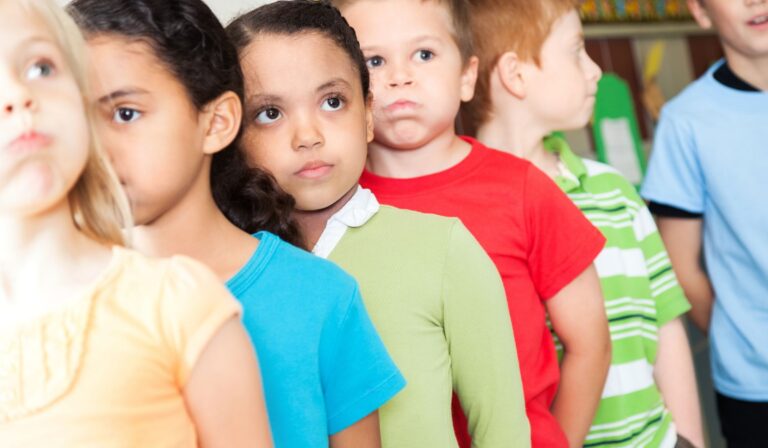
Teaching patience connects most directly to self-management, self-awareness, and relationship skills.
Students use self-management when they persist through difficult tasks, wait appropriately, or manage frustration without shutting down or becoming disruptive. They use self-awareness when they recognize feelings like boredom, frustration, or impatience and begin to understand how those emotions affect their behavior. Relationship skills also play an important role because patience affects turn-taking, listening, cooperation, and respectful interactions with others.
When students learn to tolerate frustration, wait appropriately, and work through discomfort without immediately giving up, they are strengthening skills that support learning, communication, emotional regulation, and long-term independence.
To learn more about the CASEL 5 Social-Emotional Competencies, read this blog post. You can also visit their site here.
Teaching patience helps children develop the ability to tolerate frustration, persist through challenges, and manage situations that do not provide immediate rewards. In the classroom, this affects everything from work completion to peer relationships to emotional regulation.
Students who develop patience are often better able to:
Patience is not simply about compliance or waiting quietly. It is closely connected to frustration tolerance, delayed gratification, and emotional regulation. These are life skills that continue to matter long after students leave the classroom.
When students learn patience, they begin developing the ability to handle setbacks and frustration without immediately giving up. They learn that difficult feelings are manageable and that success does not always happen instantly.
This might look like a student continuing to work through a challenging math problem instead of shutting down after one mistake. It might mean waiting for a turn during a game without arguing or tolerating feedback on an assignment without becoming upset.
Many students today are used to immediate entertainment, immediate answers, and immediate rewards. Because of that, even small delays or frustrations can feel overwhelming. Teaching patience helps students gradually build tolerance for discomfort and understand that effort and persistence often lead to success over time.
These are the same skills adults use when completing difficult work tasks, managing responsibilities, maintaining relationships, and working through challenges that do not have immediate solutions.
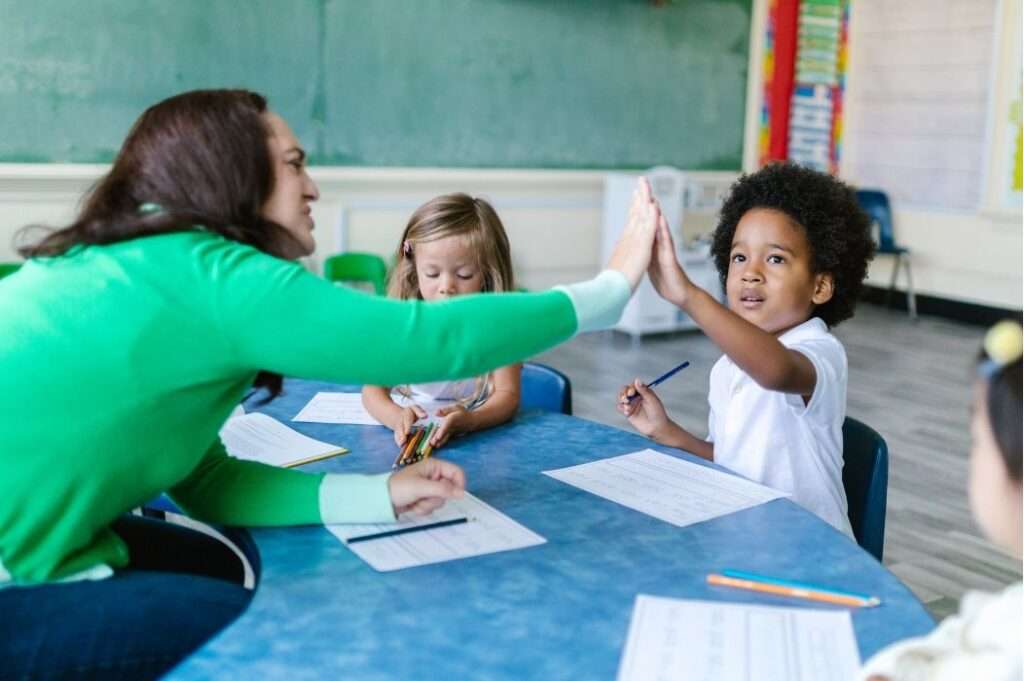
Students who struggle with patience often struggle with frustration tolerance as well. Small inconveniences, delays, or mistakes can quickly lead to emotional reactions because they have not yet developed the ability to sit with uncomfortable feelings.
You may see this when students:
Teaching patience means teaching students that frustration is not an emergency. It is okay to feel bored, disappointed, annoyed, or frustrated sometimes. The goal is not to eliminate those emotions but to help students learn how to handle them appropriately.
As students begin recognizing their emotions and developing coping strategies, they become better able to work through challenges without immediately shutting down or escalating.

Patience affects social interactions constantly throughout the school day. Students use patience when they wait their turn, listen to others, share materials, participate in group work, and handle disagreements respectfully.
Students who struggle with patience may interrupt conversations, dominate activities, become frustrated when others work at a different pace, or react negatively when they do not get what they want immediately.
Teaching patience helps students slow down, listen more carefully, and respond more appropriately during social situations. Over time, this improves communication, cooperation, and peer relationships.
One of the biggest contributors to impatience is dependence. Students who feel like they need immediate adult help for every step often struggle to wait because they do not yet trust their own ability to problem-solve independently. Teaching patience and independence often go together.
When students learn how to:
they become less dependent on immediate adult attention. This reduces the urgency and frustration they feel when they have to wait.
Building independence also helps students develop confidence in their own abilities, which makes persistence easier over time.
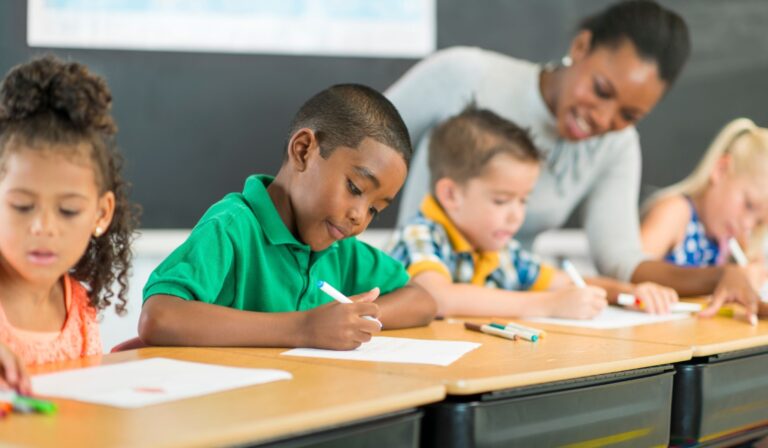
When talking to students about patience, it is important to use language that matches their developmental level. Younger children benefit from short, concrete explanations, while older students may be ready for deeper conversations about frustration tolerance, persistence, and delayed gratification.
For younger students, you might say:
Older students may benefit from conversations about how patience connects to long-term goals, independence, and handling responsibilities in school and life.
Students are much more likely to respond positively when they feel understood. Acknowledging frustration does not mean removing expectations. It simply helps students feel heard while still maintaining boundaries and accountability.
You might say:
Acknowledging feelings helps reduce power struggles because students feel less like they need to prove how upset they are in order to be understood.
Many students do not automatically understand why patience matters. Explicitly explaining the purpose behind waiting, persistence, and frustration tolerance helps the skill feel more meaningful.
For example, students may need help understanding:
Real-life examples help make these ideas more concrete. You might compare patience to practicing a sport, learning an instrument, or improving at a video game. Most students already understand that improvement takes practice in areas they care about.
Students learn a great deal from observing how adults respond to frustration, interruptions, delays, and mistakes.
If adults become visibly impatient, frustrated, or reactive during stressful moments, students are likely to mirror those responses. On the other hand, when adults model calm problem-solving, persistence, and flexibility, students begin to internalize those behaviors over time.
When students make progress with patience, even small improvements should be acknowledged.
For some students, waiting quietly for thirty seconds may represent meaningful progress. Other students may need reinforcement for slowing down, checking work carefully, or attempting to problem-solve independently before asking for help.
Specific praise is often more effective than general praise because it helps students clearly understand what behavior they should continue using.
For example, instead of saying:
you might say:
This type of feedback helps students connect their actions to the skill they are developing, which makes the praise more meaningful and effective over time.
Students need to learn that frustration itself is not the problem. The way they respond to frustration is what matters.
Teaching emotional vocabulary and appropriate communication helps students express their needs more effectively. Instead of yelling, refusing, or shutting down, students can learn phrases like:
Patience develops gradually through repeated practice. Students need opportunities to experience waiting, persistence, and frustration in supported environments.
This might include:
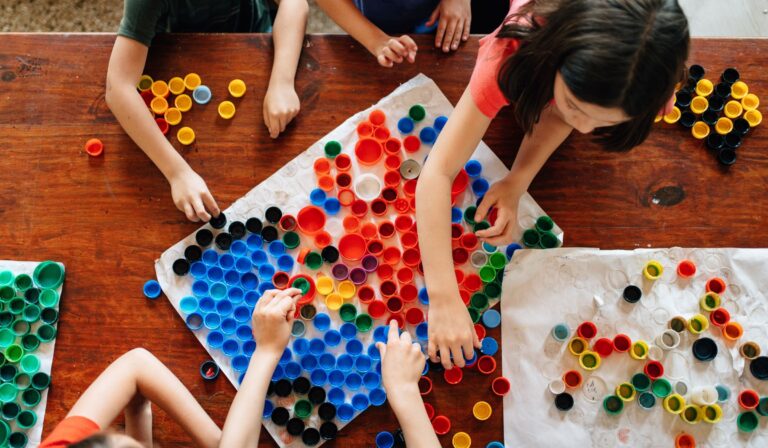
Academic tasks are one of the most common places where impatience appears. Some students rush through assignments because they simply want to be finished as quickly as possible. Others avoid difficult tasks because effort feels uncomfortable. Some students immediately seek adult help because waiting, thinking independently, or working through confusion feels frustrating.
Instead of focusing only on speed or completion, it is important to shift what students value. I consistently emphasize accuracy, effort, persistence, and thoughtful work over simply finishing quickly.
When students rush and make mistakes, I have them go back and correct the work. That may mean fixing incorrect answers, improving work that is too messy to read, adding missing details, or redoing portions that clearly were not completed carefully. We talk openly about whether rushing actually saved time if the assignment now has to be corrected multiple times.
I also stay consistent with expectations. Some students will make minimal corrections and quickly turn the assignment back in, hoping that eventually the adult will simply accept it. I try to avoid lowering expectations just because a student is frustrated or rushing. The expectation remains that the work needs to meet the standard, whether it is being turned in for the first time or the fourth time.
I have also found that early-finisher activities matter more than many people realize. If students who rush are immediately rewarded with highly preferred activities while careful students are still working, it becomes much harder to motivate thoughtful effort. During important academic tasks, I try to make sure that early-finisher options are calm and productive rather than extremely exciting or highly rewarding. Otherwise, students are often tempted to prioritize being finished over doing their best work.
At the same time, I also recognize that students with significant frustration tolerance difficulties may need adjustments to the amount of work while they are still developing these skills. For example, one student may complete fifteen math problems while another student works through five carefully and correctly. One student may write three paragraphs while another writes one well-developed paragraph with support.
The goal is not simply increasing workload. The goal is teaching students to slow down, think through tasks, use available tools, and tolerate the discomfort that sometimes comes with effort and correction.
Being flexible with workload while still maintaining expectations can help reduce the chances that students will become overwhelmed, completely shut down, or refuse to work altogether. Students still need to think, problem-solve, and meet expectations, but the amount of work may need to match their current tolerance level while those skills are being developed.
Asking for help appropriately is another important part of teaching patience and independence. Some students ask for help before they have read directions, attempted the task, or used any available supports because it feels faster and easier to have an adult think for them.
Before stepping in, I often ask:
If a student says they do not understand a math problem, I may ask:
Students need to be able to identify something they have already attempted before expecting an adult to immediately provide the answer. If they cannot explain what they tried or what strategies they used, it often means they are trying to avoid the discomfort of thinking through the problem independently.
Some students become frustrated when adults do not immediately provide the answer and may complain, “You aren’t helping me.” In those moments, I try not to let the student’s sense of urgency rush me into rescuing them too quickly. Instead, I continue guiding them through the thinking process while still providing support and encouragement.
Over time, students begin building the ability to tolerate temporary frustration, think more independently, and persist through academic challenges instead of immediately escaping them through rushing, avoidance, or dependence on adults.

For many students, waiting feels overwhelming because time feels unclear. Five minutes can feel endless when students do not know what to expect. Structure helps make waiting feel more manageable.
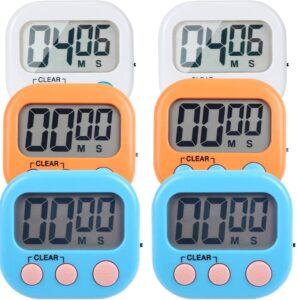
Timers are one of the most effective tools for teaching patience because students can visually see how long something will last. Whether students are waiting for a turn, sharing materials, completing work, or waiting for a preferred activity, visible time frames help reduce anxiety and frustration.
Visual timers are especially helpful for younger students and students with developmental delays because they make abstract concepts like time feel more concrete. Students can physically see the amount of time decreasing, which often reduces anxiety and repeated questions about how much longer they need to wait.
These visual timers work well for:

Digital timers can work well for older students who already understand numbers and time concepts. These are useful for independent work periods, classroom transitions, centers, and timed activities. Some teachers also project timers onto the board so the entire class can easily monitor how much time remains.
Digital timers are often helpful because they:
Sand timers can be especially effective for younger children because they provide a simple and concrete visual representation of waiting.
These sand timers are useful for:
Many students enjoy watching the sand move, which can make short waiting periods feel more manageable.
Some students benefit from more than just a timer. Pairing timers with first/then visuals and/or picture schedules helps students understand both how long they are waiting and what will happen afterward.
For example:
These types of resources can be especially helpful for students with anxiety, autism, ADHD, or significant frustration tolerance difficulties because it reduces uncertainty and increases predictability.
Timers and schedules can help reduce repeated questions like:
Over time, these supports help students build a better understanding of routines, transitions, waiting, and delayed gratification.
Schedules and predictable routines support patience in a similar way. When students know what is coming next, they are often less anxious and less likely to become frustrated while waiting. Predictability helps students feel safer and more in control, which makes patience easier.
These supports do more than simply manage behavior in the moment. They help students gradually build tolerance for waiting, improve time awareness, and develop greater independence throughout the school day.
Patience is built gradually over time. For students with very low frustration tolerance, expectations may need to start small. A student who struggles to persist for ten minutes may first need to practice working for two or three minutes successfully. As tolerance improves, expectations can gradually increase. The goal is to challenge students without overwhelming them to the point of shutdown or escalation.
Picture books can be a powerful way to teach patience because they give students concrete examples of characters working through frustration, waiting, disappointment, and persistence.
Stories help students see that difficult emotions are normal while also modeling healthier ways to respond. Because the situation is happening to a character instead of directly to the student, discussions often feel safer and less personal.
One of the most effective ways to use picture books for social-emotional learning is through interactive read alouds. Unlike simply reading a story straight through, interactive read alouds involve pausing intentionally to discuss character emotions, choices, reactions, body language, and problem-solving. These conversations help students actively connect the story to their own experiences and build a deeper understanding of the skill being taught.
Before reading, discuss situations where students may need patience.
You might ask:
These conversations help students begin making personal connections before the story even starts.
Pause throughout the story to discuss:
Think aloud about what the character may be feeling and what they could do differently. These discussions help students recognize emotions and practice perspective-taking in a safe and supportive way.
After reading, connect the story back to real classroom situations.
You might ask:
Referring back to stories during real classroom moments helps students generalize the skill beyond the read aloud itself. For example, if a student becomes frustrated while waiting for help, you might remind them how a character handled a similar situation in the story.
One picture book I especially like for teaching patience is Waiting Is Not Easy! by Mo Willems. The story follows Gerald as he struggles to wait for a surprise from Piggie, and his frustration grows more dramatic as the waiting continues. Many students immediately relate to Gerald’s reactions because waiting can feel genuinely uncomfortable for children who struggle with frustration tolerance.
What makes this book especially effective is how expressive the characters are. Students can clearly see Gerald’s emotions through his facial expressions and body language, which creates natural opportunities to discuss feelings, impulsive reactions, and self-control. During an interactive read aloud, you can pause and ask students:
This story also works well to refer back to during real classroom situations. If students become frustrated while waiting for help or upset about delays, teachers can remind them of how Gerald reacted and discuss what patience might look like in that moment.
If you are looking for additional books about patience, frustration tolerance, and delayed gratification, you can find more recommendations here.

Drawing and writing activities can help students reflect on situations where patience feels difficult and process the emotions connected to waiting, frustration, or persistence. These activities also create natural opportunities to connect social-emotional learning with writing and communication skills.
For example, students might draw or write about:
After students complete their drawings or writing, discussing their responses as a group can help normalize frustration and build problem-solving skills. Students often benefit from hearing that other children also struggle with waiting, mistakes, or difficult tasks.
These activities can also help teachers identify situations that are especially difficult for individual students, which makes it easier to provide support and teach coping strategies proactively.
Role-playing gives students an opportunity to practice patience in a safe and supportive environment before difficult situations happen naturally in the classroom.
For example, students can practice:
One student might pretend to be frustrated because they have to wait for the teacher, while another practices an appropriate response. Students can also role-play situations involving group work, interruptions, or challenging assignments.
After each role-play, it is helpful to discuss:
Role-playing helps students rehearse appropriate responses ahead of time, which can make it easier for them to use those skills during real moments of frustration.
Movement activities are especially helpful for younger students and students who benefit from active learning because they allow children to physically practice waiting, listening, self-control, and frustration tolerance.
Games like Red Light, Green Light and Simon Says naturally teach students to pause, listen carefully, wait, and control impulsive reactions. Turn-taking games and cooperative group challenges also create opportunities for students to practice patience while interacting with peers.
For example, during a cooperative activity, students may need to:
These moments create natural opportunities to coach students through frustration and reinforce patience in real time.
Movement activities are often especially effective because students are practicing patience while actively engaged, which can feel less stressful than practicing the skill during difficult academic tasks.
Class discussions can help students reflect on why patience feels difficult and identify strategies that help them manage frustration more successfully.
Discussion questions might include:
These conversations help students build emotional awareness while also giving teachers opportunities to model problem-solving and coping strategies.
Discussions are often most effective when they happen during calm moments rather than only after students are already frustrated or dysregulated. Talking about patience proactively helps students think through strategies before they need to use them independently.
Patience is one of those skills that affects nearly everything—academics, emotional regulation, relationships, independence, and long-term success. It is easy to expect students to have patience, but for many children, it has never been explicitly taught or consistently practiced.
When we intentionally teach patience, frustration tolerance, persistence, and delayed gratification, we are helping students build skills that extend far beyond the classroom. We are teaching them how to handle discomfort, work through challenges, wait appropriately, and continue moving forward even when something feels difficult. These are life skills that will continue to matter long after students leave school.
Waiting is easier to teach when students can see what patience looks like in situations they recognize. These children’s books about patience, calmness, and self-control can help you introduce the skill and talk through strategies students can use while they wait.


Support your students’ individual needs with our exclusive Classroom Concerns Checklist. Identify patterns in areas like cognitive skills, communication, social/emotional behavior, and more.
Sign up now to receive instant access and valuable insights on addressing classroom concerns.
Support your students’ individual needs with our exclusive Classroom Concerns Checklist.
Identify key concerns in areas like:
…and more to help drive collaboration and problem-solving.
Sign up now to receive instant access and valuable insights on addressing classroom concerns.
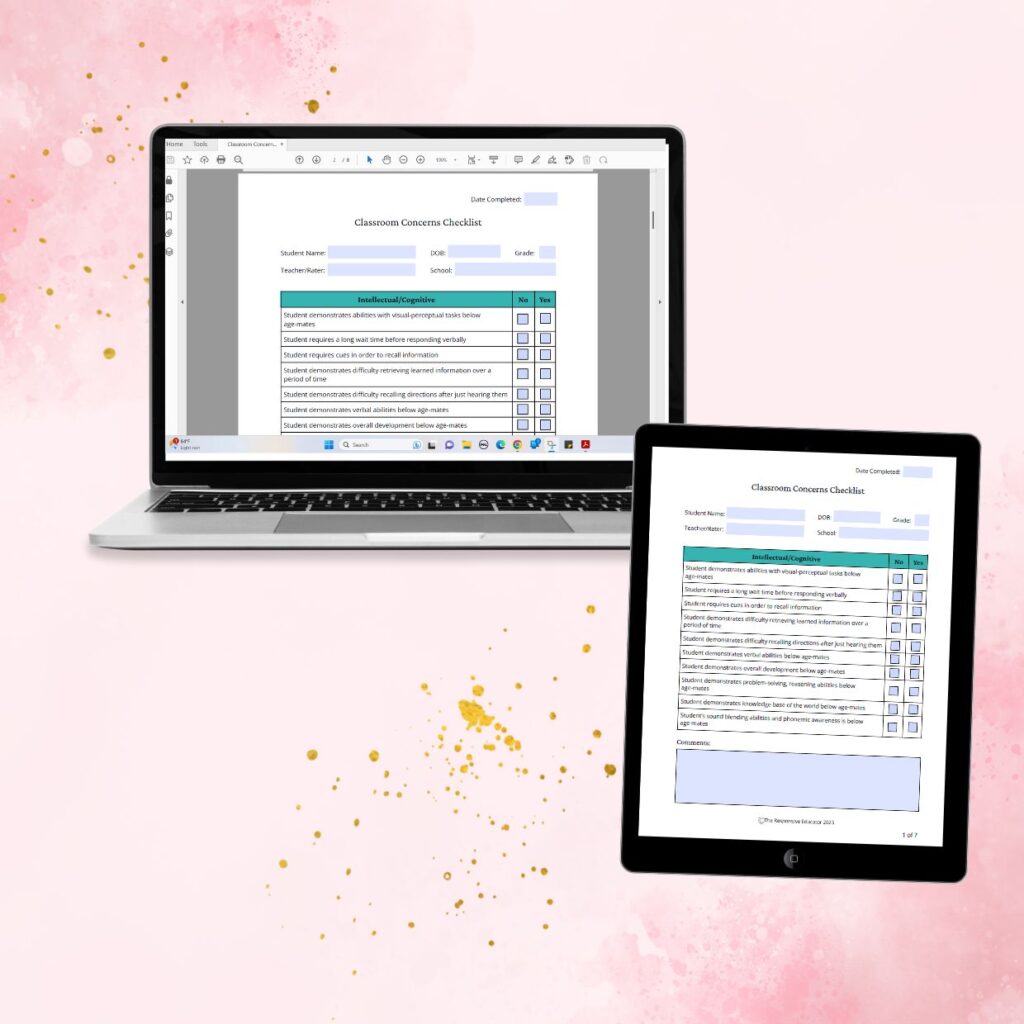
When a student is struggling, it can be difficult to know what information matters or what to look at next. The free Classroom Concerns Checklist can help you organize what you are seeing, identify patterns, and decide what information your team may need.