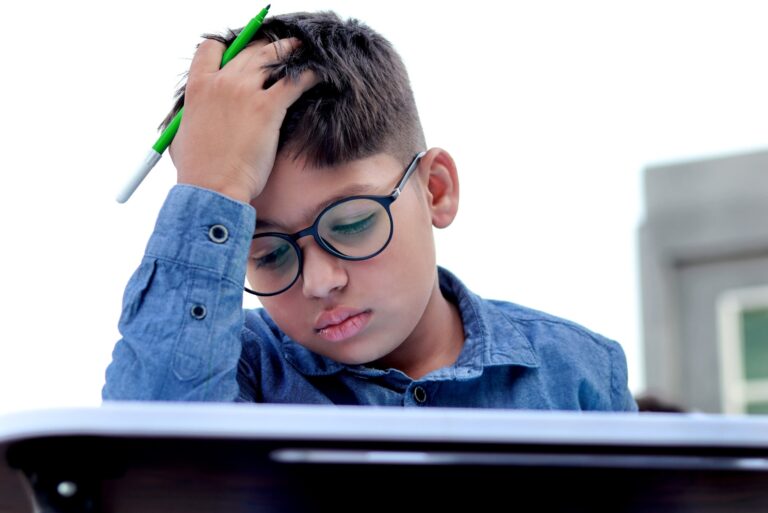
Have you ever worked with a student who seemed to decide that the entire day was ruined after one difficult moment?
Maybe they got one math problem wrong and refused to continue working. Maybe they were corrected by a teacher and spent the rest of the day arguing with everyone. Maybe they had a disagreement with a friend at recess and became convinced that nobody liked them. Maybe a schedule change threw them off, and they struggled to regain their footing for the remainder of the day.
Many students struggle to recover from disappointment, frustration, mistakes, conflict, or unexpected changes. What starts as a difficult moment quickly becomes a difficult hour, and before long, the student believes the entire day has been ruined.
The good news is that resilience and recovery are skills. Like any other skill, they can be taught, practiced, and strengthened over time. Teaching resilience and recovery means helping students recognize that difficult moments are a normal part of life and that they have the ability to move forward after those moments occur.
When teachers think about teaching resilience, they often picture lessons about perseverance, growth mindset, or positive thinking. While those skills are certainly important, resilience also includes the ability to recover after something goes wrong. Students need opportunities to practice both persisting through challenges and bouncing back after disappointment, mistakes, conflicts, and setbacks.
Learning how to recover does not mean pretending problems do not exist. It does not mean ignoring feelings or forcing children to be happy. Instead, it means helping students recognize that one difficult moment does not have to define the rest of their day.

When people hear the phrase “recover from a bad day,” they often picture a child calming down after being upset. While emotional regulation is certainly part of the process, recovery is actually much bigger than that.
Recovery is the ability to experience disappointment, frustration, embarrassment, conflict, correction, or failure and continue moving forward. It is the ability to have a rough moment without allowing that moment to control everything that comes afterward.
In real life, recovery might look like a student getting a math problem wrong, feeling frustrated, asking for help, and trying again. It might look like a child having an argument with a friend at recess but still participating in science when they return to class. It could be a student who receives a correction from a teacher, feels embarrassed for a few minutes, and then returns to work.
Many children have not developed this skill yet.
What teachers often see instead is a student who becomes emotionally stuck. The original problem may have lasted only a few minutes, but the frustration continues for hours. The student continues talking about the situation, refusing work, arguing, withdrawing, or focusing on the problem long after the event itself has ended.
The challenge is not always the original event. Often, the bigger challenge is helping students learn what to do next.
Students who develop strong resilience and recovery skills understand that difficult moments are part of life. They still experience frustration, disappointment, and hurt feelings, but they gradually learn that those experiences do not have to determine how the rest of the day unfolds.
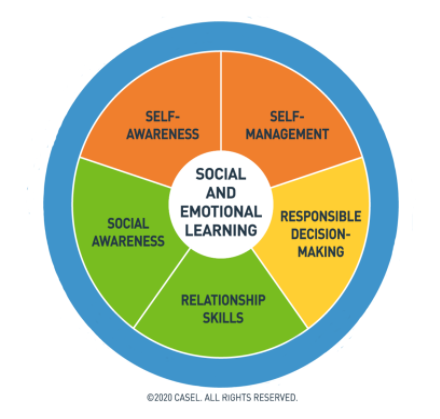
Resilience and recovery connect most closely to self-awareness, self-management, and responsible decision-making.
Self-awareness helps students recognize what they are feeling and understand how those emotions are affecting their thoughts and behavior. Students who can identify that they are feeling embarrassed, frustrated, disappointed, or angry are often better equipped to address those feelings than students who simply feel overwhelmed by them.
Self-management comes into play when students use strategies to regulate those emotions and continue participating in learning. This may involve taking a break, using calming strategies, seeking support, engaging in positive self-talk, or simply giving themselves time to regain control.
Responsible decision-making is often the final piece. Once students recognize their emotions and begin managing them, they still have choices to make. Do they continue arguing, complaining, or shutting down? Or do they decide to rejoin the group, try again, repair a friendship, or move forward with their day?
Teaching resilience and recovery involves helping students strengthen all three of these skills. The more opportunities students have to practice recognizing emotions, managing those emotions, and making productive choices afterward, the more capable they become of handling life’s inevitable setbacks.
To learn more about the CASEL 5 Social-Emotional Competencies, read this blog post. You can also visit their site here.
Teaching resilience is about much more than helping students feel better after a difficult moment. Resilience and recovery influence academic success, friendships, behavior, mental health, and long-term life outcomes.
Academically, students who recover from mistakes are more likely to persist when work becomes challenging. They are more willing to take risks, ask questions, and try again after experiencing difficulty. Students who believe one mistake means failure often stop learning long before they reach their actual potential.
Socially, resilience helps students maintain relationships. Every friendship includes misunderstandings, disagreements, hurt feelings, and disappointments. Children who learn how to recover from those situations are often better able to maintain healthy friendships over time because they do not become stuck in every conflict that occurs.
Behaviorally, recovery prevents small problems from becoming much larger ones. Many significant behavior incidents begin with something relatively minor that continues escalating because the student never regains emotional footing. A small disappointment becomes a power struggle. A correction becomes an argument. A disagreement becomes an all-day conflict.
The importance of resilience extends well beyond childhood. Adults use recovery skills every day. We recover from mistakes at work, disagreements with family members, financial setbacks, disappointing news, unexpected schedule changes, and countless other frustrations.
Many adults struggle with these situations because nobody explicitly taught them how to recover when they were younger. Teaching resilience and recovery now helps students develop skills they will use for the rest of their lives.
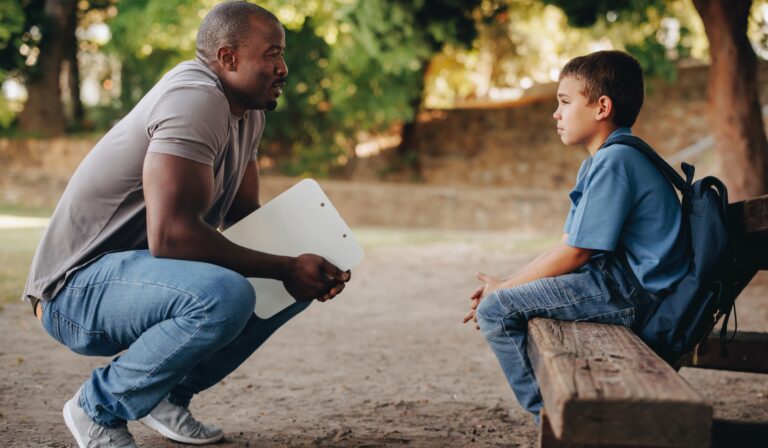
One of the biggest misconceptions about emotional development is the belief that children naturally learn how to recover from setbacks. Some do. Many do not.
Students are not born knowing how to recover from disappointment, handle criticism, move forward after mistakes, or adapt when plans change. These are learned skills that often require direct instruction, modeling, practice, and support. This is especially true for students with anxiety, ADHD, autism, emotional disabilities, trauma histories, perfectionistic thinking patterns, or delays in social-emotional development.
When adults assume students already know how to recover, we sometimes become frustrated when they continue reacting in ways that seem excessive. However, many of these students are not choosing to struggle. They are demonstrating a skill deficit.
This distinction matters because it changes our response. When we view recovery as a skill deficit, we stop asking, “Why won’t this student let it go?” and start asking, “What skill does this student need to learn?”
Just as we teach reading strategies, social skills, and problem-solving skills, we can teach recovery strategies. We can model flexible thinking, practice coping skills, reinforce successful recovery, and help students reflect on what worked. Over time, students begin developing a toolbox of strategies they can use when difficult situations occur. Rather than remaining stuck in frustration, they learn that they have options.
Recovery is not something students simply grow out of. It is something many students need help learning.
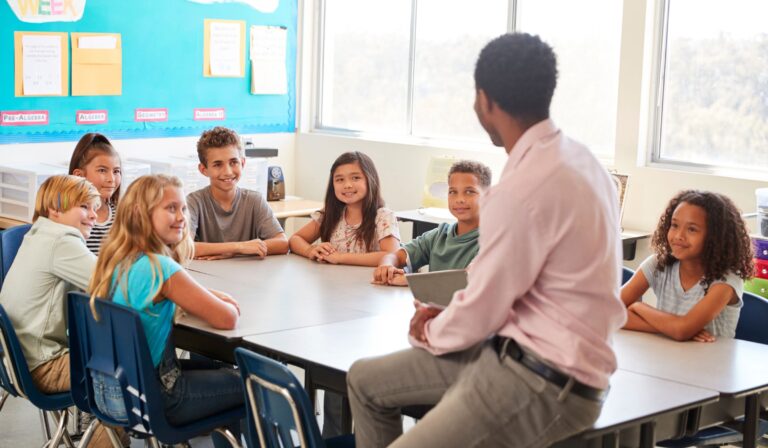
One of the most important things teachers can remember is that students do not all get stuck for the same reason. The behavior may look similar on the surface, but the reasons behind it can be very different.
Some students become stuck because they are perfectionists. A single mistake feels much bigger than it appears to others. Rather than risk being wrong again, they may decide not to continue at all. These students often view mistakes as evidence that they are not capable, successful, or intelligent.
Some students struggle with flexibility. This is particularly common among many students on the autism spectrum, although it can occur in any child. Sometimes the challenge is not even a schedule change that was announced. The student may have developed an expectation in their own mind about how something would happen. When reality does not match that expectation, they may have difficulty adjusting.
Other students are highly sensitive to rejection. A classmate choosing another partner, disagreeing during a game, or forgetting to include them can quickly become evidence that nobody likes them. Once that belief takes hold, they may spend the rest of the day searching for additional proof that they have been rejected.
I have also worked with students whose emotional development lagged significantly behind their peers. One middle school student I worked with loved playing football during recess. Unfortunately, he genuinely believed that because he wanted the football, he should have the football. If another player chose not to pass it to him, he would sometimes sit down in the middle of the field and cry.
Once that happened, the rest of the day often became a cycle of negativity. He would insist that everyone hated him, refuse to cooperate, and remain focused on what he saw as a major injustice.
The issue was not simply behavior. The issue was that he lacked some of the social and emotional skills necessary to understand teamwork, perspective-taking, disappointment, and sharing attention with others.
Some students also learn these patterns from the environments around them. I once worked with a student who constantly wanted to tell me about every negative thing someone had done since the last time I saw her. Small misunderstandings became major offenses. Innocent mistakes became proof that other people were rude, unfair, or incompetent.
After speaking with her parent, many of these patterns began to make sense. The student was learning to view the world through a lens that focused heavily on problems, perceived wrongs, and negative interpretations of other people’s actions.
The key point is that students who get stuck are not all stuck for the same reason. Understanding the reason behind the behavior helps us determine the most effective way to help.

Before trying to change a student’s response, it is important to understand why they are responding the way they are. This is one reason behavior specialists often think like detectives. Instead of asking, “How do I get this student to stop overreacting?” it is often more helpful to ask a different set of questions.
What does the student believe happened?
What meaning are they attaching to the situation?
What skill may be missing?
Do they feel rejected?
Are they afraid of making mistakes?
Do they need reassurance?
Are they struggling with flexibility?
Do they need to feel heard?
Have they learned this pattern from the adults around them?
These questions help us move beyond the behavior itself and focus on the underlying cause. A student who needs reassurance requires a different response than a student who is seeking attention. A student who struggles with flexibility requires a different response than a student who feels embarrassed. A student who needs to feel heard requires a different response than a student who is catastrophizing.
This process often resembles an informal Functional Behavior Assessment. We are not simply looking at what the student is doing. We are trying to understand why they are doing it. Understanding the “why” often reveals the best path forward.
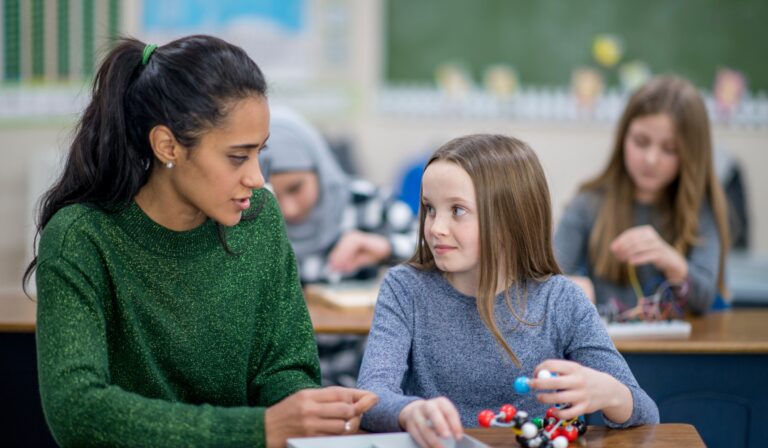
One of the most important lessons I learned over the years is that some students cannot move forward until they feel heard.
When teachers think about helping students recover, our first instinct is often to solve the problem. We explain what happened, offer advice, remind students of expectations, and try to help them see a better way to handle the situation. While those approaches are often useful, they are not always what a student needs first.
Sometimes students need to know that someone genuinely listened.
I worked with a student who struggled with significant anxiety. Whenever he became upset, he would tell his story repeatedly. He would start talking, stop, restart, ask if you were listening, and then begin again. At first, it seemed as though he was refusing to let things go. The more adults tried to redirect him, the more determined he became to continue talking.
Eventually, I discovered part of the reason.
Whenever I observed interactions with his mother, she frequently interrupted him. She would finish his stories for him, tell him he was taking too long, or suggest that nobody wanted to hear what he was saying. Suddenly, his behavior made perfect sense. He wasn’t trying to be difficult. He was trying to make sure someone actually listened.
What helped was surprisingly simple. We stopped what we were doing, gave him our full attention, made eye contact, and used reflective listening. We summarized what he said so he knew we understood.
Once he felt heard, he could move on.
This is an important distinction for teachers. Listening to a student’s perspective does not mean agreeing with everything they say. Students are not always accurate reporters of events. They may misunderstand situations, leave out important details, or interpret events differently than others involved.
However, allowing students to tell their side of the story serves several important purposes. It helps them feel respected. It helps them feel valued. It also provides insight into how they perceive the situation. Understanding their perception often provides the key to understanding their behavior.
After students feel heard, conversations about perspective-taking, problem-solving, and alternative ways of viewing the situation are usually much more productive.
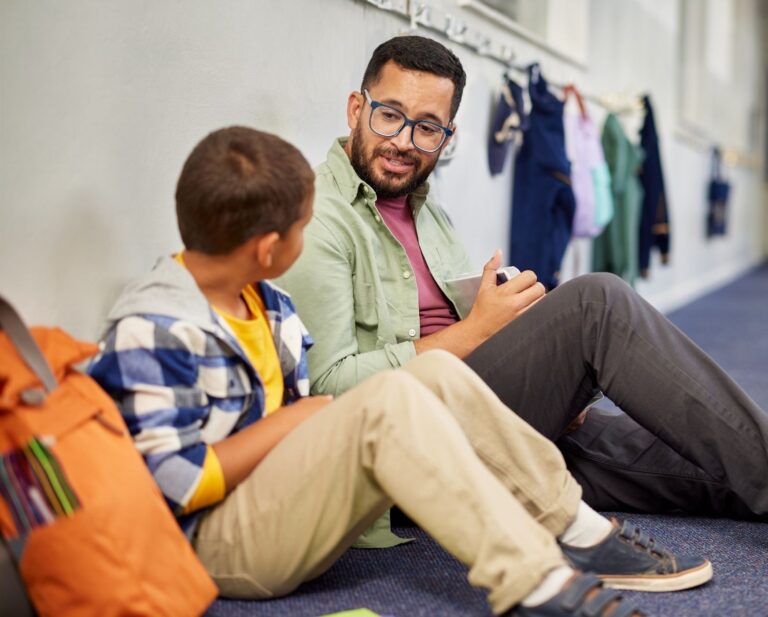
One pattern I noticed repeatedly throughout my career is that some students seem almost invested in staying upset.
At first glance, adults may assume these students simply enjoy complaining or want attention. While attention can certainly play a role in some situations, the explanation is often much more complicated.
Many students believe that if they stop being angry, people will not understand how hurt they were. They worry that if they move on too quickly, others will think the problem was not important. Some students feel that letting go means admitting that what happened was acceptable. Others worry that if they begin acting happy again, nobody will realize how badly they were affected.
As a result, they continue talking about the event, replaying it, revisiting it, and looking for validation. They may reject attempts to solve the problem because proving how wronged they were feels more important than resolving the situation.
These students often need help understanding that moving forward does not mean pretending nothing happened.
We can acknowledge disappointment.
We can recognize hurt feelings.
We can discuss unfair situations.
We can talk about mistakes.
And we can still decide what happens next.
Helping students understand this distinction is often a critical step in teaching resilience and recovery. Recovery is not the same as forgetting. Recovery is deciding that the difficult moment will not continue controlling the rest of the day.
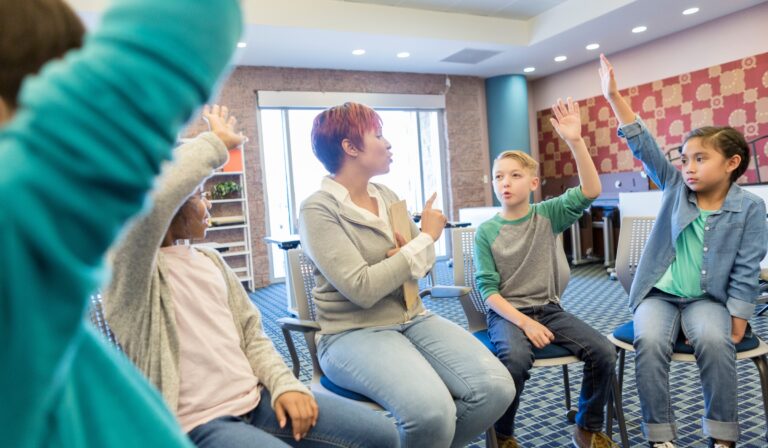
Many students genuinely believe that one mistake, one argument, one correction, or one disappointment ruins everything that follows. Helping students challenge this belief became one of the most important parts of teaching resilience in my classroom.
When students were calm enough to talk, I often focused on helping them separate a bad moment from a bad day. We can have a difficult conversation. We can have a frustrating class period. We can make a mistake. We can get corrected. We can need a break. None of those automatically mean the entire day is ruined.
One question I frequently asked students was, “How do you want the rest of your day to go?” That question shifts attention away from what already happened and toward what happens next.
For older students, I sometimes asked whether they wanted to go home and say they had a rough morning and turned it around or whether they wanted to spend the entire day feeling miserable because of something that happened hours earlier.
The goal was never to dismiss feelings. The goal was to help students recognize that they still had choices. The difficult moment already happened. Nothing can change that. What happens next, however, is still being written.
Helping students understand that they have influence over the next part of the day is often empowering. Many students begin to realize that while they cannot control everything that happens to them, they can influence how they respond moving forward.

One challenge many students face is that they cannot see beyond the current moment. When they are upset, the problem feels enormous. The difficult interaction, correction, disappointment, or conflict becomes the entire day in their mind.
One of the most effective tools I used throughout my career was a daily point-sheet system. While many people think of point sheets primarily as behavior-management tools, I found they were also powerful tools for teaching perspective and recovery.
The day was divided into smaller sections. Rather than viewing the day as one giant experience, students could see each period individually. If a student struggled during one segment, we could look at the sheet together and examine the rest of the day.
Often, students began to realize that one difficult period represented only a small fraction of the overall day. This helped students move away from statements such as, “Today was terrible,” and toward more accurate statements such as, “I had a rough time during reading.” Those are very different conclusions.
The point sheets also created opportunities to celebrate recovery. When students struggled in one period but were successful later, we talked about what helped them recover. We discussed strategies that worked. We reflected on what they did differently. We highlighted their success.
Too often adults spend all of their time discussing mistakes and very little time discussing recovery. The recovery is where much of the learning happens.
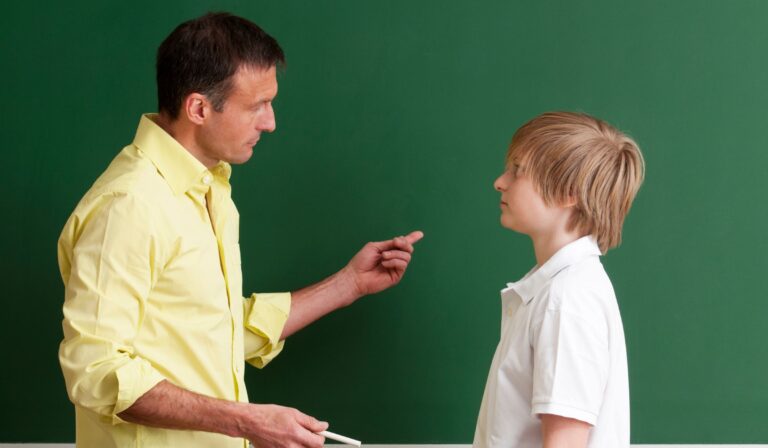
One student who transitioned from my self-contained classroom back to his home school continued using this point-sheet system as part of his support plan.
One afternoon, the principal called because he was refusing to cooperate after recess and wanted advice. She knew he had been successful in my classroom and hoped I could offer suggestions.
I explained that he understood the point-sheet system very well. Rather than focusing on the problem that had already occurred, I suggested reminding him that the next scoring period would begin in about ten minutes. I asked her to encourage him to think about what he wanted the next section of the day to look like.
Then I gave what probably sounded like unusual advice.
Stop talking.
No countdown.
No repeated reminders.
No debate.
No lecture.
The student already understood what happened. He understood the expectations. He understood the choices available to him. What he needed was not more talking. What he needed was time.
The principal and teacher followed the plan exactly. By the time I arrived, he had quietly watched the clock until the next time segment began. When it did, he calmly informed the teacher that he was ready to participate appropriately and rejoined the class.
What struck everyone involved was not that he became upset. Many students become upset. What impressed them was that he had learned how to recover. He no longer viewed one difficult moment as a reason to give up on the rest of the day. He understood that every new time segment provided another opportunity to make a better choice.
The principal was so impressed with how well the strategy worked that she later became one of my strongest advocates. She often referenced the situation when discussing behavior support with other administrators because it highlighted an important lesson: students do not always need more consequences, more lectures, or more talking. Sometimes they need support, perspective, and an opportunity to recover.
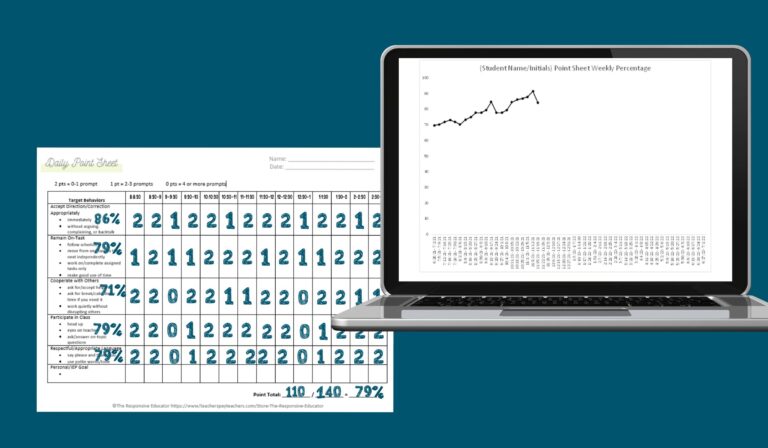
This student’s success wasn’t accidental. The daily goal tracking system he used helped him learn to see difficult moments as one part of the day rather than the entire day.
When most people think about behavior point sheets, they often think about rewards or consequences. While those can certainly be part of the process, one of the biggest benefits I discovered was that the system helped take the emotion out of conversations about behavior for both students and adults.
Many students genuinely believe that one difficult moment ruined the entire day. Parents sometimes hear about a behavior incident and assume the whole day was a disaster. Teachers can occasionally fall into the same trap, especially when a challenging behavior happens during a particularly stressful moment.
By breaking the day into smaller sections, students can literally see how much of the day was successful and how much of the day was difficult. Instead of discussing behavior based on feelings or memory, we can look at actual data and help students gain perspective.
The system also helps adults maintain perspective. Looking at the data often reveals a very different story than emotions alone. A student may have struggled during one twenty-minute period while being successful throughout the rest of the day. Rather than concluding that the student had a terrible day, teachers and parents can see both the challenge and the successes. This creates more balanced conversations and helps prevent one difficult moment from overshadowing everything that went well.
This was especially powerful when working with students who struggled to recover from mistakes or setbacks. A student who earned lower scores during one period could often see that they were successful during many other parts of the day. That shift in perspective helped many students move from “I had a terrible day” to “I had a rough time during one part of my day.”
Another reason I relied so heavily on this system is that it helps identify patterns that might otherwise go unnoticed. When behavior is tracked consistently throughout the day, teachers can often pinpoint specific times, settings, or activities that are associated with increased difficulty. A student may struggle primarily during transitions, first thing in the morning, before lunch, during specials, or during a particular academic subject. Identifying these patterns allows teams to focus interventions where they are most needed rather than relying on guesswork.
The system also aligns naturally with many common IEP behavior goals. Students practice self-reflection, recovery, and goal monitoring while teachers collect meaningful progress-monitoring data.
Over time, I found myself using the same forms repeatedly with students in self-contained classrooms, students transitioning back to less restrictive settings, and students in general education classrooms who needed additional support. Because the system worked so well across settings, I eventually organized the tools into a resource that other educators could use in their own classrooms.
The resource includes the same daily point sheets I used with my students, editable versions that can be customized to individual needs, and an Excel-based tracking system that automatically graphs student performance as scores are entered. For teachers writing IEP progress reports, preparing for team meetings, or monitoring behavior interventions over time, the automatic graphing feature can save significant time while providing clear visual data for decision-making.
Most importantly, the system helps keep the focus on growth, recovery, reflection, and progress rather than simply documenting mistakes.
This is the same Daily Goal Tracking System I used with the student in the example above. This system helps students see growth over time while helping teachers identify patterns, monitor progress, and support IEP reporting.
If you’d like to see how it works or determine whether it might be a good fit for your students, you can learn More About the Daily Goal Tracking System here.
Helping students recover is not only about teaching children. Sometimes adults need to learn new habits as well.
I have worked with students who believed one mistake ruined the entire day because previous adults treated it that way. A student might make a poor choice at nine o’clock in the morning and still be hearing about it hours later.
Eventually, some students begin to think, “If everyone is still mad at me, why bother trying?”
When students receive the message that one mistake defines them for the rest of the day, recovery becomes much more difficult. This does not mean ignoring behavior or avoiding accountability. Students absolutely need correction, consequences, opportunities to repair mistakes, and support for making better choices.
However, they also need to know that improvement is possible.
One thing I consistently tried to do was communicate both concerns and successes to families. Parents needed to know about significant behavioral incidents, particularly safety concerns. At the same time, they also deserved to hear when students recovered, demonstrated self-control, made better choices, or turned their day around.
Students benefit when adults recognize growth, not just mistakes.
Adults also need to recognize when enough has been said. Sometimes teachers continue talking long after a student understands the expectation. In those situations, students may become frustrated not because they disagree with the correction, but because they feel embarrassed, lectured, or treated as though they are incapable of understanding.
Ironically, some students begin having a second problem because of how the correction is delivered. The original issue may be over, but now they feel frustrated because they believe the adult is not letting them move on.
There are certainly times when discussion is necessary. There are also times when the most effective response is to provide space, allow emotions to settle, and revisit the conversation later if needed.
Sometimes silence is more productive than another lecture.

Teaching resilience and recovery is most effective when students have opportunities to practice these skills during calm moments rather than only discussing them during difficult situations. Just as we would not wait until a child is in the middle of a reading test to teach phonics, we should not wait until a student is emotionally overwhelmed to teach recovery skills. Students benefit from learning about resilience before they need it.
The following activities help students recognize setbacks, reflect on how they respond, and develop strategies for moving forward after difficult moments.
Students are often much better at recognizing resilience in others than they are at recognizing it in themselves. One simple way to teach recovery is by helping students identify examples of resilience in stories, movies, and classroom situations.
After reading a book or watching a short video clip, ask questions such as:
These discussions help students recognize that resilience is not about avoiding difficulties. It is about learning how to move forward after difficulties occur.
Many students focus heavily on mistakes, disappointments, and failures while overlooking times they successfully recovered from those situations. Ask students to think about a time they felt frustrated, embarrassed, disappointed, angry, or upset and then reflect on how they eventually moved forward.
Questions such as these can guide the discussion:
These reflections help students recognize strategies they already use successfully and begin building a personal toolbox of recovery skills.
Role-playing helps students practice recovery skills before they need them in real situations. Present students with realistic scenarios involving disappointment, mistakes, conflicts, or unexpected changes. Rather than focusing only on the problem itself, focus on what happens afterward.
Possible scenarios include:
After each scenario, discuss multiple possible responses and help students evaluate which responses are most likely to help them recover and move forward successfully.
One of the most powerful resilience-building activities requires very little preparation.
Make a habit of noticing and reinforcing recovery when it happens.
Teachers are often very good at identifying mistakes, discussing behavior incidents, and providing corrective feedback. Sometimes we unintentionally overlook the moments when students successfully recover from those situations.
Notice when students:
When students hear adults acknowledge their recovery efforts, they begin viewing resilience as a skill they are capable of developing. Those moments deserve recognition because they represent the exact behaviors we are trying to teach.
Picture books provide powerful opportunities to discuss resilience and recovery in a safe and relatable way. Students can observe characters facing challenges, making mistakes, experiencing disappointment, and learning how to move forward without the emotional intensity that often accompanies their own situations.
One particularly useful choice is Zach Gets Frustrated. Rather than simply showing a child having a difficult day, the story introduces specific strategies for recognizing emotions, calming down, and reframing situations. The “Name It, Tame It, Reframe It” framework gives students a concrete process for handling frustration and recovering when things do not go as planned.
If you purchase books through the Amazon links on this site, I may earn a small commission at no additional cost to you.
If you’re looking for additional books that help children develop resilience, handle disappointment, recover from setbacks, and move forward after difficult moments, be sure to check out my post featuring resilience books for kids. You’ll find a variety of picture books that can help extend conversations about perseverance, emotional regulation, flexibility, and recovery.
Read: 6 Uplifting Bad Day Books That Teach Resilience and Recovery

Every child will experience difficult moments. Every child will make mistakes. Every child will encounter disappointment, frustration, conflict, embarrassment, and setbacks. The goal is not to eliminate those experiences. The goal is to help students learn how to respond to them.
Teaching resilience and recovery means helping students understand that difficult moments are a normal part of life. It means teaching them that one mistake does not erase an entire day of success. It means helping them recognize that disappointment, frustration, and conflict are temporary experiences rather than permanent conditions.
Most importantly, it means helping students understand that they always have another opportunity to make a choice.
Sometimes students will recover quickly. Sometimes they will need support. Sometimes they will need perspective. Sometimes they will need time. And sometimes, despite everyone’s best efforts, the entire day may feel difficult.
That happens. When it does, there is another important lesson we can teach. Tomorrow is a new day. A bad moment does not define a day. A bad day does not define a child. Every new day provides another opportunity to practice resilience, strengthen recovery skills, make different choices, and try again.
Over time, those opportunities add up. Students begin to see themselves as capable of handling challenges rather than being controlled by them. They learn that setbacks are not the end of the story. They learn that mistakes can be corrected, relationships can be repaired, and difficult moments can be overcome.
That understanding may be one of the most valuable gifts we can give them because resilience and recovery are not just school skills. They are life skills that students will continue using long after they leave our classrooms.
Students benefit from seeing characters experience disappointment, make mistakes, and recover when something does not go as planned. These books about resilience can help you begin conversations about coping, problem-solving, and trying again.
If you’re working with students who struggle to move on after mistakes, conflicts, disappointments, or behavior incidents, my Daily Goal Tracking System can help students see that one difficult moment doesn’t have to define the entire day.
The system includes printable and editable point sheets, automatic graphing tools, and progress-monitoring resources that make it easier to support student reflection, track behavior goals, and document growth over time. Learn More About the Daily Goal Tracking System


Support your students’ individual needs with our exclusive Classroom Concerns Checklist. Identify patterns in areas like cognitive skills, communication, social/emotional behavior, and more.
Sign up now to receive instant access and valuable insights on addressing classroom concerns.

Support your students’ individual needs with our exclusive Classroom Concerns Checklist.
Identify key concerns in areas like:
…and more to help drive collaboration and problem-solving.
Sign up now to receive instant access and valuable insights on addressing classroom concerns.

When a student is struggling, it can be difficult to know what information matters or what to look at next. The free Classroom Concerns Checklist can help you organize what you are seeing, identify patterns, and decide what information your team may need.