

Description
These off-task behavior reflection sheets help students examine work habits and choices that interfere with attention, participation, and completing classroom tasks. The resource includes seven targeted behavior think sheets addressing distractions, device use, unrelated conversations, repeated questions, daydreaming, premature help-seeking, and spending too much time organizing.
“Off task” describes what an adult sees, but it does not explain why the student is disengaged. A student may be distracted, confused, overwhelmed, avoiding difficult work, seeking interaction, unsure how to begin, or lacking a strategy for maintaining attention.
I designed these sheets to help students look more closely at what happened and identify a practical next step. The goal is not simply to tell students to focus. It is to help them recognize the situation, understand its effect, and determine what might help them participate more successfully.
Targeted Reflection for Off-Task Behavior
A generic reminder to “get back to work” may redirect a student temporarily without teaching the student how to notice and manage the problem independently.
Each student behavior reflection sheet focuses on one specific concern. Students are guided to consider:
- What happened
- Why it happened
- Who was affected
- Why the behavior mattered
- What they could do instead
- How they might respond in a related situation
- What their plan is for next time
This provides a more meaningful alternative to assigning a behavior essay to copy or asking a student to promise to stay focused without identifying what made focus difficult.
What’s Included in the Off-Task Behavior Reflection Sheets
This resource includes seven targeted think sheets:
- Playing With Objects Instead of Working
- Using a Phone or Other Device Without Permission
- Daydreaming or Not Paying Attention
- Repeatedly Asking Unrelated Questions
- Talking to a Friend During Class
- Asking for Help Before Trying to Do the Work Independently
- Spending Too Much Time Organizing Supplies
Each topic includes a two-page guided reflection process.
Two-Page Behavior Think Sheet Format
The first page helps students examine the incident by identifying what happened, why it happened, who was affected, and why the behavior created a concern.
The second page shifts from reflection to problem-solving. Students identify what they can do instead, respond to a related scenario, and create a plan for handling a similar task more successfully.
Space is also included for:
- Scenario-based practice
- Student reflection and planning
- Teacher comments
- An optional parent or guardian signature
The targeted format helps students identify a specific strategy rather than writing a broad response such as “I will pay attention next time.”
Skills Students Practice
These behavior reflection worksheets can help students practice:
- Recognizing when attention has shifted away from a task
- Identifying common distractions
- Beginning work more independently
- Using devices appropriately
- Managing conversations during work time
- Asking relevant questions
- Requesting help appropriately
- Attempting a reasonable first step
- Organizing materials efficiently
- Understanding how off-task behavior affects work completion
- Creating a practical plan for returning to work
The goal is not to prevent students from asking for help. Students should ask when they need clarification or support. The reflection process can help them distinguish between needing assistance and immediately depending on an adult before attempting an appropriate first step.
Ways to Use These Behavior Reflection Sheets
Use the sheets during:
- Individual behavior reflection
- Work-habit conferences
- Restorative conversations
- Classroom problem-solving
- SEL or executive-functioning instruction
- Behavior intervention planning
- MTSS or student-support meetings
- Parent-teacher conferences
- Home-school communication
- Reentry conversations after an incident
- Informal documentation of recurring attention or work patterns
Completed sheets may help teachers notice whether off-task behavior occurs during particular subjects, lengthy assignments, independent work, unstructured time, or tasks requiring unfamiliar skills.
Identify What the Student Needs to Stay Engaged
A student who appears off task may not need a stronger consequence. The student may need clearer directions, a shorter task, reduced distractions, movement, help beginning, or instruction in monitoring attention.
Depending on the pattern, useful supports might include:
- Breaking work into smaller sections
- Providing a clear starting step
- Using a visual checklist or timer
- Removing unnecessary distractions
- Scheduling brief movement or regulation breaks
- Teaching an appropriate way to request help
- Checking for understanding before independent work
- Giving feedback at shorter intervals
- Reinforcing engagement and task completion
- Teaching students how to notice and redirect their own attention
Reflection should lead to instruction and problem-solving. These sheets are not a replacement for accommodations, executive-functioning support, environmental changes, or a functional behavior assessment when one is needed.
Students should complete the reflection after they are calm and able to think clearly. Some students can work independently, while others may need an adult to clarify the prompts and help develop a realistic plan.
Build More Independent On-Task Behavior
Students develop stronger work habits when they can recognize what pulled them away from a task and choose a strategy that helps them return. That skill supports independence more effectively than relying entirely on adult reminders.
These off-task behavior reflection sheets and behavior think sheets give students a structured way to examine distractions, understand their effect, and plan how they will reengage during future classroom work.
Need Think Sheets for Other Student Behaviors?
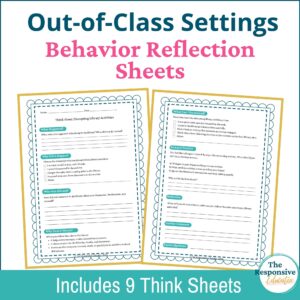
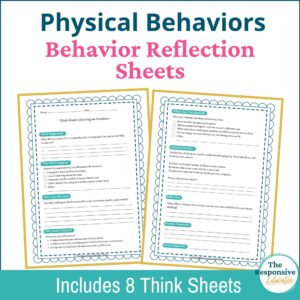
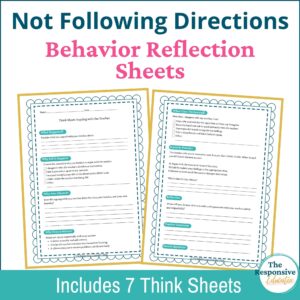
This individual think sheet is also included in the Student Behavior Reflection Sheets and Think Sheets Bundle. The complete bundle includes more than 85 behavior-specific reflection tools covering classroom disruptions, following directions, off-task behavior, emotional regulation, peer conflicts, honesty, rules and boundaries, physical behavior, transitions, self-monitoring, and behavior in out-of-class settings.
Choose the complete bundle if you need a coordinated collection of targeted think sheets for a wide range of classroom behavior concerns.
Reviews
There are no reviews yet.